
San Francisco, CA
San Francisco Garage Door Pros
Garage Door Repair Built Around San Francisco's Housing Stock
Garage door repair for San Francisco homes built mostly 1938-1988. We know the original hardware on doors from that era and what actually needs replacing.
- Licensed & Insured
- Same-Area Service Calls
- Upfront Pricing
How We Can Help
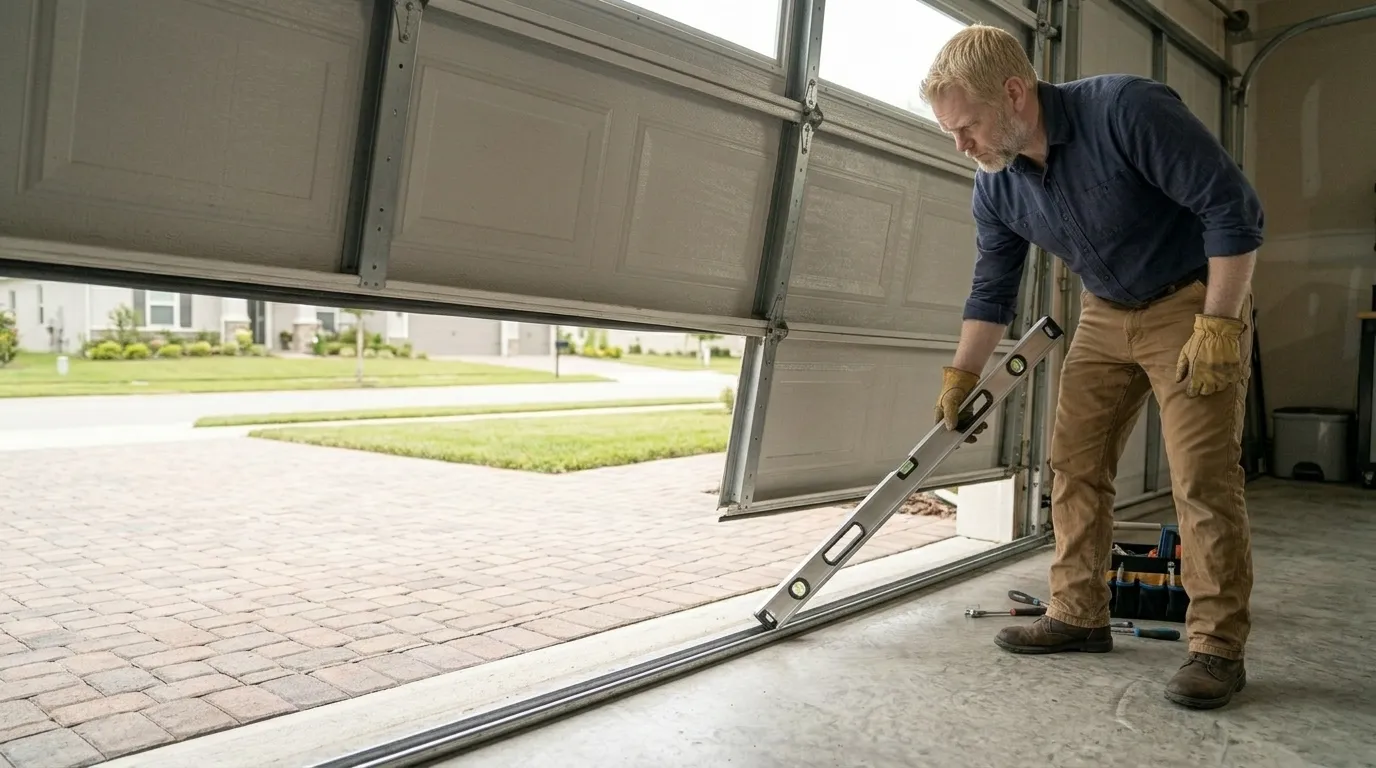
Garage Door Spring Repair
Broken torsion and extension springs replaced and the door rebalanced in the same visit.
Learn more →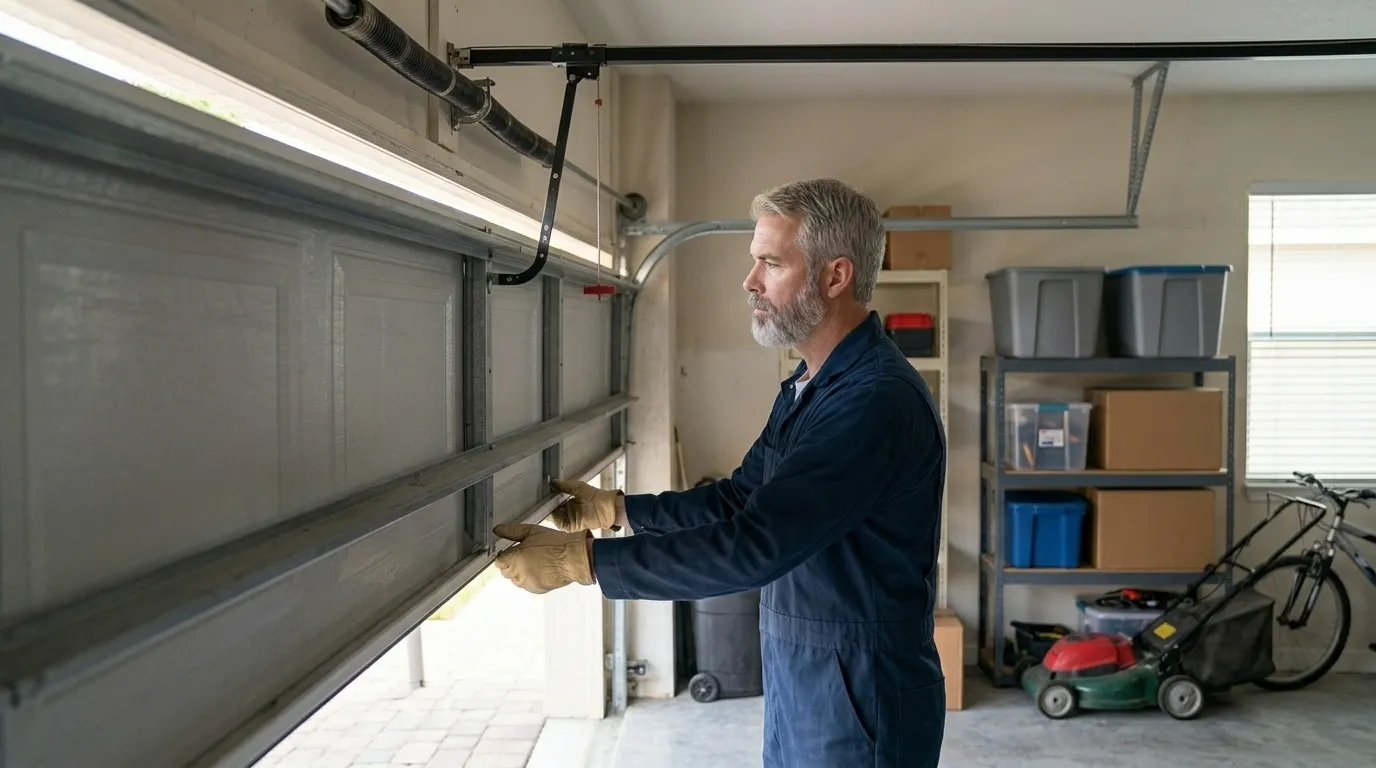
Garage Door Panel Replacement
Dented or cracked panels swapped without replacing the whole door where the frame is sound.
Learn more →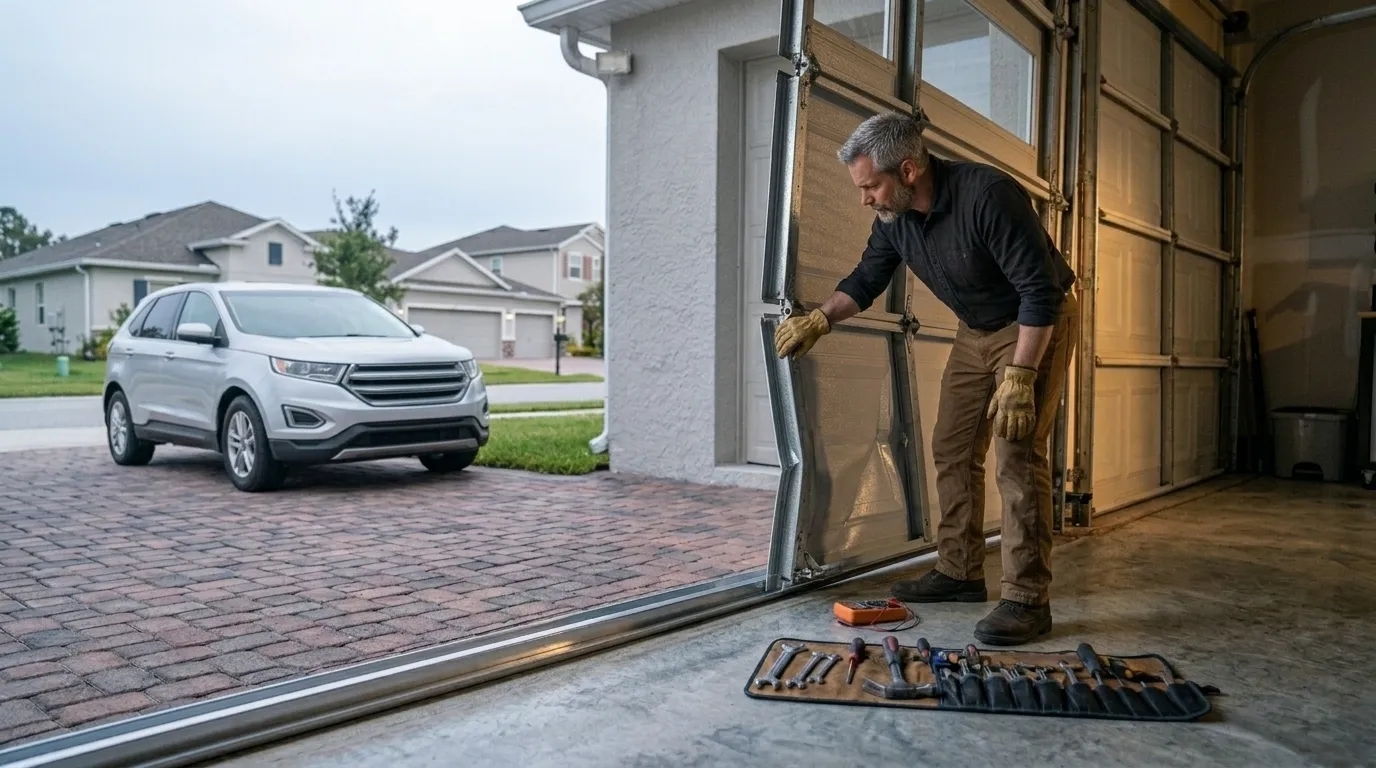
Garage Door Repair
Springs, cables, tracks, rollers, and openers fixed by a tech who explains the problem before touching anything.
Learn more →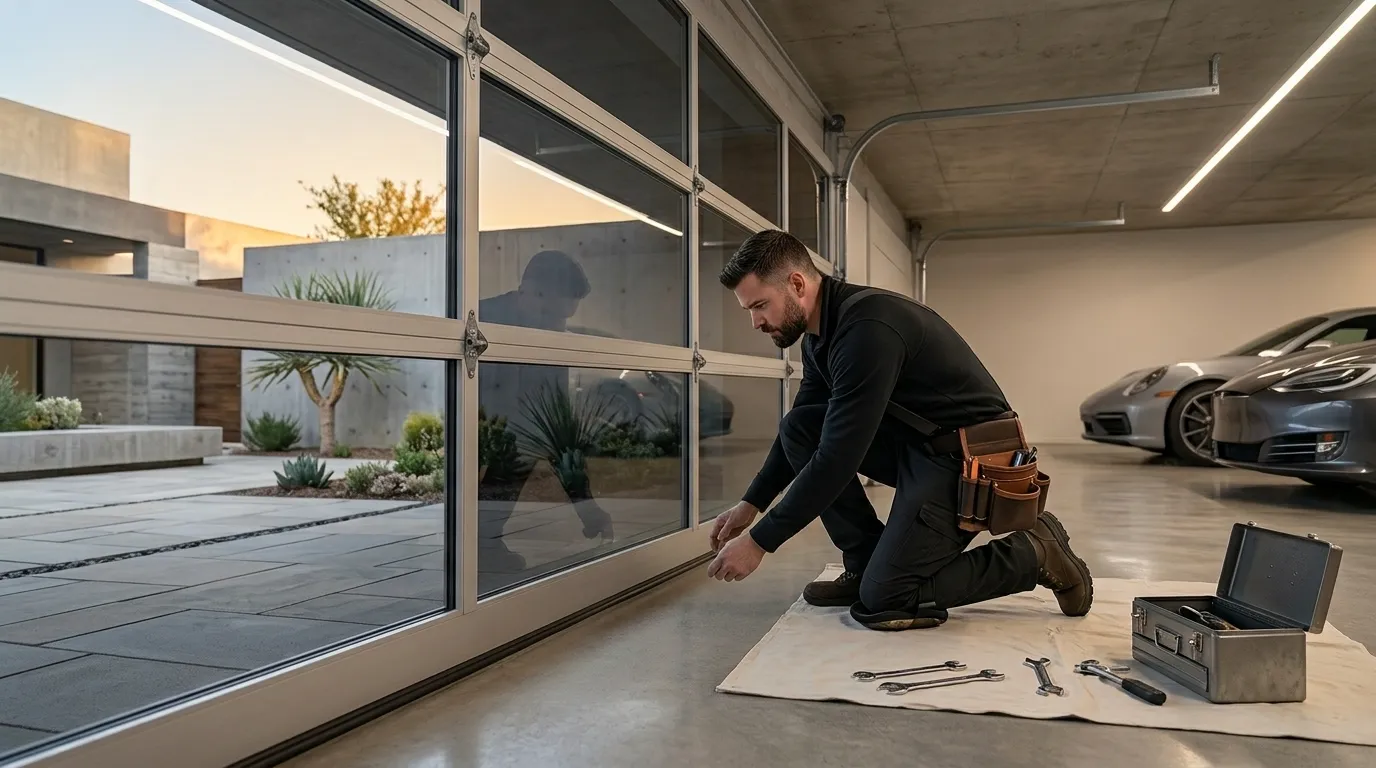
Garage Door Service
Tune-ups, lubrication, and safety checks that catch a small problem before it becomes a service call.
Learn more →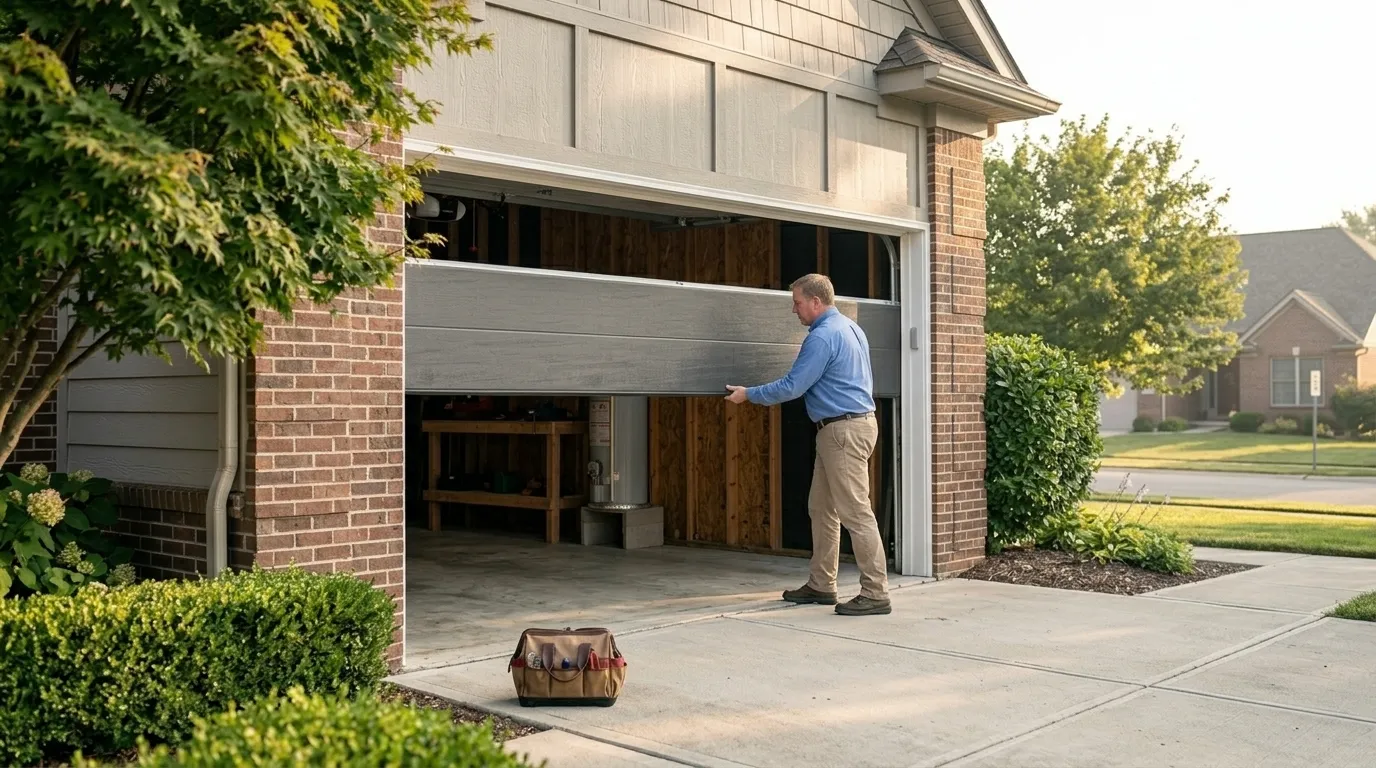
Garage Door Maintenance
Garage Door Maintenance handled by trained, insured local technicians with upfront pricing.
Learn more →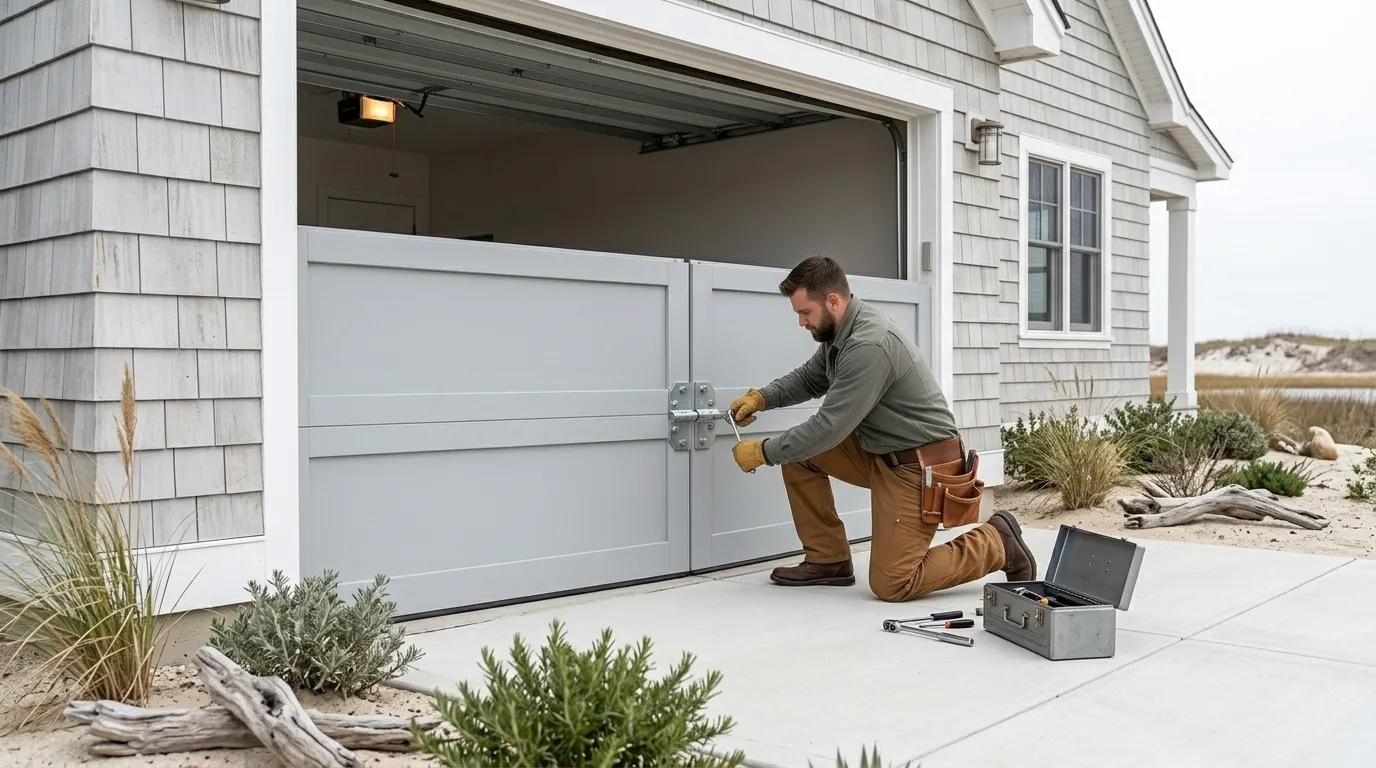
Garage Door Roller Replacement
Worn, noisy rollers swapped for smooth nylon ones so the door runs quiet.
Learn more →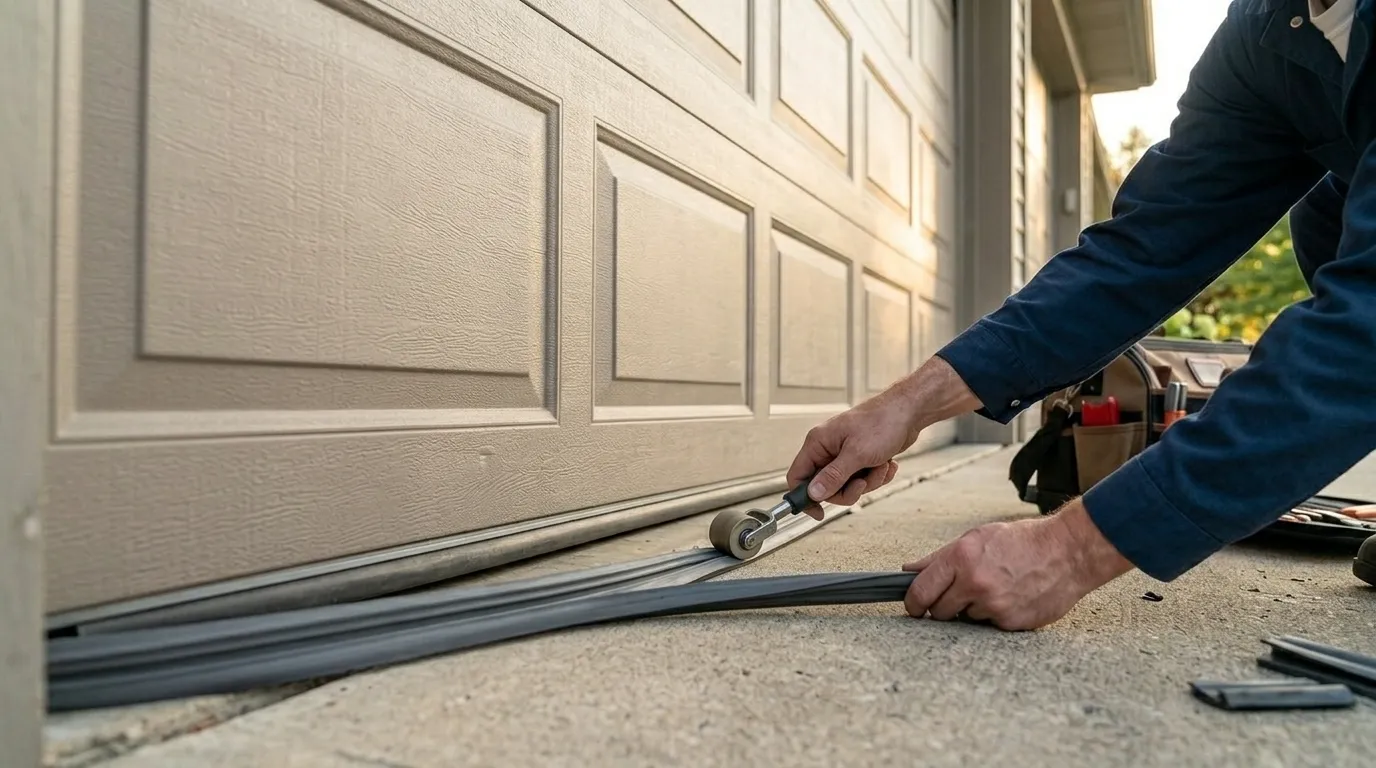
Garage Door Installation
New sectional doors sized and installed for the housing stock actually built in this area.
Learn more →
Commercial Garage Door
Commercial Garage Door handled by trained, insured local technicians with upfront pricing.
Learn more →Why San Francisco Calls Us
Local facts, not a franchise script.
What Happens When You Call
-
1
Call or Request a Quote
Tell us what the door is doing and roughly how old the house is - that alone points us toward the likely part before a truck leaves.
-
2
On-Site Diagnosis
A tech checks the spring, cables, tracks, and opener in person and tells you plainly what is actually wrong.
-
3
Straight Price, No Surprises
You get a number before any work starts. It covers parts and labor, nothing added after the fact.
-
4
Fixed the Same Visit
Most repairs are done in one trip. If a part needs sourcing, we tell you that upfront instead of guessing.
The Area and Its Housing
Most of the garages we work on sit behind houses built between 1938 and 1988, with the median build year landing around 1962. That's not a small detail - it means the door on your garage is very likely original equipment or a first-generation replacement, on hardware nobody has manufactured in decades. Across the 52 named areas we cover, the bulk of the stock is 1960s and '70s construction: single-car garages tucked under the house, narrow driveways, doors mounted with hardware sized for a lighter, thinner panel than what's sold today.
If your door still has the extension springs mounted flat along the horizontal track instead of a torsion bar over the header, that's a mid-century setup, and it changes how we price and how we fix it. Same if the opener is a chain-drive unit bolted to a ceiling joist that was never meant to carry a modern jackshaft motor. We see this pattern constantly because it's the pattern the neighborhood was built with, not because we're guessing at what an old house probably has.
The mild, temperate climate here has been kind to this old hardware in one way - you don't get the rust and warp problems that garages take in harsher climates. But steel springs and cables still fatigue on a fixed cycle count regardless of weather, and a lot of that original steel is now sixty-plus years into its working life.
What It Costs and Why
We're not going to give you a number here that we can't back up, because a flat quote for garage door work without seeing the door is a guess dressed up as a fact. What we can tell you is what drives the cost on the doors we actually see in this area: torsion springs sized for older narrow-track hardware often cost more to source than the standard springs sold for newer doors, because the parts houses stock for volume, not for 1962.
Median household income across the service area runs about $152,131, and we mention that only because it explains something real - a fair number of the calls we get are homeowners choosing full replacement over another patch job, because they can, and because patching 60-year-old track for the third time stops making sense past a certain point. That's a decision we'll walk through honestly with you rather than push either direction.
The one thing we won't do is quote a repair over the phone sight unseen. Spring tension, cable wear, and track alignment on a door this old vary enough house to house that a phone estimate would just be wrong more often than it's right.
The Towns We Get To
We run calls within about a seven to fifteen mile radius, which covers a wide mix of housing eras and terrain. Close in, that's Daly City, Sausalito, Colma, Brisbane, and Belvedere, all around seven miles out. A little further, Emeryville and Tiburon sit at eight miles, South San Francisco, Berkeley, and Strawberry at nine, and Albany, Tamalpais-Homestead Valley, and San Bruno at ten.
Past that we still make it to Piedmont, Mill Valley, and Kensington around eleven to twelve miles, along with Corte Madera, El Cerrito, Pacifica, and Millbrae. At the outer edge of our range, roughly thirteen to fifteen miles, we cover Richmond, Larkspur, Burlingame, Kentfield, San Pablo, San Leandro, El Sobrante, Ross, Stinson Beach, and Hillsborough.
That's a lot of different housing stock in one radius - hillside garages with steep, awkward approaches in some of these towns, flat-lot single-car garages in others. We don't treat it as one uniform service area; the truck that goes out to a steep driveway job is loaded differently than the one headed to a flat suburban block.
The Jobs That Come Up Most
Broken torsion springs on the older, narrower-track doors are the single most common call, mostly because that hardware has had sixty years to fatigue and often was never upgraded. Right behind that: worn rollers and bent track on doors that get opened and closed several times a day in a one-car garage, where there's no margin for the door to be even slightly out of alignment.
Opener trouble is the third big category, and it splits two ways. Some of it is a chain-drive unit from an earlier upgrade finally giving out after years of service. The rest is a homeowner asking us to put a modern opener onto original 1960s-era track and springs - which we can sometimes do, and sometimes have to tell you plainly isn't worth it, because the track geometry won't support it without a larger job than the opener swap itself.
Cable failure shows up less often but tends to be more urgent, since a snapped cable on one side can drop a door unevenly and put real strain on the opposite track. We treat that as same-day work whenever we can get a truck there.
What Happens When You Call
You tell us what the door is doing - won't open, opens crooked, makes a grinding sound, opener runs but nothing moves - and we ask enough questions to get a rough sense of whether it's spring, cable, track, or opener before a truck ever leaves. That matters here because so much of the housing stock has original or near-original hardware, and the tech showing up needs to know which parts to bring, not figure it out standing in your driveway.
We look at the door in person before we commit to a repair price, for the reason we mentioned earlier - sight-unseen estimates on doors this old are unreliable. Once we've had eyes on it, you get a straight answer: fix it, or tell you honestly that replacement is the better call, along with why.
We don't do every job that comes up. If what you need is custom architectural door work or something well outside standard residential repair and replacement, we'll say so upfront rather than take the job and figure it out as we go.
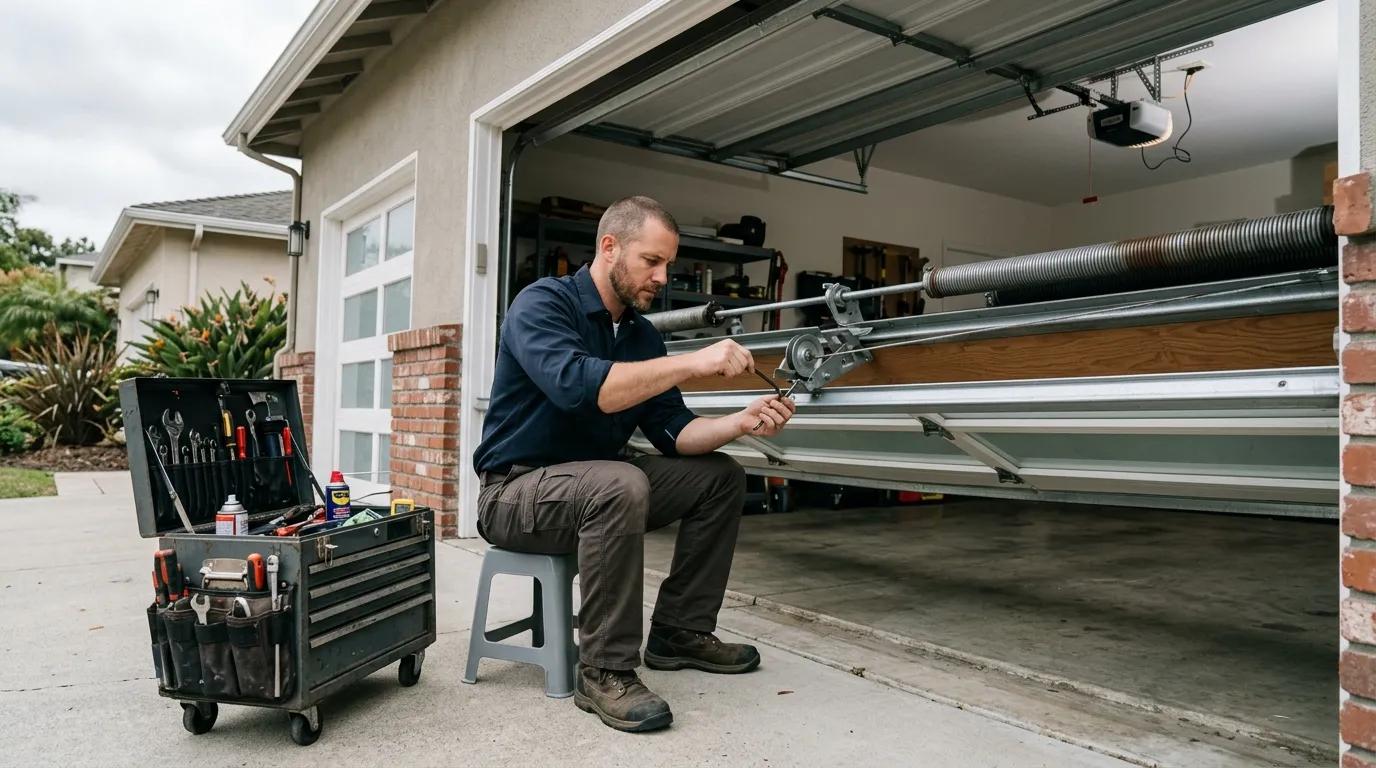
Recent Work Around San Francisco
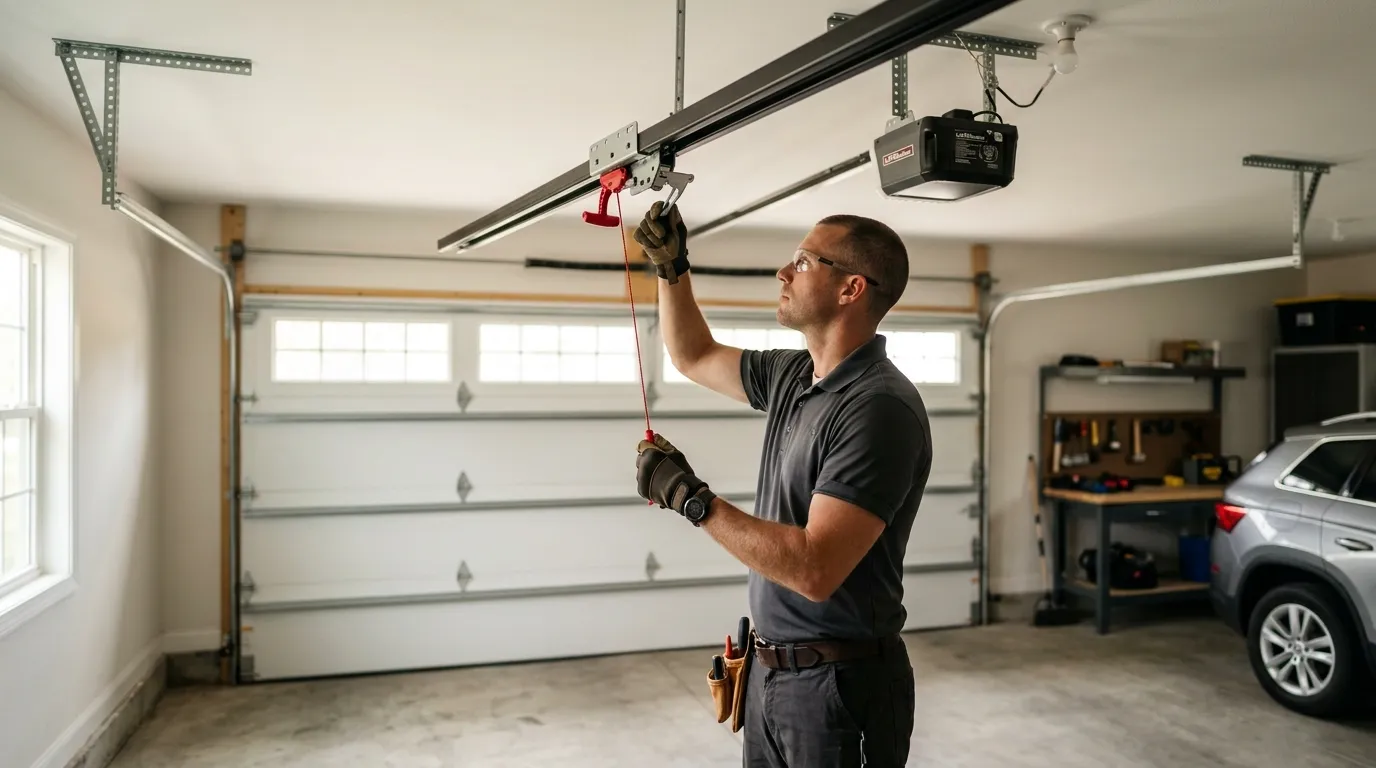
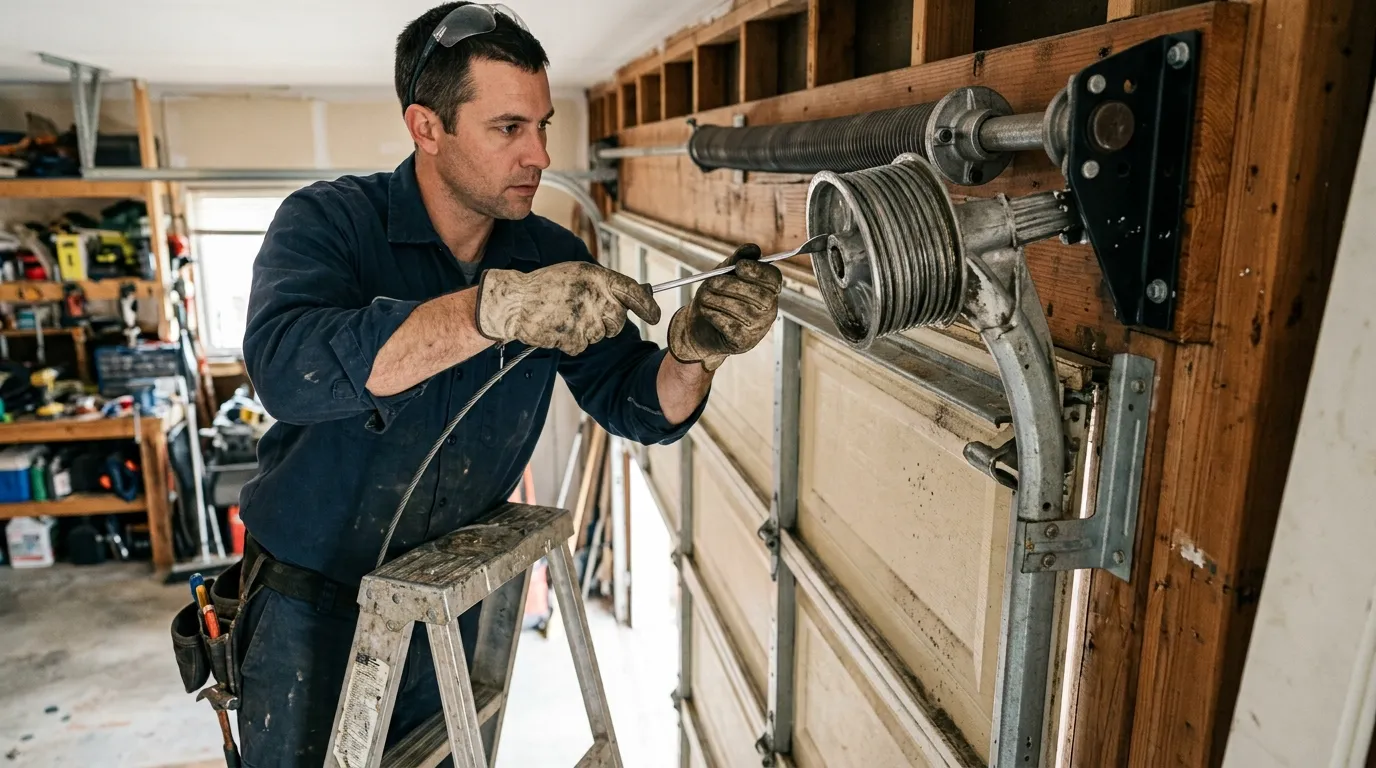
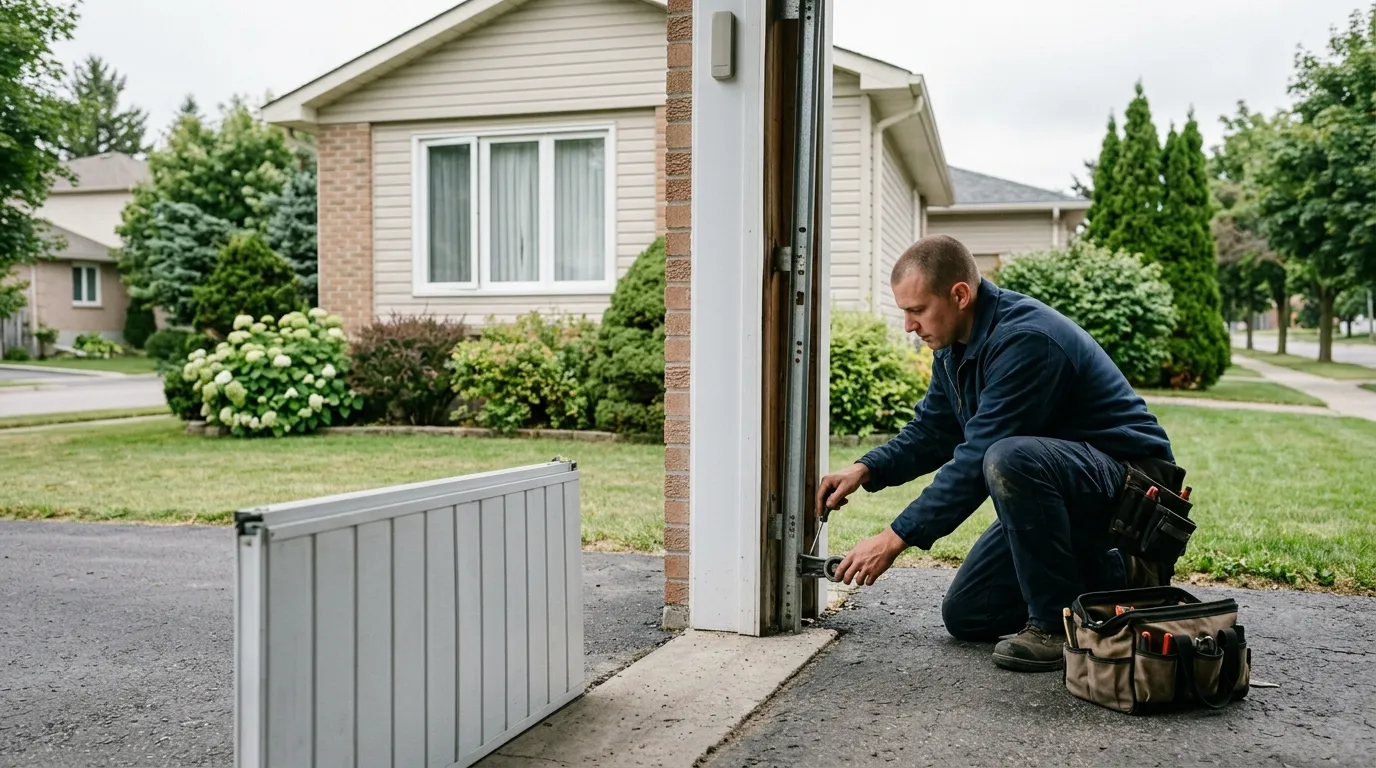
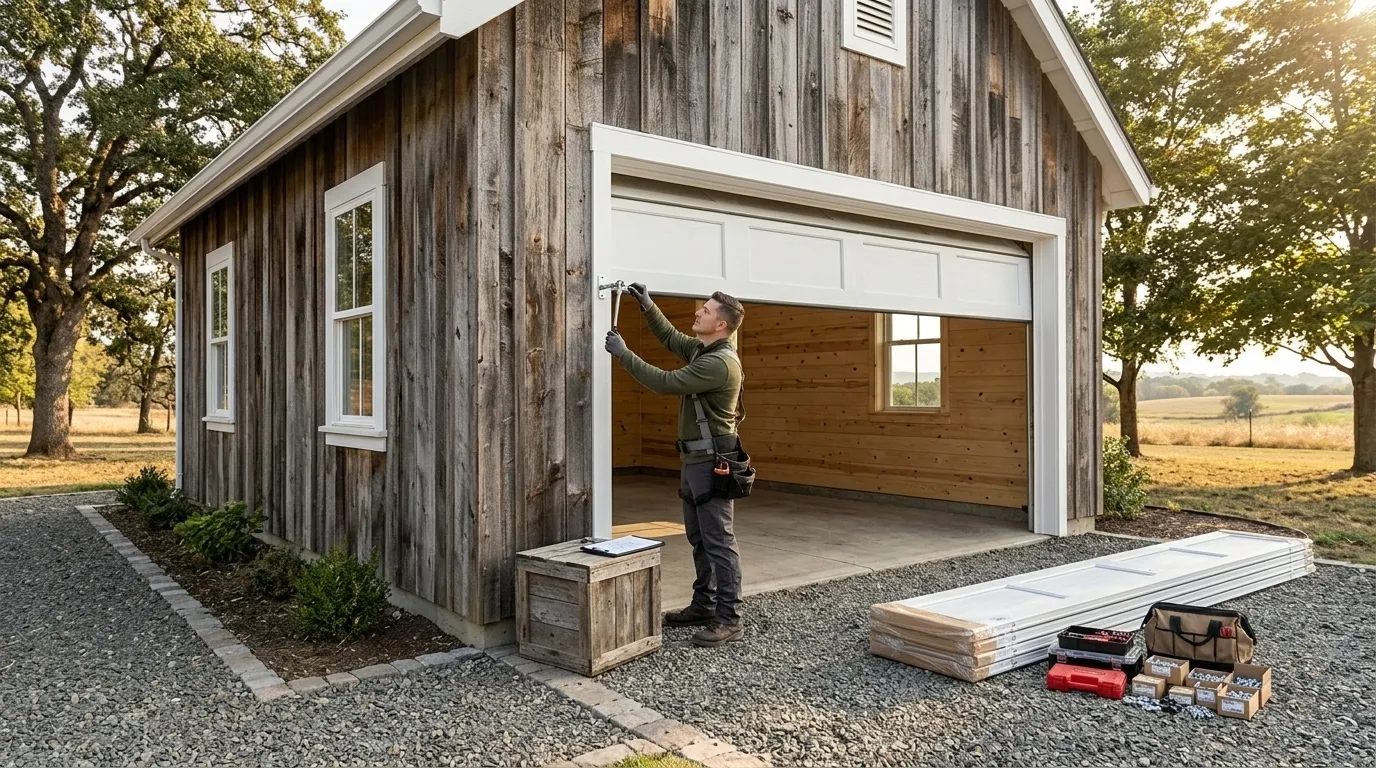
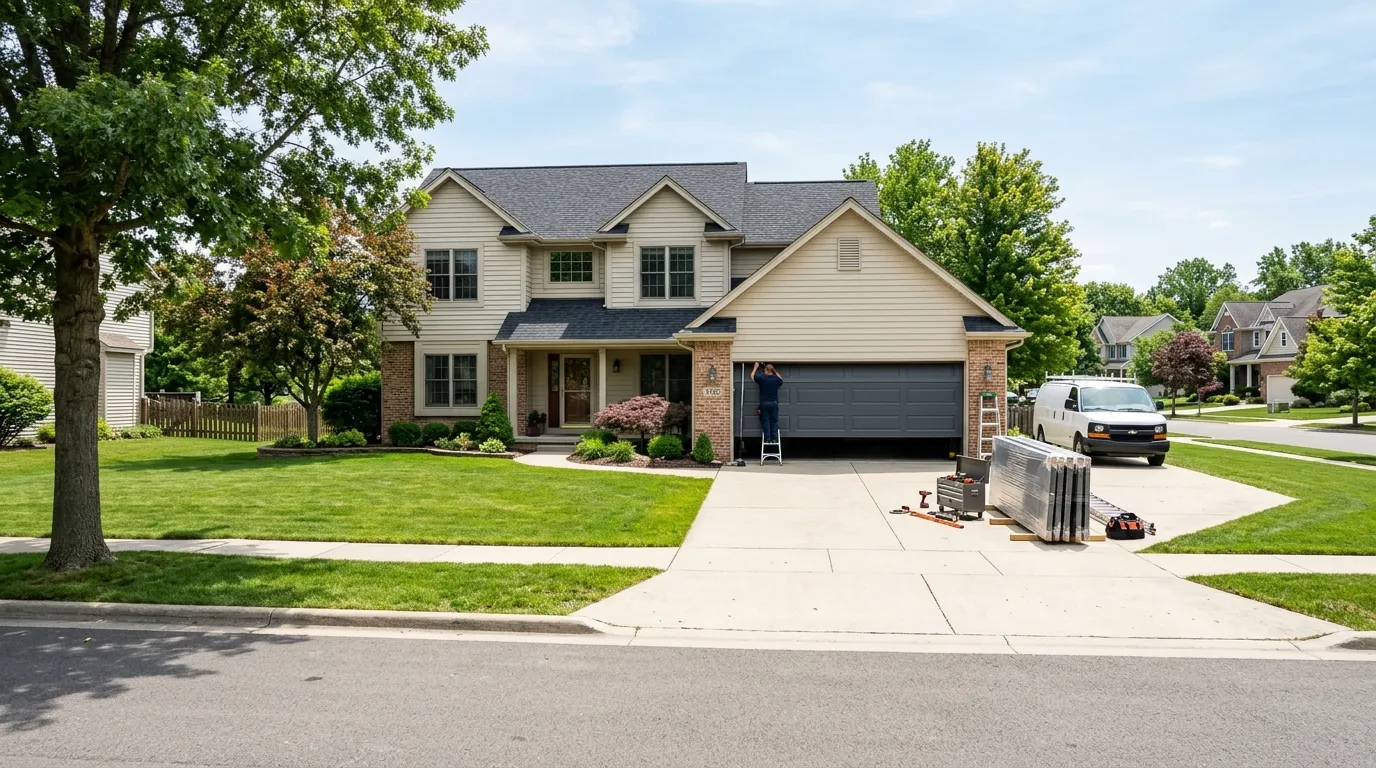
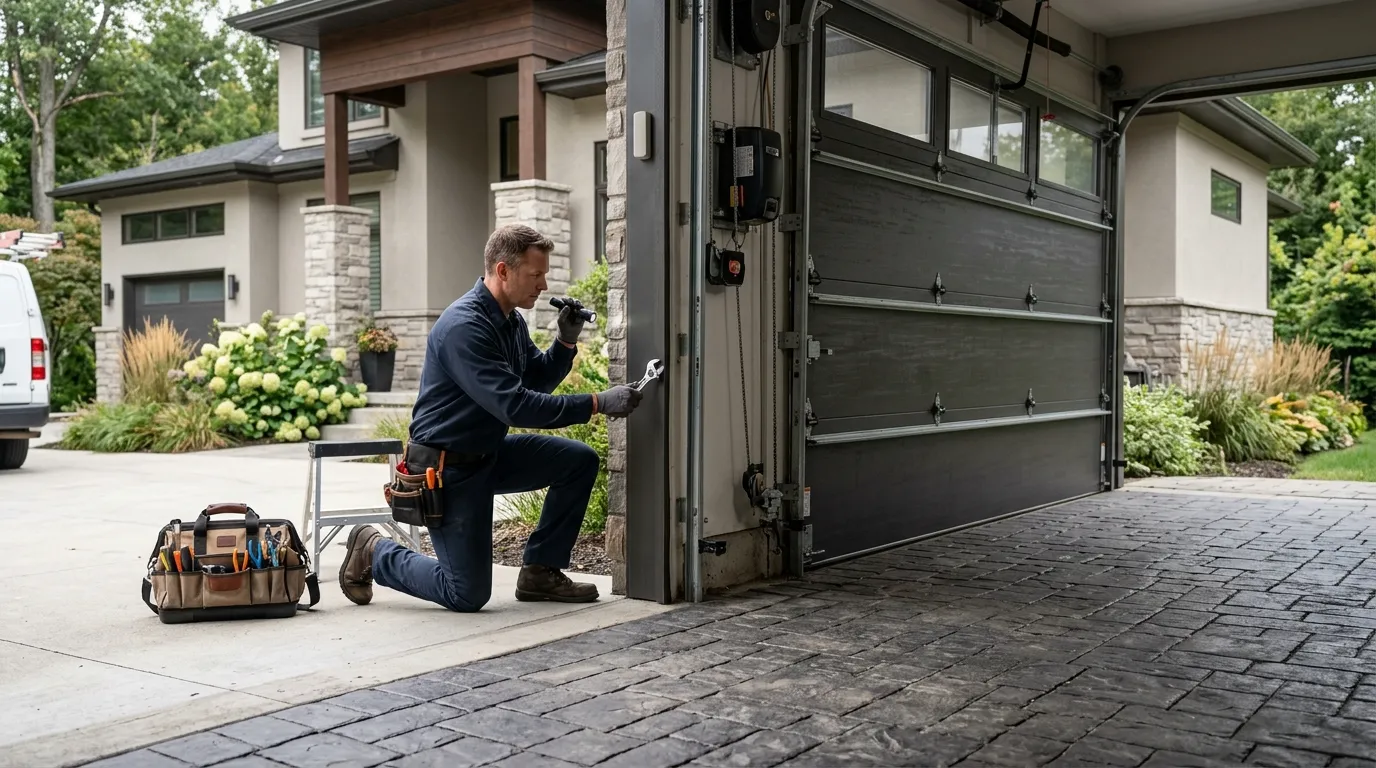
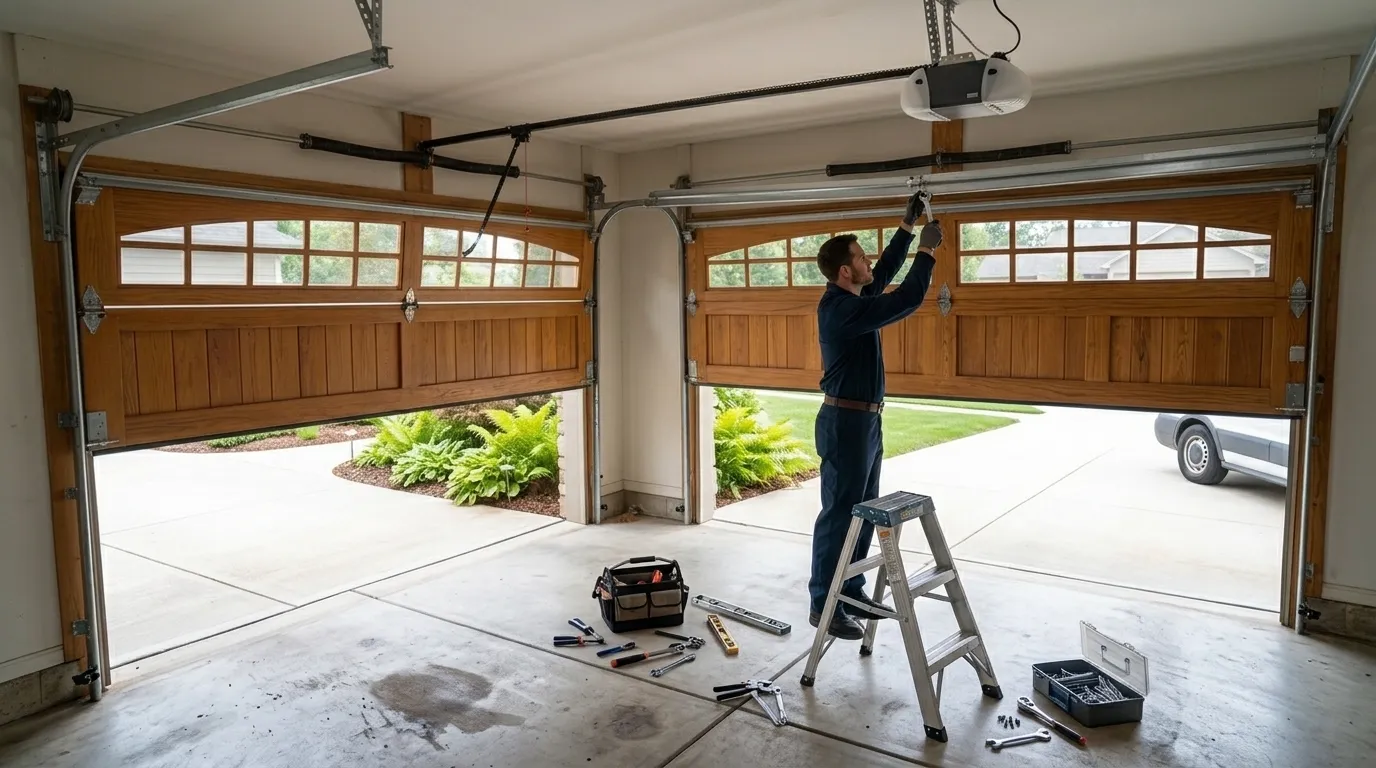
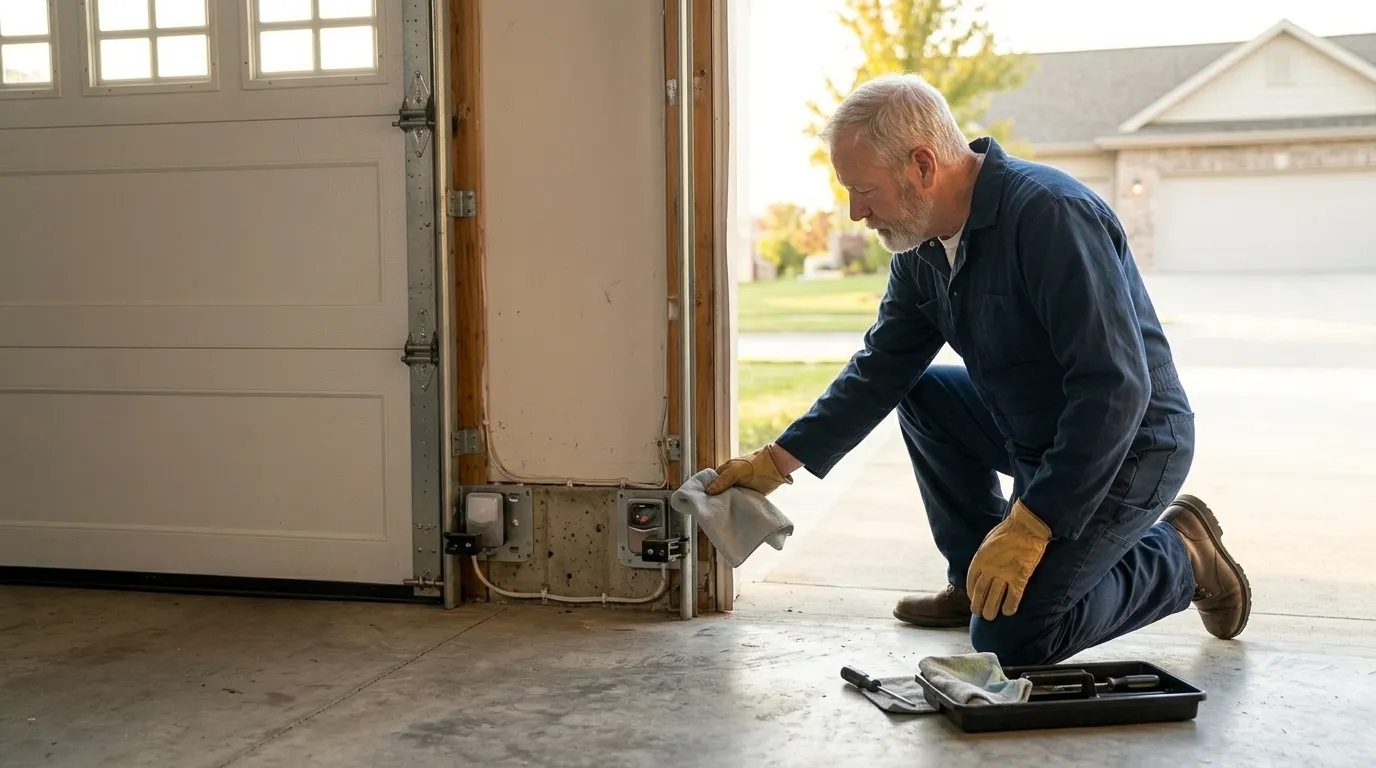
A look at the doors, springs, and openers our crew has been on lately.
Frequently Asked Questions
Do you work on garage doors with the old extension-spring setup instead of torsion springs?
Yes, and we see it often given how much of the housing here dates to the 1960s and '70s. Extension-spring systems need a different repair approach than modern torsion setups, and parts for them aren't always the ones sitting on a standard truck, so we make sure the tech knows the setup before arriving.
Can you put a new opener on my original 1960s garage door?
Sometimes, but not always. If the track and header hardware are original and undersized for a modern jackshaft or belt-drive motor, mounting a new opener without upgrading the track can strain the whole system. We'll tell you honestly if your setup needs more than an opener swap before we start.
How far out do you go for service calls?
Our range runs roughly seven to fifteen miles out, covering areas like Daly City, Sausalito, Berkeley, Mill Valley, Burlingame, and Hillsborough, among others. Distance affects scheduling more than pricing, so mention your location when you call and we'll give you a realistic window.
Why won't you quote a repair price over the phone?
Because on a lot of the doors we work on here, spring tension, cable wear, and track alignment vary significantly even between houses built the same year. A phone quote on a door we haven't seen would be a guess, and we'd rather look at it first and give you a number we can stand behind.
Ready to Get Your Door Fixed Right?
Call now or request a quote online, and we will tell you straight what your door needs.