
San Francisco, CA
Service
Garage Door Roller Replacement in San Francisco
Garage door rollers grinding or jumping track in San Francisco? We replace worn rollers on the 1938-1988 housing stock common across the Bay Area.
- Licensed & Insured
- Same-Area Service Calls
- Upfront Pricing
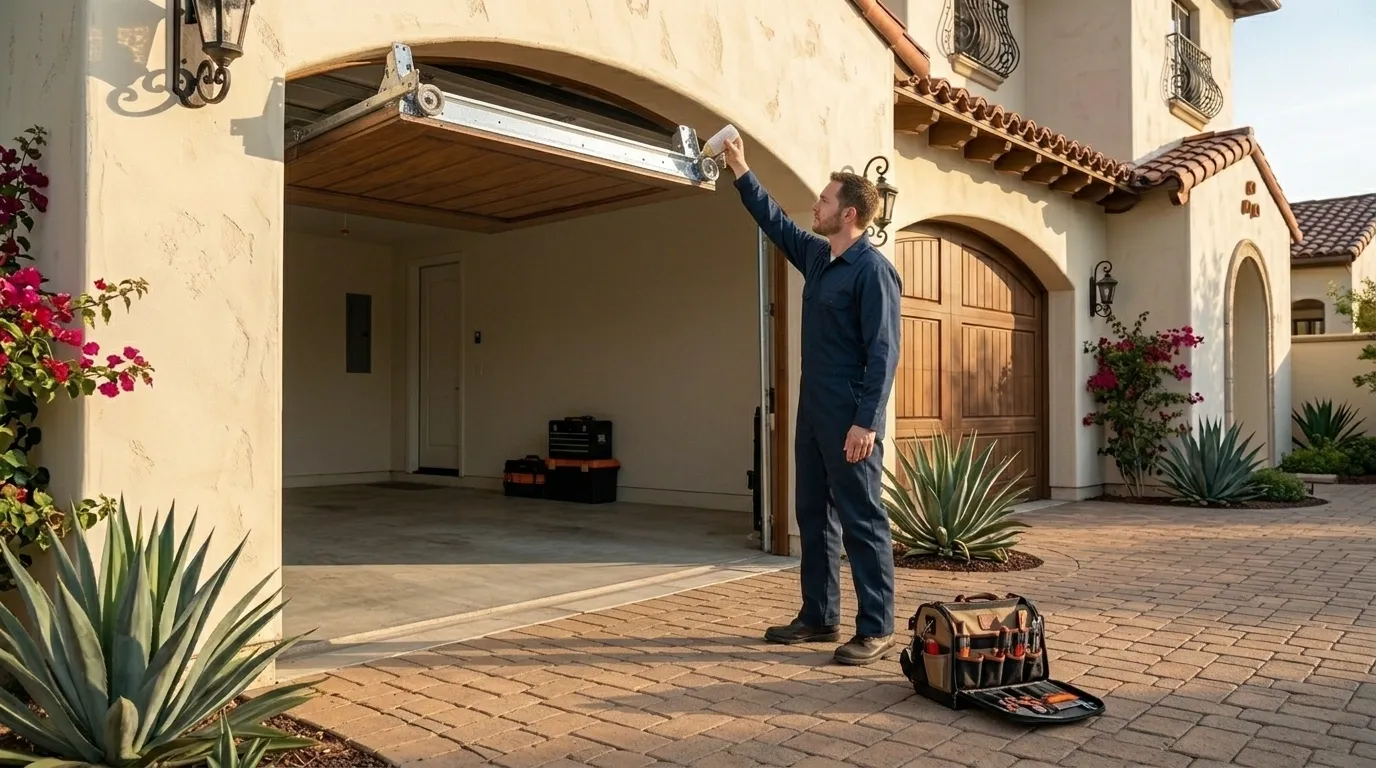
What Happens When You Call
-
1
Call or Request a Quote
Tell us what the door is doing and roughly how old the house is - that alone points us toward the likely part before a truck leaves.
-
2
On-Site Diagnosis
A tech checks the spring, cables, tracks, and opener in person and tells you plainly what is actually wrong.
-
3
Straight Price, No Surprises
You get a number before any work starts. It covers parts and labor, nothing added after the fact.
-
4
Fixed the Same Visit
Most repairs are done in one trip. If a part needs sourcing, we tell you that upfront instead of guessing.
Booking a Visit
Call us when the door starts grinding, jerking, or hanging up partway through a cycle. Roller replacement is a straightforward job once we're looking at the track in person, but we won't quote a price over the phone without seeing the wheel type, the track condition, and how many rollers are actually shot versus just noisy. Some doors only need the bottom two or three swapped; others need the full set because they were all installed the same year and wear together.
We work across the wider Bay Area, not just the city proper, and cover the towns within roughly seven to nine miles of San Francisco, including Daly City, Colma, Brisbane, Sausalito, Emeryville, and Tiburon. If you're calling from one of those areas, we're still your closest option. One honest note: if you're on an older extension ladder job or a door with a very tall opening, we may need a second visit to bring the right ladder or a specific roller stem length rather than carry every size on the truck at once.
Have the door open when we arrive if it's safe to do so - it lets us see the roller travel under load, which tells us more than a static inspection.
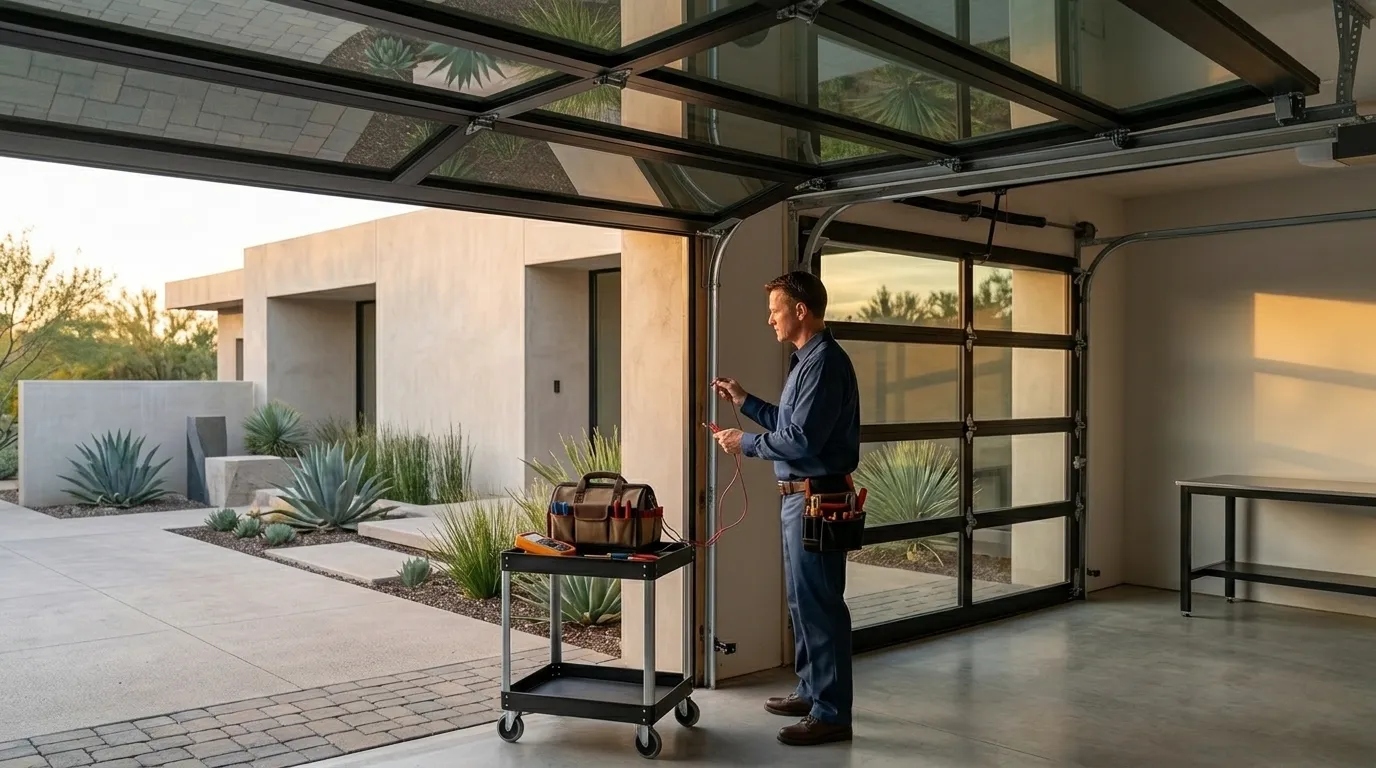
What the Repair Takes
Roller replacement means pulling the old wheel and stem out of the hinge or bracket, checking the track for the wear grooves and bent rail sections that chewed the roller up in the first place, and setting a new roller in - nylon with a sealed bearing in almost every case now, since steel wheels are the ones failing. If the track itself is bent or the gap has widened from years of a bad roller grinding against it, we straighten or replace that section too, because a new roller in a damaged track just wears out again in a year.
We also check cable tension and hinge screws while we're in there, since a loose hinge plate is often what let the roller wander sideways and start eating the track edge to begin with.
What this job does not include: spring replacement or opener repair. If the rollers are shot because a broken spring let the door slam down unevenly for months, that's a separate repair and we'll tell you plainly if that's what's going on before we start on rollers alone. Doing one without the other on a door in that condition is a waste of your money.
Why It Happens Here
Housing across this service area was mostly built between 1938 and 1988, with the typical house dating to 1962, and the bulk of the stock is 1960s and 70s construction. That era is exactly when steel roller wheels on steel track were standard equipment - long before nylon rollers became the norm - and a lot of those original assemblies, or early replacements matching them, are still turning today. Steel-on-steel wears fast once the factory grease dries out, and nobody's been greasing a garage door roller every year for six decades.
San Francisco sits in a mild temperate climate band, so we don't see the freeze-thaw cracking that splits plastic rollers apart in colder regions. Here the failure mode is almost entirely mechanical: age, dried lubricant, and track wear from decades of use, not weather damage. That's actually good news for repair - a roller job on a house from this era is usually a wear-and-tear fix, not a sign of something structurally wrong with the door.
Across the service area's roughly 167,337 owner-occupied houses, the pattern holds pretty consistently: the older the section of the neighborhood, the more likely the rollers are original steel and overdue.
What You Are Seeing
A grinding or rattling sound as the door moves, especially near the top or bottom of travel, usually means a roller wheel has flat-spotted or the bearing inside has seized so the stem is dragging instead of rolling. If the door jerks or hesitates at the same spot every time, that's often one bad roller catching on a worn groove in the track rather than a problem with the opener.
Visible cracks in a nylon roller, or a steel roller with a wheel that's gone oval instead of round, are both past the point of adjustment - they need to come out. A door that's come off the track on one side, or that looks like it's leaning slightly as it opens, points to a roller that's worn down enough to slip out of the rail entirely.
One thing to watch for before it gets worse: if you see metal shavings or fine black dust collecting on the floor under the track, that's steel-on-steel wear happening right now, not old residue. Waiting on that usually turns a roller job into a roller-and-track job.
Talk to a Technician Before You Book
Describe what the door is doing and get a straight answer on what it likely needs.
Jobs Like Yours
Recent work from this service line.
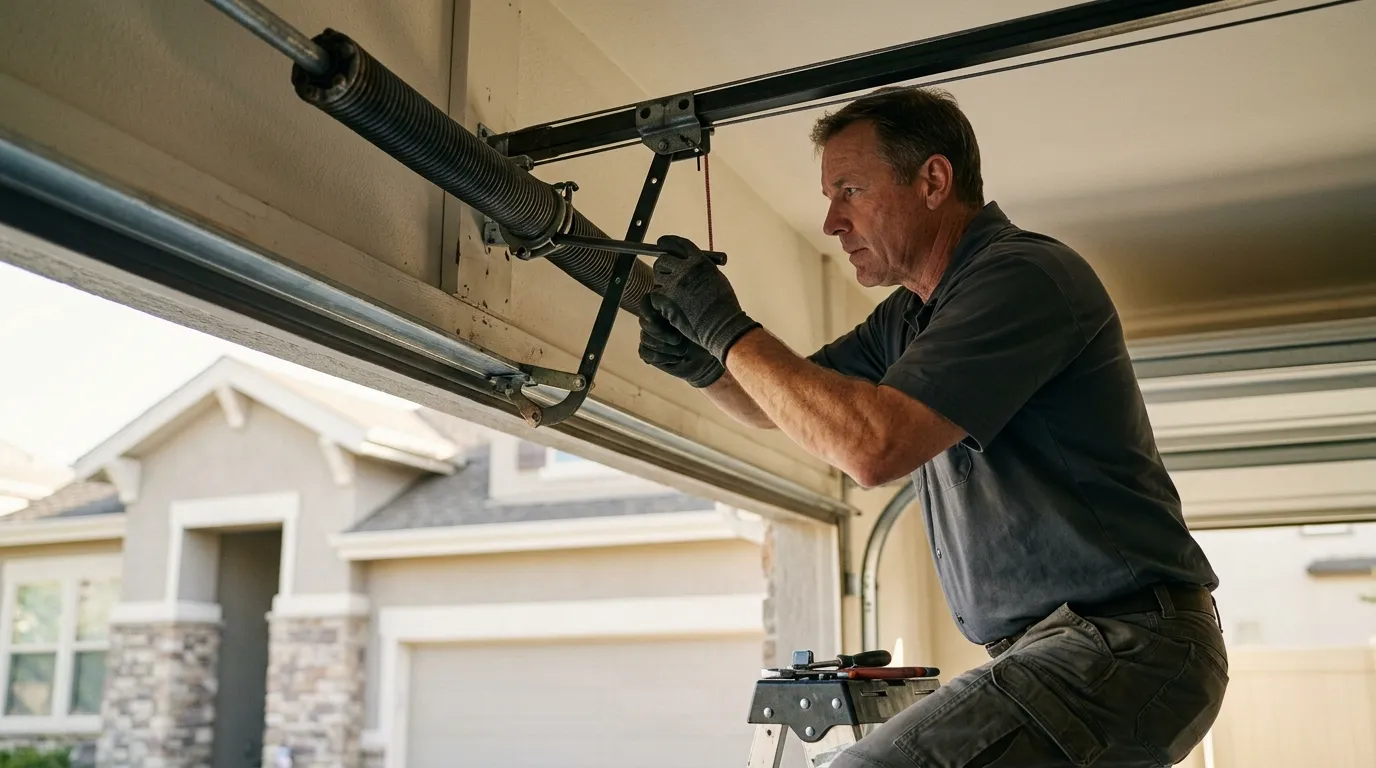
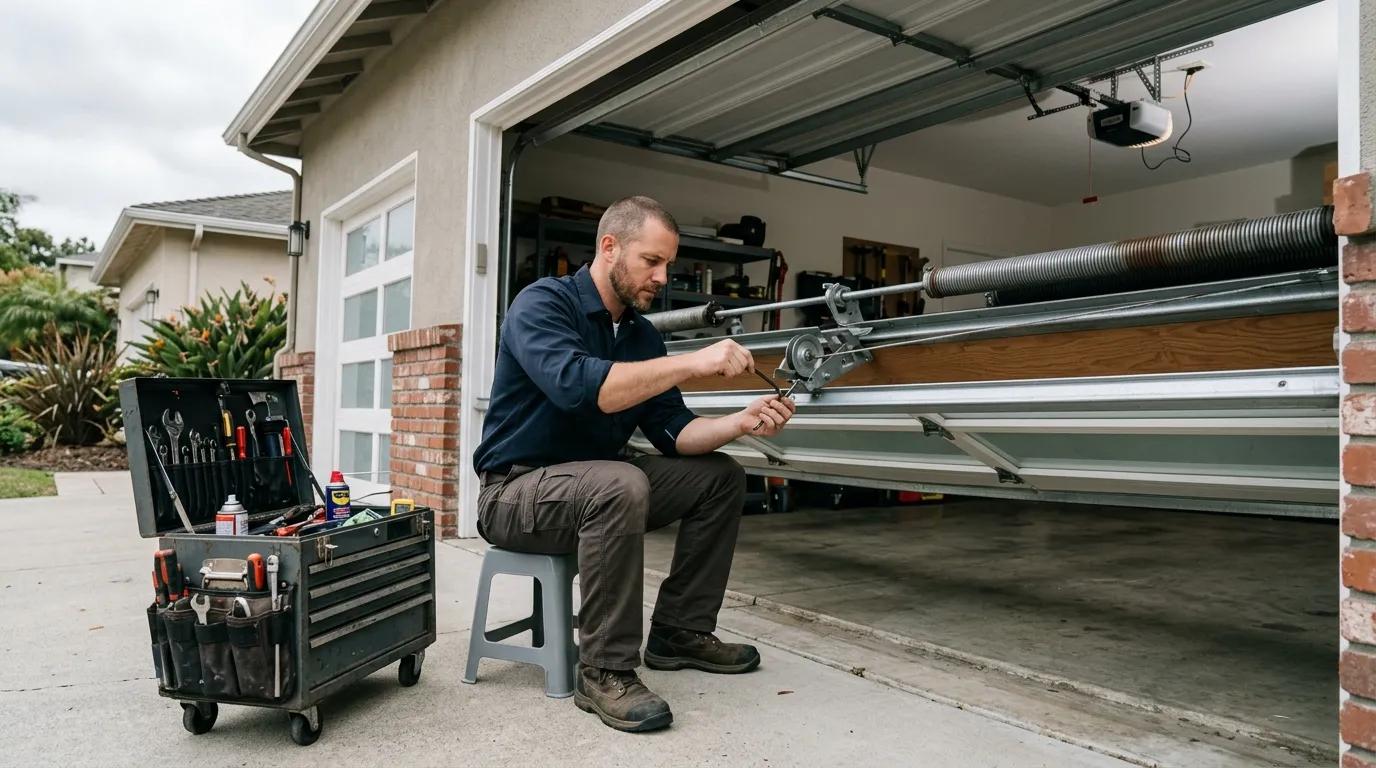
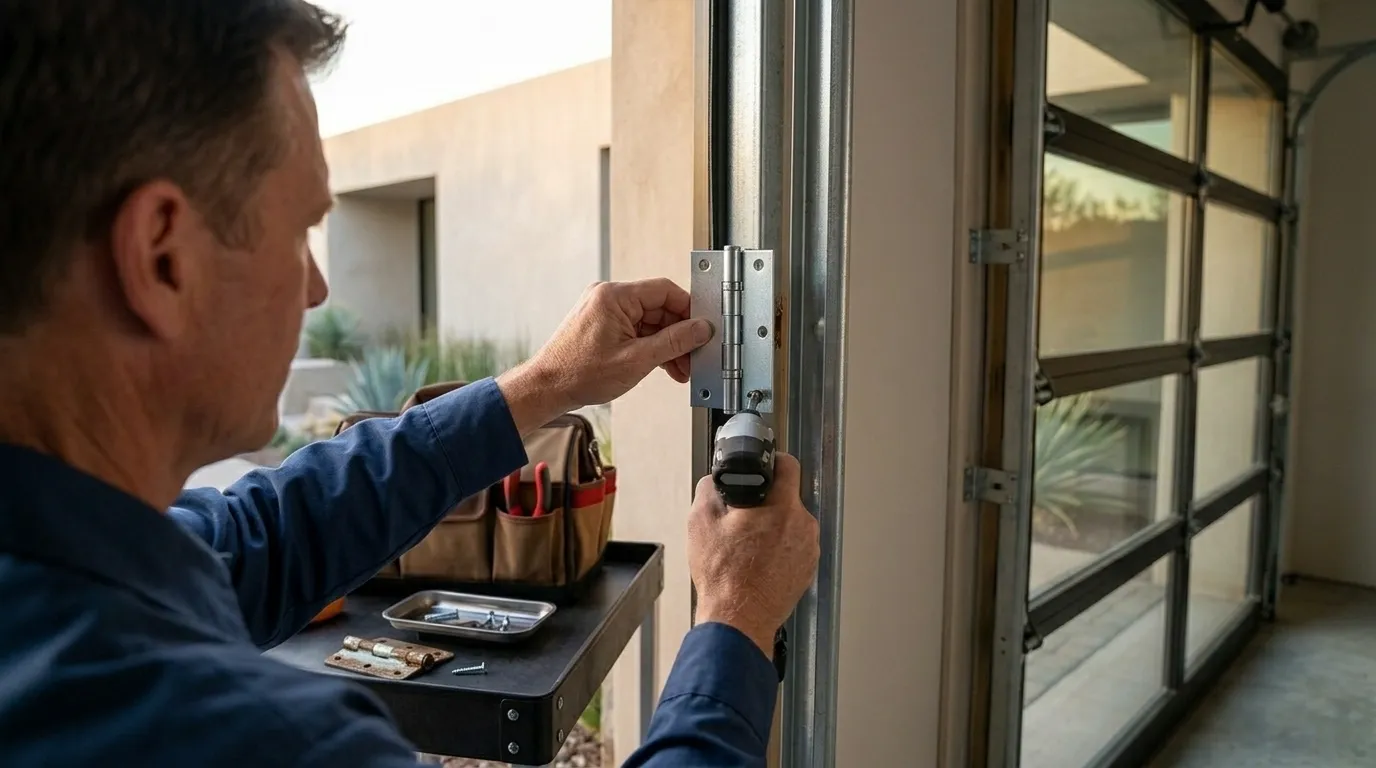
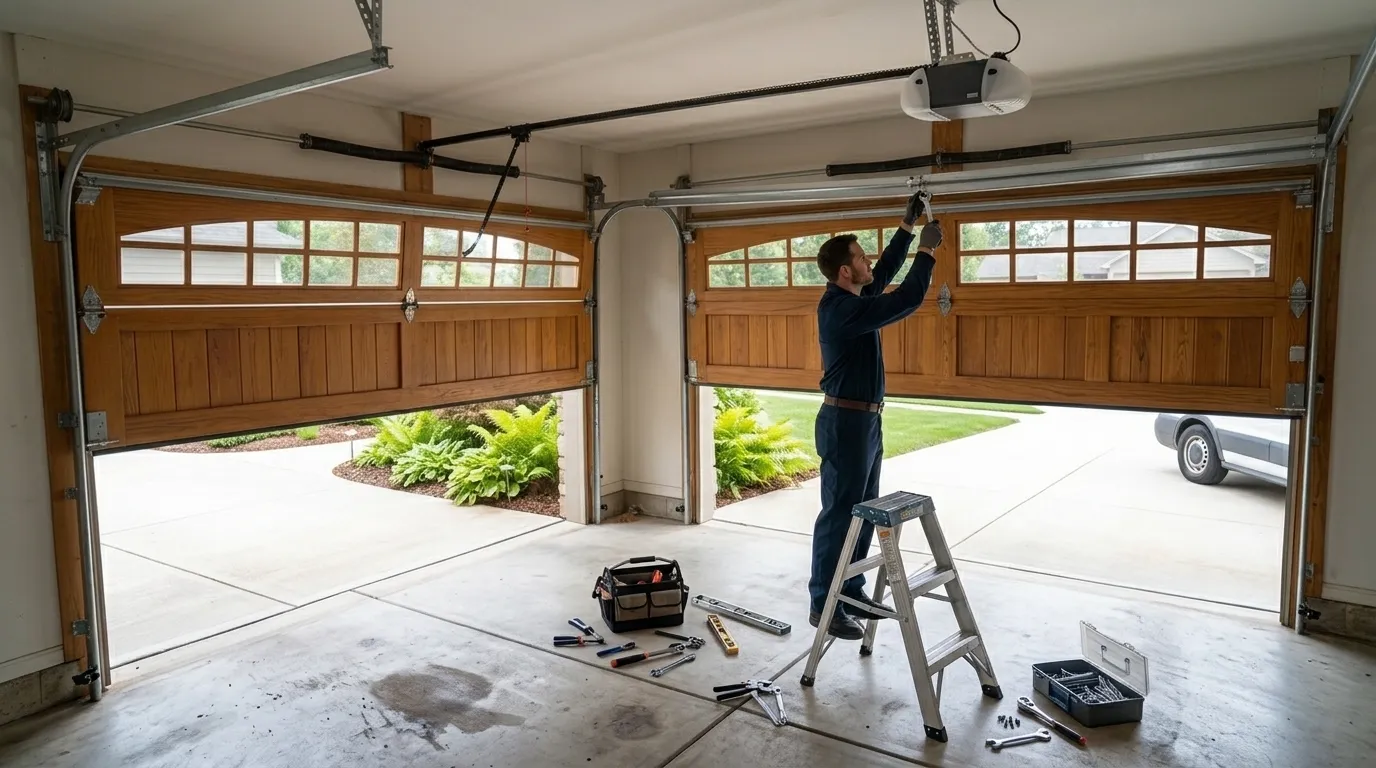
Why San Francisco Calls Us
Frequently Asked Questions
How many rollers usually need replacing at once?
It depends on the door, but doors from the 1960s and 70s era common here often need the full set replaced together, since they were installed at the same time and have worn evenly. We check each roller individually rather than assume, so you're not paying to replace ones that still have life left.
Do you replace steel rollers with nylon ones?
In most cases, yes. Steel rollers are the ones we see failing on older homes, and nylon rollers with sealed bearings run quieter and last longer without needing regular greasing. We'll tell you if your track is worn in a way that changes which roller size fits.
Can a bad roller damage the track?
Yes. A worn or flat-spotted roller grinding against the rail over months will groove or bend the track itself. If that's happened, replacing the roller alone won't fix the noise or the sticking - the track section needs attention too, and we'll flag that before starting the job.
Is roller noise a sign I need a whole new door?
Not usually. Roller wear is a mechanical, wear-and-tear issue, and most doors in this area are candidates for a straightforward roller and track repair rather than full replacement. Replacement only makes sense when the door itself is failing structurally, which is a separate conversation.
Need Garage Door Roller Replacement in San Francisco?
Call now for straight answers on cost and timing.