
San Francisco, CA
Service
Garage Door Panel Replacement, San Francisco
Dented or cracked garage door panels are common on San Francisco's 1938-1988 housing stock. We match panels, source discontinued sections, and replace only what's damaged.
- Licensed & Insured
- Same-Area Service Calls
- Upfront Pricing
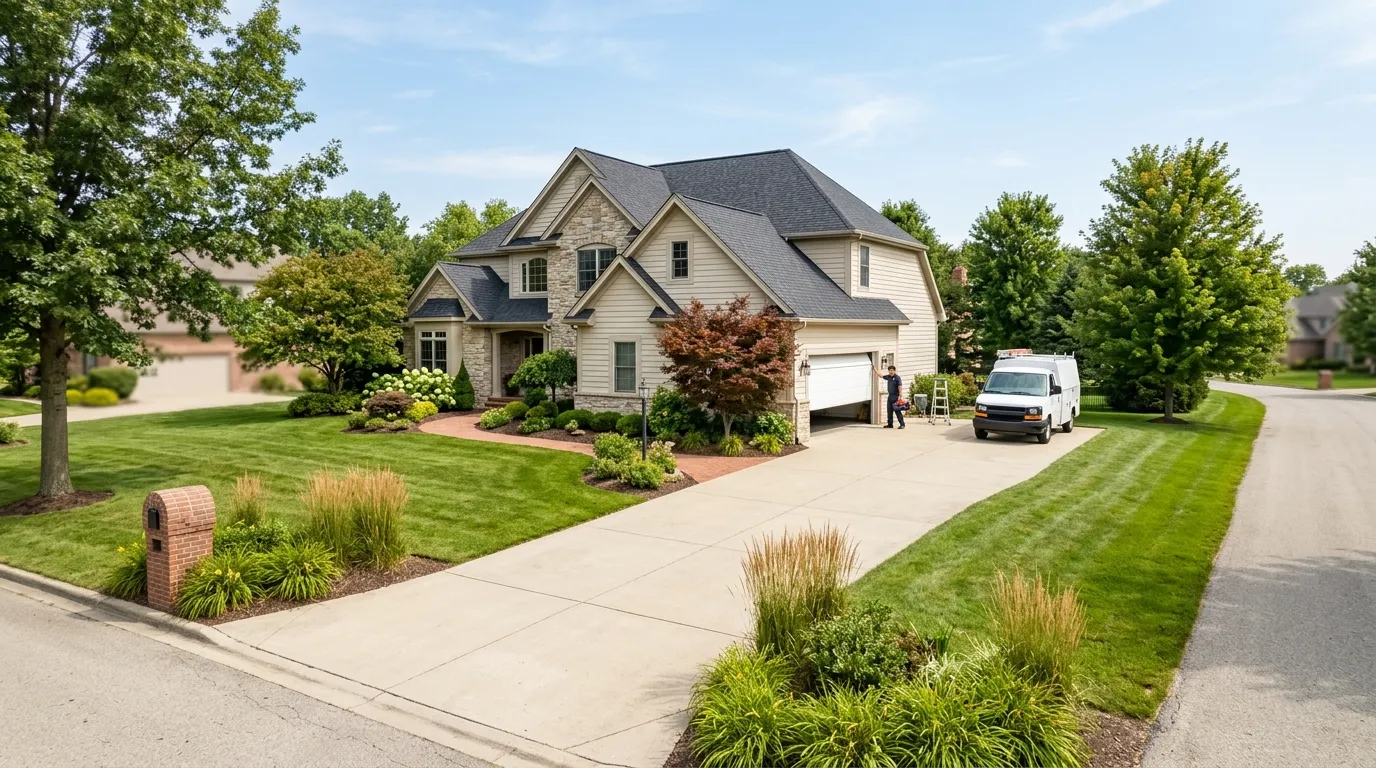
What Happens When You Call
-
1
Call or Request a Quote
Tell us what the door is doing and roughly how old the house is - that alone points us toward the likely part before a truck leaves.
-
2
On-Site Diagnosis
A tech checks the spring, cables, tracks, and opener in person and tells you plainly what is actually wrong.
-
3
Straight Price, No Surprises
You get a number before any work starts. It covers parts and labor, nothing added after the fact.
-
4
Fixed the Same Visit
Most repairs are done in one trip. If a part needs sourcing, we tell you that upfront instead of guessing.
Booking a Visit
Call and tell us the make of your door if you know it, or send a photo of the damaged panel along with a shot of the full door. Most of the houses we work on around here went up between 1938 and 1988, with a lot of the stock dating to the 1960s and 70s, so a huge share of the doors we see are steel or wood sectional units from that era. That matters for booking because panel matching on a 50-year-old door is a different job than matching a five-year-old one.
We need to know the brand, the panel style, and roughly how old the door is before we can tell you whether we're ordering a new section or refinishing what's there. We serve the wider Bay Area, including areas out toward Daly City, Sausalito, Colma, Brisbane, and Emeryville, and scheduling depends partly on where the part is coming from. If your door is a common builder-grade model from that period, we can often get a panel in fast.
If it's a discontinued line, we'll tell you that up front rather than guess a date and miss it.
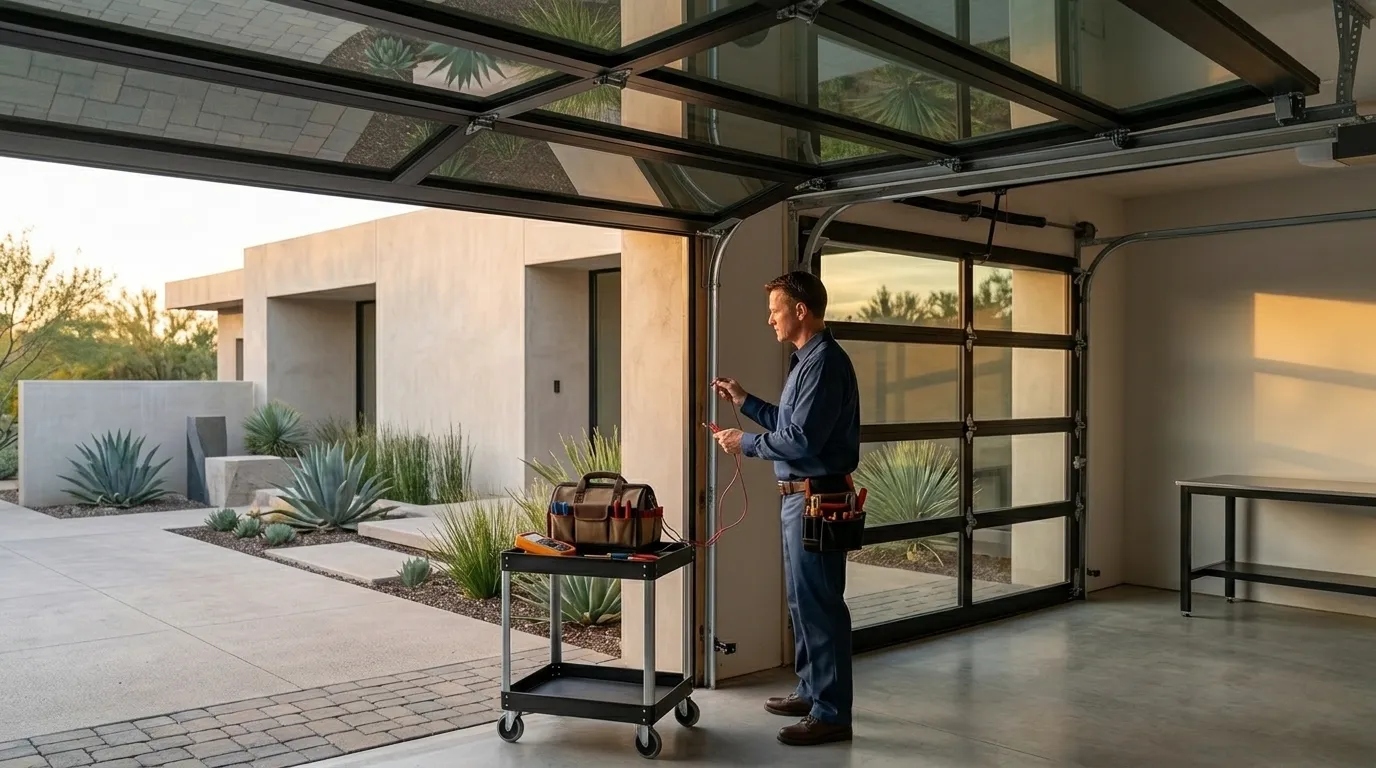
What the Repair Takes
A single-panel swap on a steel sectional door usually means unbolting the hinges above and below the damaged section, sliding it out on the track, and setting the replacement in with the same hardware if it's still sound. On doors from the 1960s and 70s we often find hinges and rollers that have outlasted the panel itself, so we reuse them when they're not worn past spec. If the door came from a manufacturer that's stopped making that panel profile, we look at whether a close match will sit flush with the rest of the door or whether the whole door needs replacing instead - a mismatched panel on an otherwise good door looks worse than the dent did.
Wood panels take longer, since a lot of the wood doors from that housing era were custom-milled and don't have an off-the-shelf replacement. We're honest when a repair isn't worth it: if two or more panels on an older door are cracked or rusted through, replacing the whole door often costs less over time than chasing parts for a door that's near the end of its run anyway.
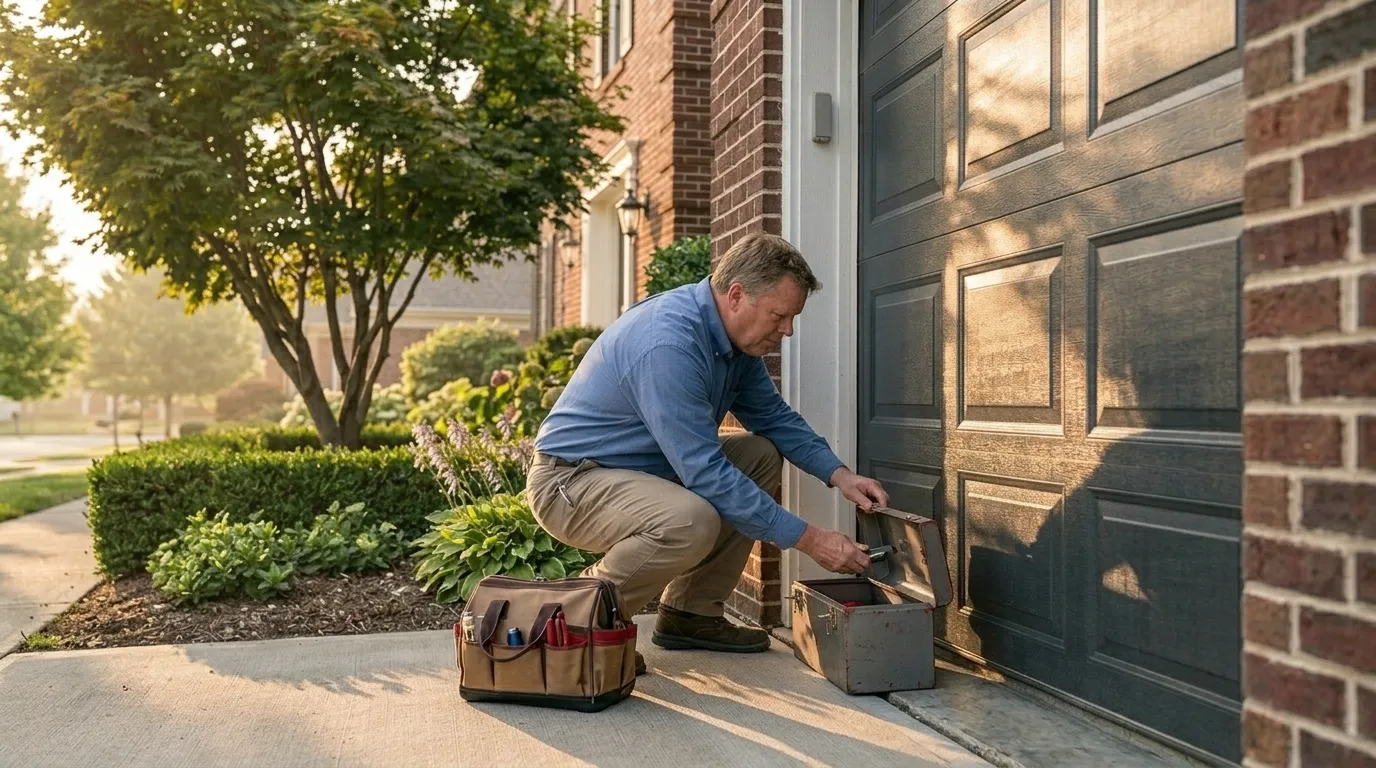
Why It Happens Here
San Francisco's climate sits in a mild temperate band, so we don't get the freeze-thaw cracking that splits panels in colder cities, but the marine layer and salt-carrying fog that roll through the area do their own damage over decades. Steel panels on houses built in the 1938-1988 window have had a long time to develop rust at the seams and around hardware bolts, especially on doors facing west toward the water. Add to that the sheer age of the stock - a median build year around 1962 across the 52 named areas we cover - and you get a lot of doors where the panel material itself has simply fatigued, not just been hit by a car bumper or a errant basketball.
Wood panels from that same era, especially on the older Marin and Peninsula-facing streets we work in, show swelling and delamination from decades of damp fog rather than any single storm. It's steady low-grade weather, not extreme events, wearing on doors that are now 40 to 80 years old.
What You Are Seeing
A cracked or bowed panel usually shows up first as a door that doesn't sit flush when closed, or a section that visibly buckles when the opener pulls on it. Rust blistering along the bottom panel, especially near the weatherstrip, is common on the older steel doors from this area's mid-century building boom and tends to spread once it starts. On wood doors, look for soft spots you can press a thumbnail into, or panels that have started to separate at the seams - that's moisture working in over years, not a sudden failure.
If only one panel is affected and the track and springs are in good shape, a panel swap is usually the right call. If you're seeing cracking on multiple panels, or the door is original to a house built in the 1940s or 50s, it's worth asking us to look at the whole door rather than patch one section at a time.
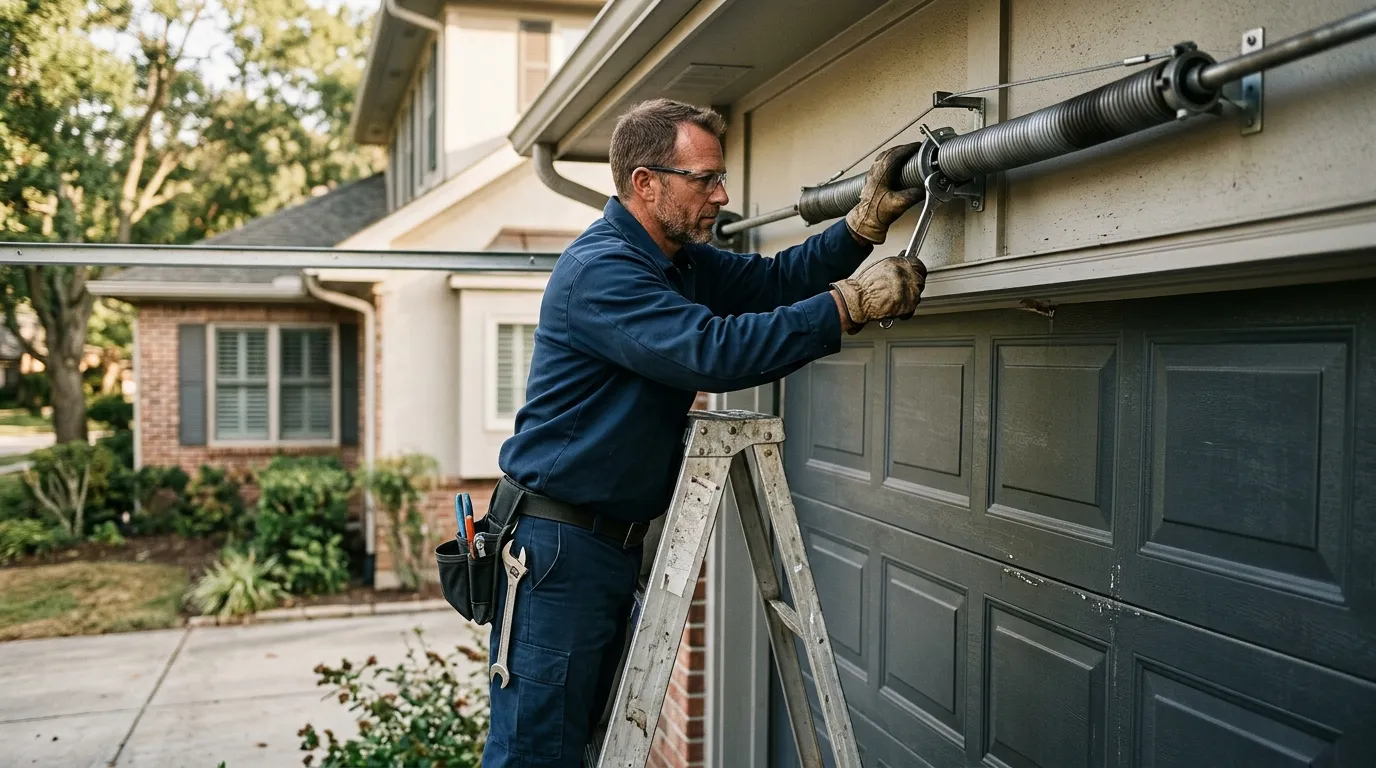
Talk to a Technician Before You Book
Describe what the door is doing and get a straight answer on what it likely needs.
Jobs Like Yours
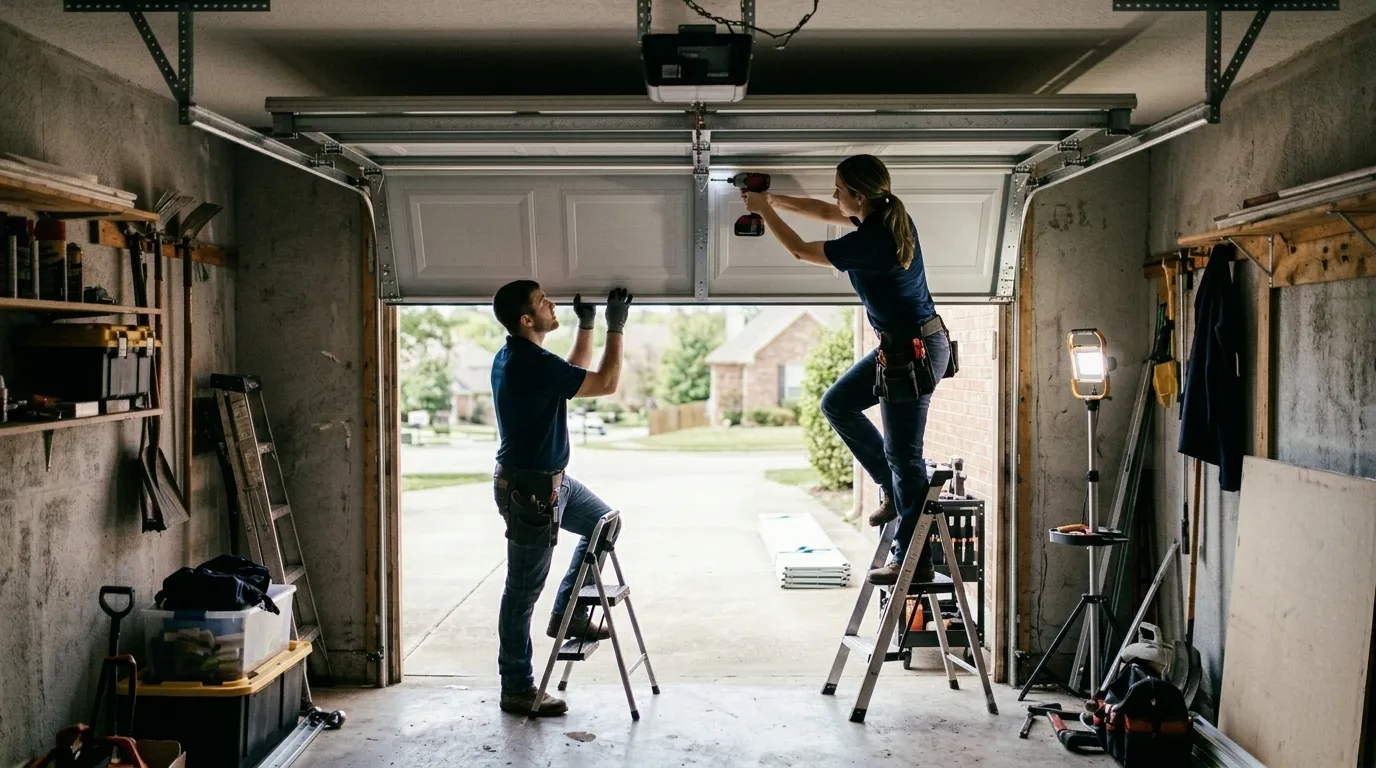
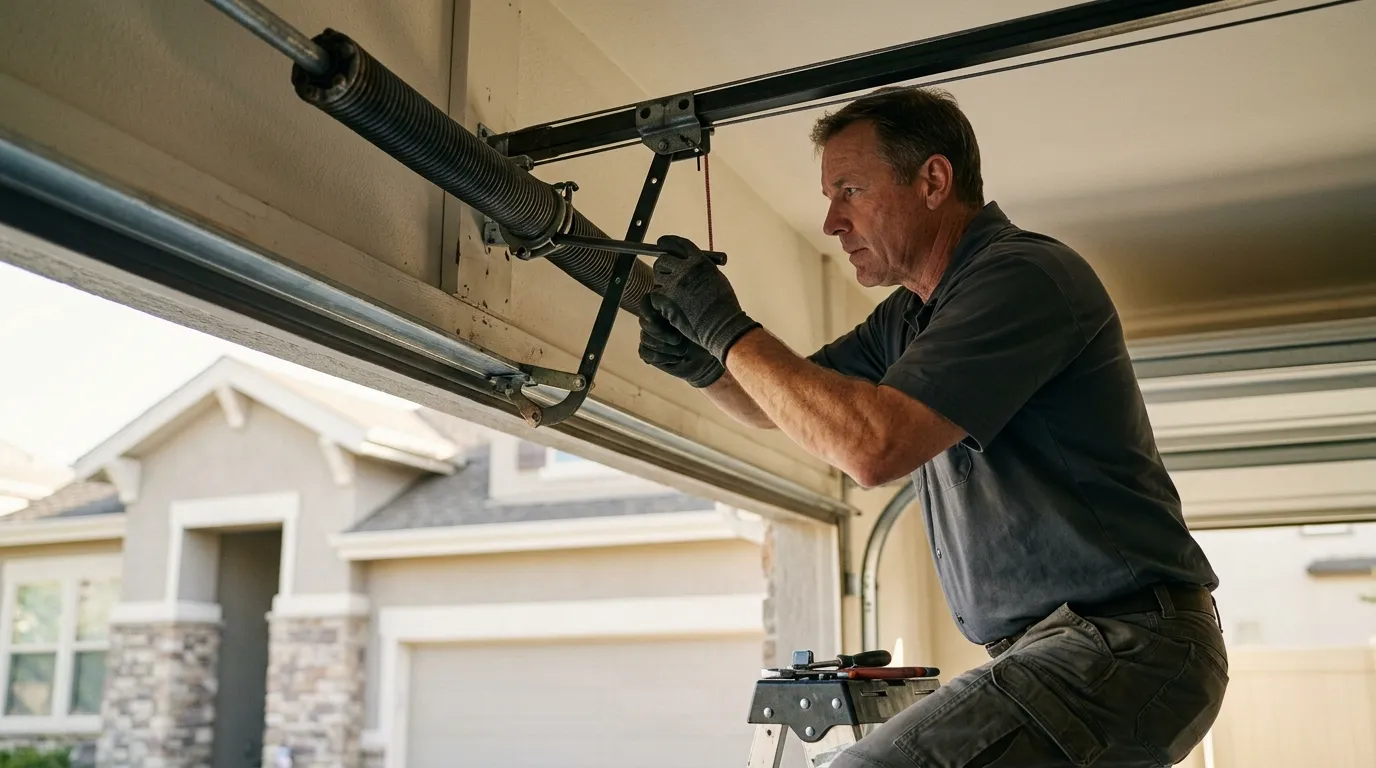
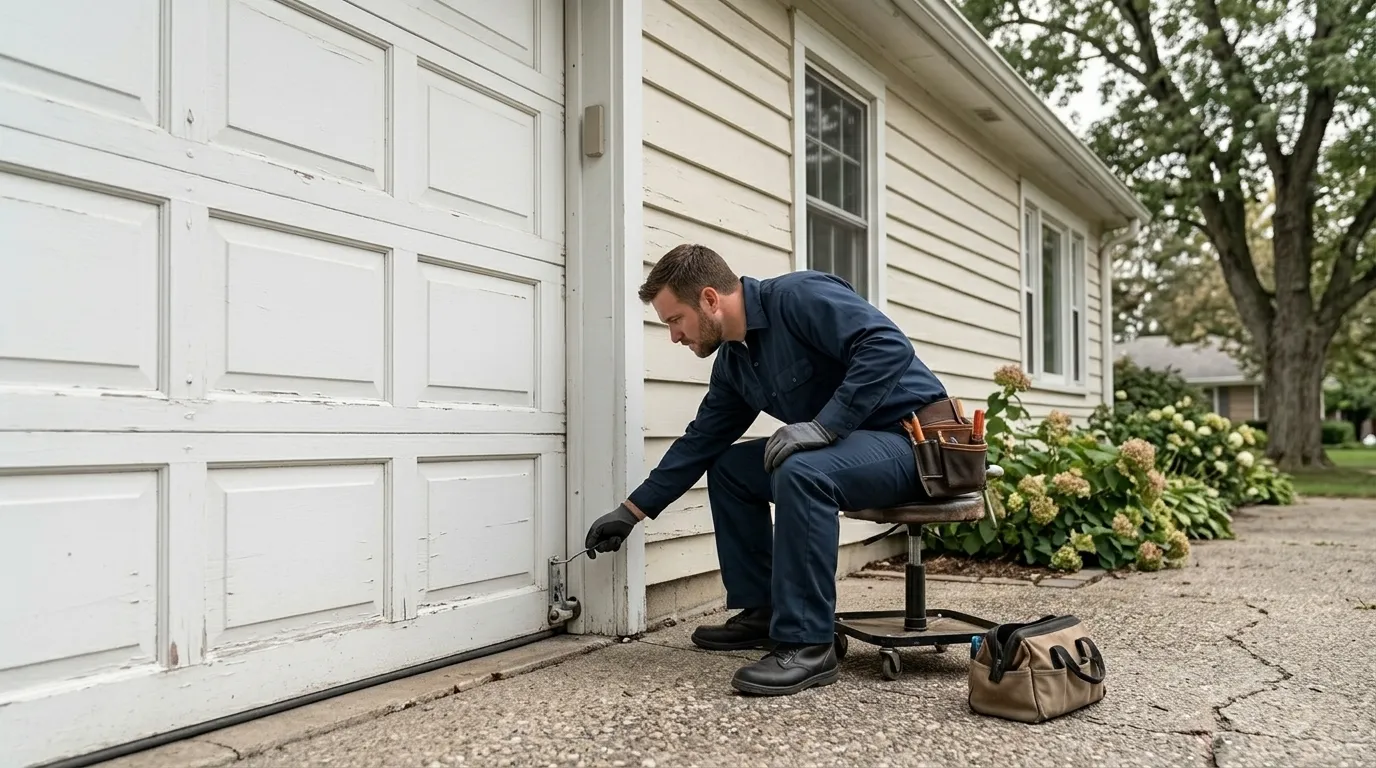
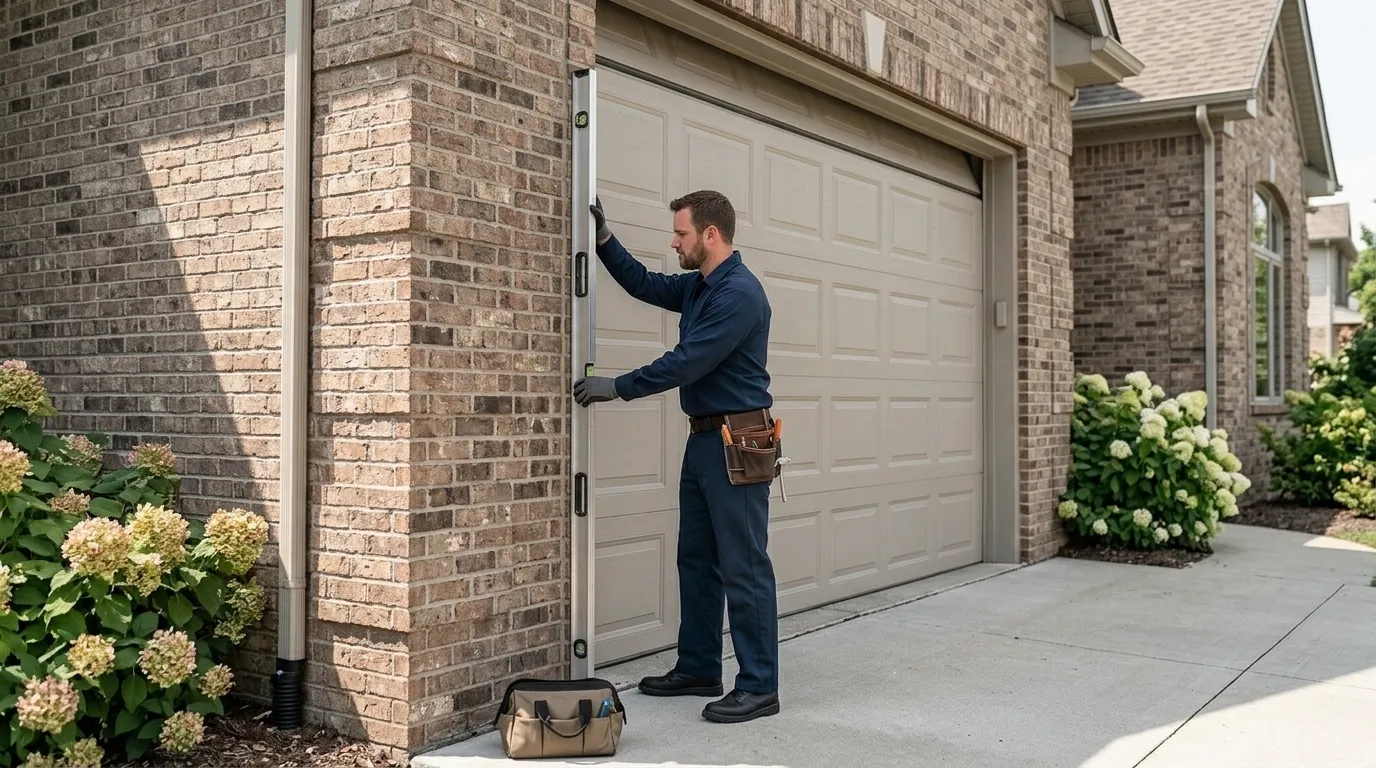
Recent work from this service line.
Why San Francisco Calls Us
Frequently Asked Questions
Can you match the panel on an older door instead of replacing the whole thing?
Often, yes. If the door is a common builder-grade model from the 1960s or 70s we can usually source a matching panel. If the manufacturer has discontinued that profile, we'll tell you honestly whether a close match will look right or whether full replacement makes more sense.
Why do panels crack or rust here without any obvious impact?
San Francisco's mild temperate climate skips the freeze-thaw damage colder areas get, but decades of fog and salt air work on steel seams and bolts slowly. Combined with housing stock that's mostly 40 to 80 years old, panel fatigue and rust are common without a single dramatic cause.
How do you decide between fixing one panel and replacing the whole door?
If one panel is damaged and the rest of the door, track, and hardware are sound, a single-panel swap is the cheaper and faster fix. If we find rust or cracking on multiple panels, especially on an original door from the 1940s-60s, we'll usually recommend full replacement instead.
Do you serve areas outside San Francisco proper?
We work across the wider Bay Area, including towns like Daly City, Sausalito, Colma, Brisbane, and Emeryville. Each area has its own page with local detail, but the panel replacement work itself is the same across the region.
Need Garage Door Panel Replacement, San Francisco?
Call now for straight answers on cost and timing.