
San Francisco, CA
Service
Garage Door Spring Repair, San Francisco
Broken torsion springs on San Francisco homes built 1938-1988 need parts matched to original hardware. Same-week booking across the Bay service area.
- Licensed & Insured
- Same-Area Service Calls
- Upfront Pricing
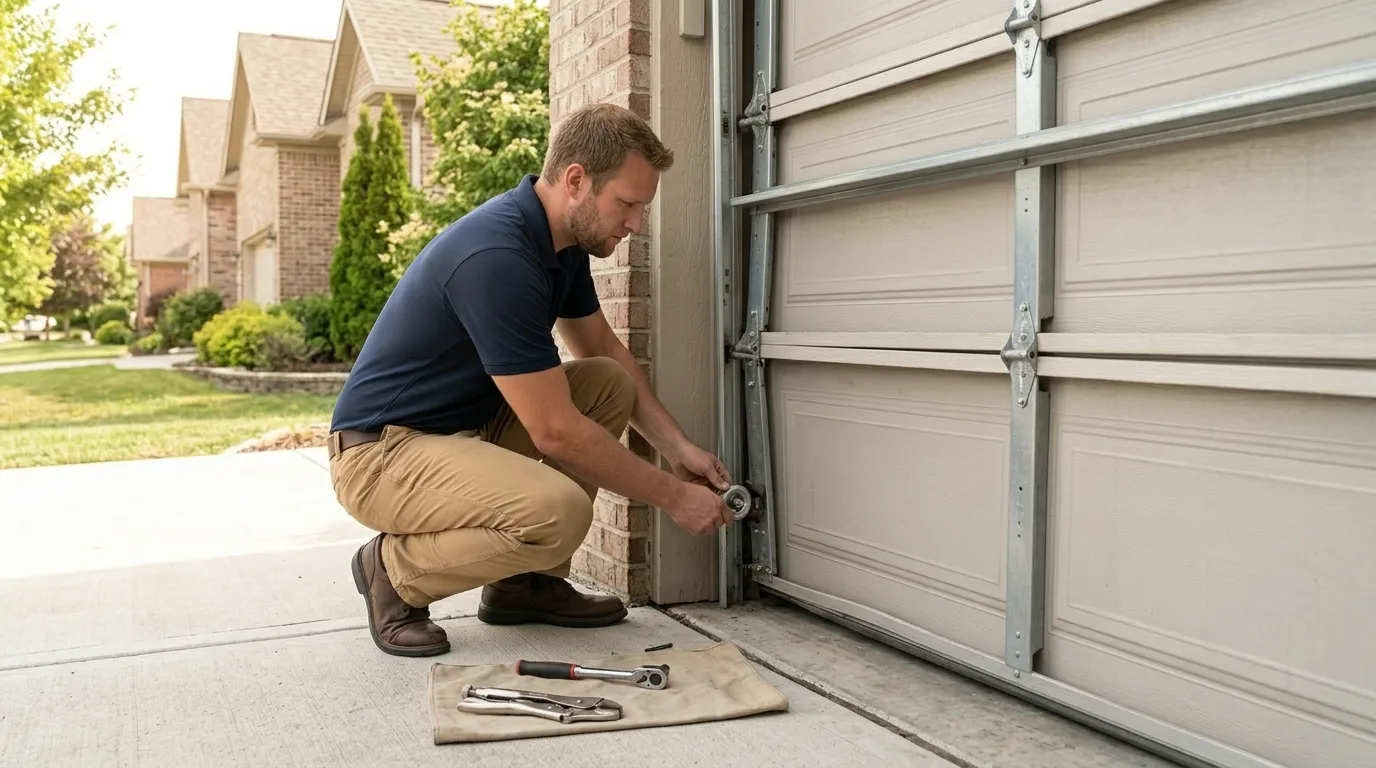
What Happens When You Call
-
1
Call or Request a Quote
Tell us what the door is doing and roughly how old the house is - that alone points us toward the likely part before a truck leaves.
-
2
On-Site Diagnosis
A tech checks the spring, cables, tracks, and opener in person and tells you plainly what is actually wrong.
-
3
Straight Price, No Surprises
You get a number before any work starts. It covers parts and labor, nothing added after the fact.
-
4
Fixed the Same Visit
Most repairs are done in one trip. If a part needs sourcing, we tell you that upfront instead of guessing.
Booking a Visit
Call and tell us the door won't lift, or it lifts crooked, or you heard a bang and now nothing moves. Those three descriptions cover almost every spring call we take across this service area of 449,915 households. We ask what year the house was built and whether the door is a single wide door or two smaller ones, because that changes which spring and which drum we bring on the truck.
If you already know your springs are torsion (a shaft above the door, mounted on brackets) versus extension (springs running along the horizontal tracks), say so - it saves a trip back for parts. We don't quote a spring job blind over the phone beyond a range; we confirm the exact spring size once we're looking at the shaft and the door weight. If the door is original to a house built in the 1960s, expect us to check the whole torsion assembly, not just the coil, since the bearings and cable drums from that era are usually worn to match.
What the Repair Takes
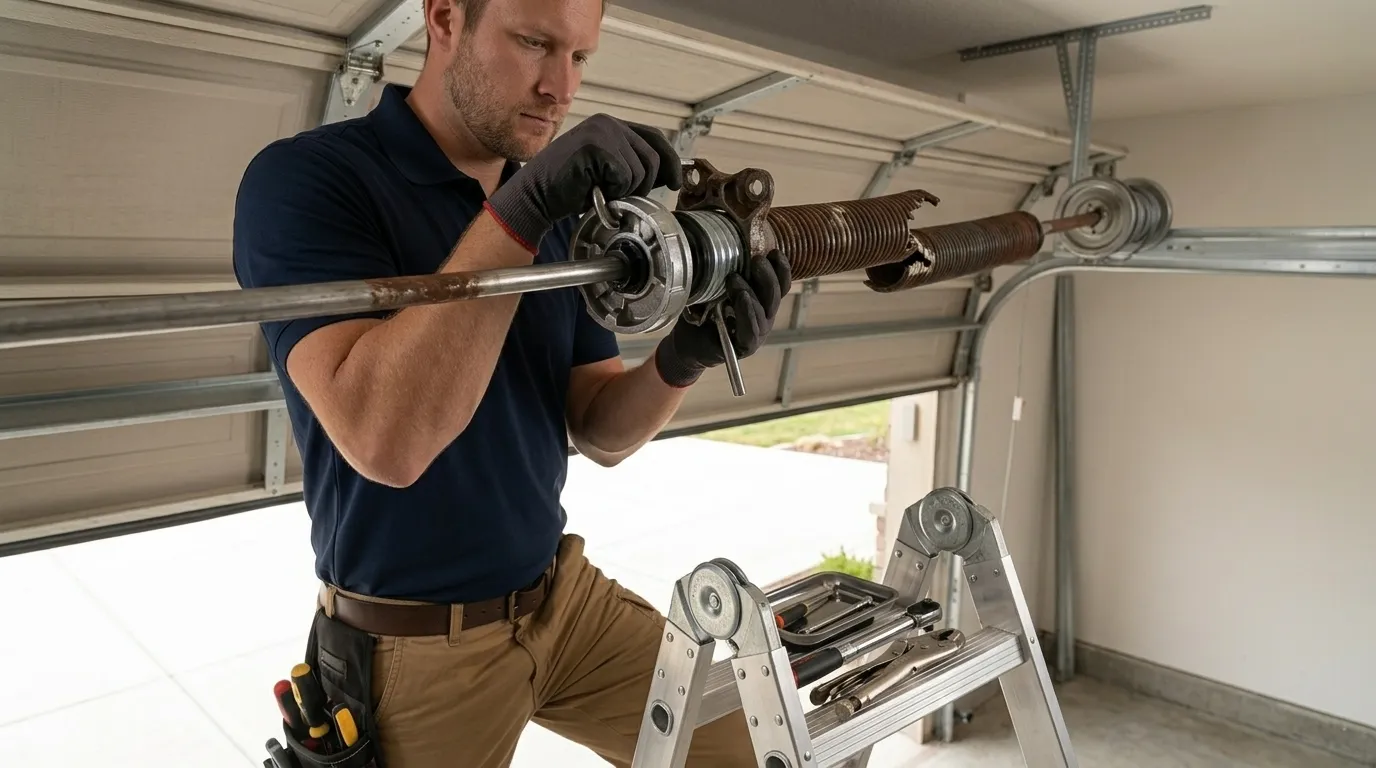
A torsion spring swap on a standard double door usually means winding down the old spring under tension, pulling the shaft, fitting new springs sized to the door's weight and height, and re-tensioning by hand with winding bars - not a job to do yourself, and not one we rush. Extension springs, more common on older single-car doors from the 1938-1988 building stock we see across this area, come off the tracks faster but need new safety cables run through the coil, since older installs often don't have them. Parts availability is the honest limitation here: original one-piece doors from the 1960s sometimes ran nonstandard shaft sizes or drum widths that current stock doesn't match exactly, and on those we adapt with a compatible bracket setup rather than promise an exact factory replacement.
Most spring jobs finish in one visit. If the opener has been straining against a broken spring for weeks, we check the gears and drive belt too, since that's the second failure a bad spring usually drags down with it.
Why It Happens Here
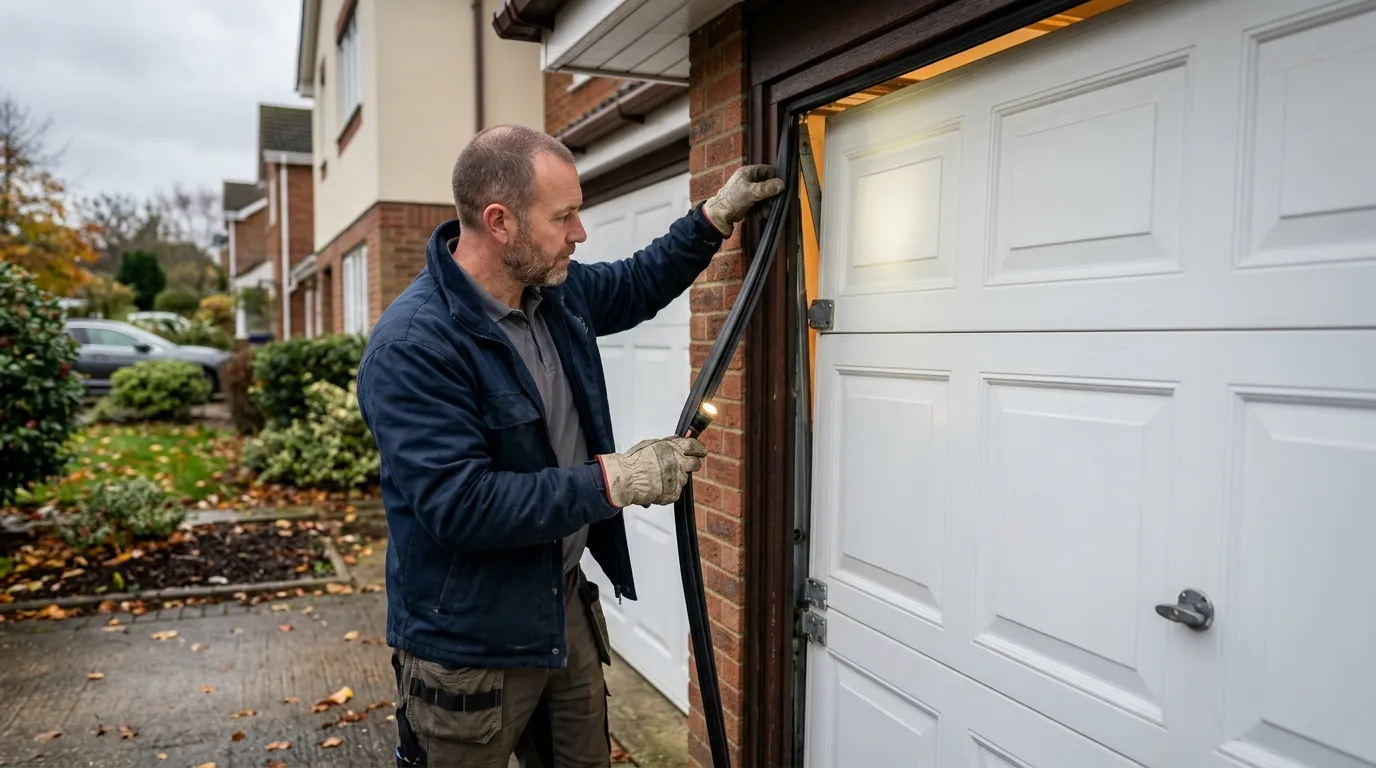
Housing across this area was mostly built between 1938 and 1988, with the median around 1962, and that era of garage door hardware is exactly what fails now: torsion springs rated for 20-25 years are well past due everywhere, and single-wall steel doors from those decades put more strain on the spring per cycle than today's insulated doors do. The mild temperate climate here doesn't add the freeze-thaw stress that cracks springs in colder regions, but it also means owners often go decades without a reason to look at the hardware - no winter callout, no obvious trigger, until the coil finally lets go on an ordinary Tuesday. With household income across the area at a median of $152,131, most owners we see choose to replace rather than patch a spring that's clearly original, especially once we show them the corrosion on a 60-year-old winding cone.
What You Are Seeing
The door won't budge, or it moves a few inches and stops - that's a snapped torsion spring, and the opener isn't strong enough to lift the door alone. A door that lifts unevenly, dragging one side higher than the other, usually means one spring broke on a two-spring double-door setup while the other is still holding. A loud bang from the garage with no warning beforehand is almost always the spring itself failing, not the opener or the track.
If you see a gap in the coil near the stationary cone, or the shaft has shifted a few inches to one side, don't run the opener again - it can drop the door suddenly or snap a cable. Grinding or extra effort from the opener, without any visible spring damage, sometimes means the spring is weakening rather than broken, which is worth a look before it fails all the way.
Talk to a Technician Before You Book
Describe what the door is doing and get a straight answer on what it likely needs.
Jobs Like Yours
Recent work from this service line.
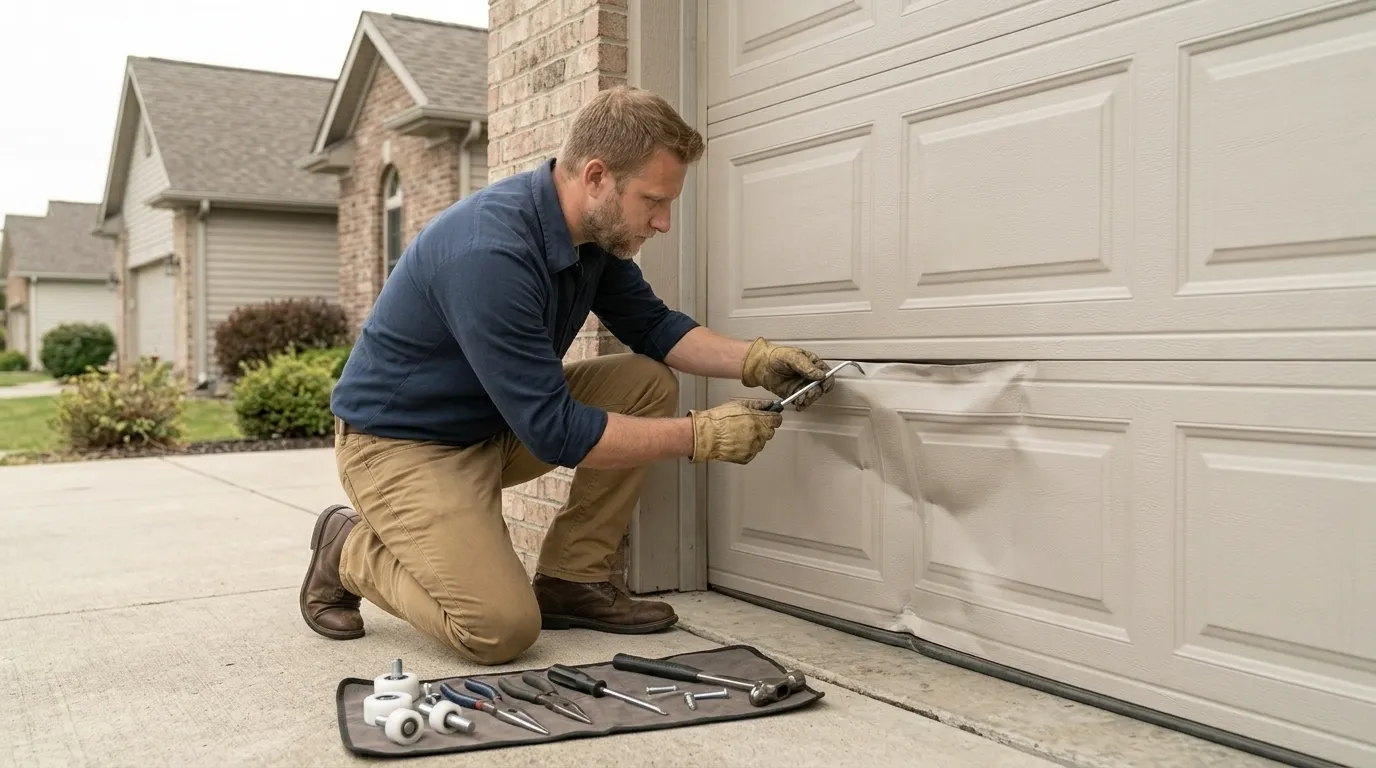
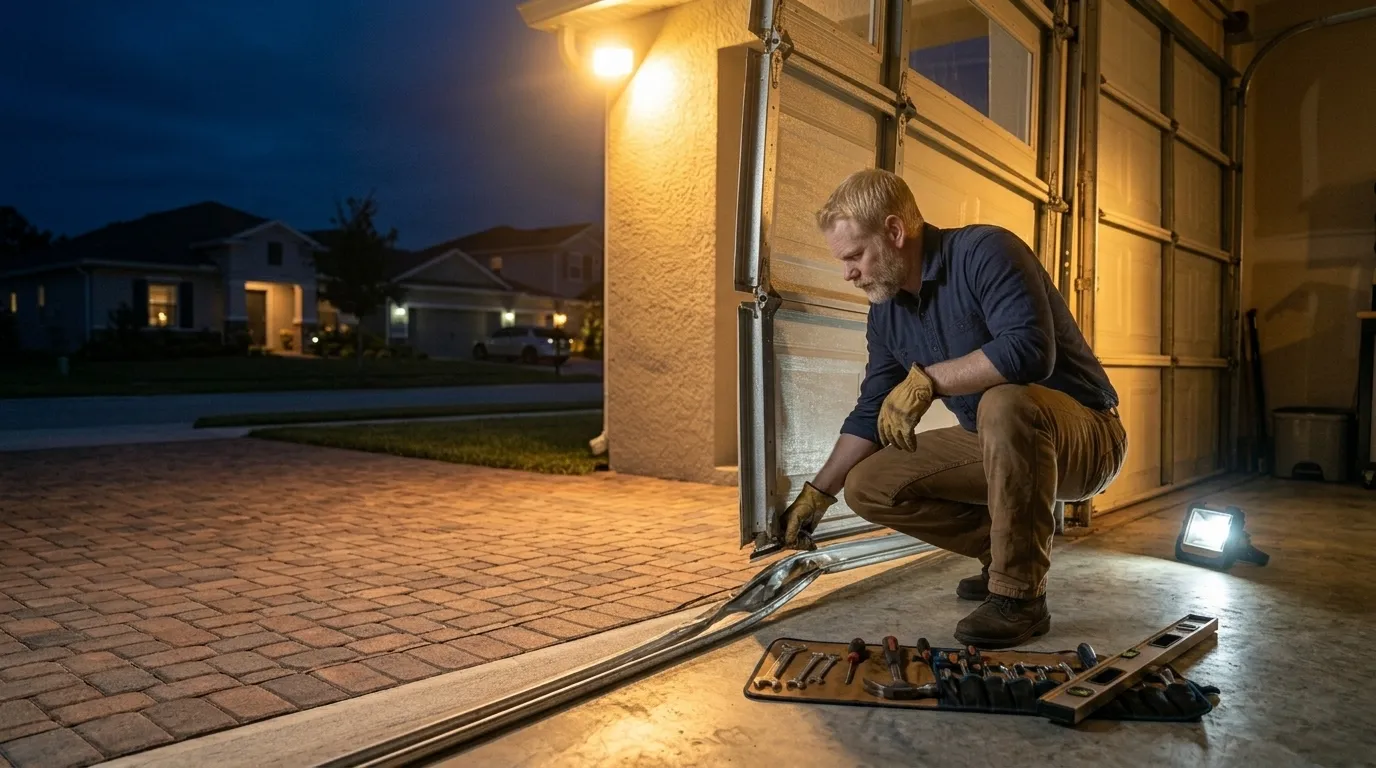
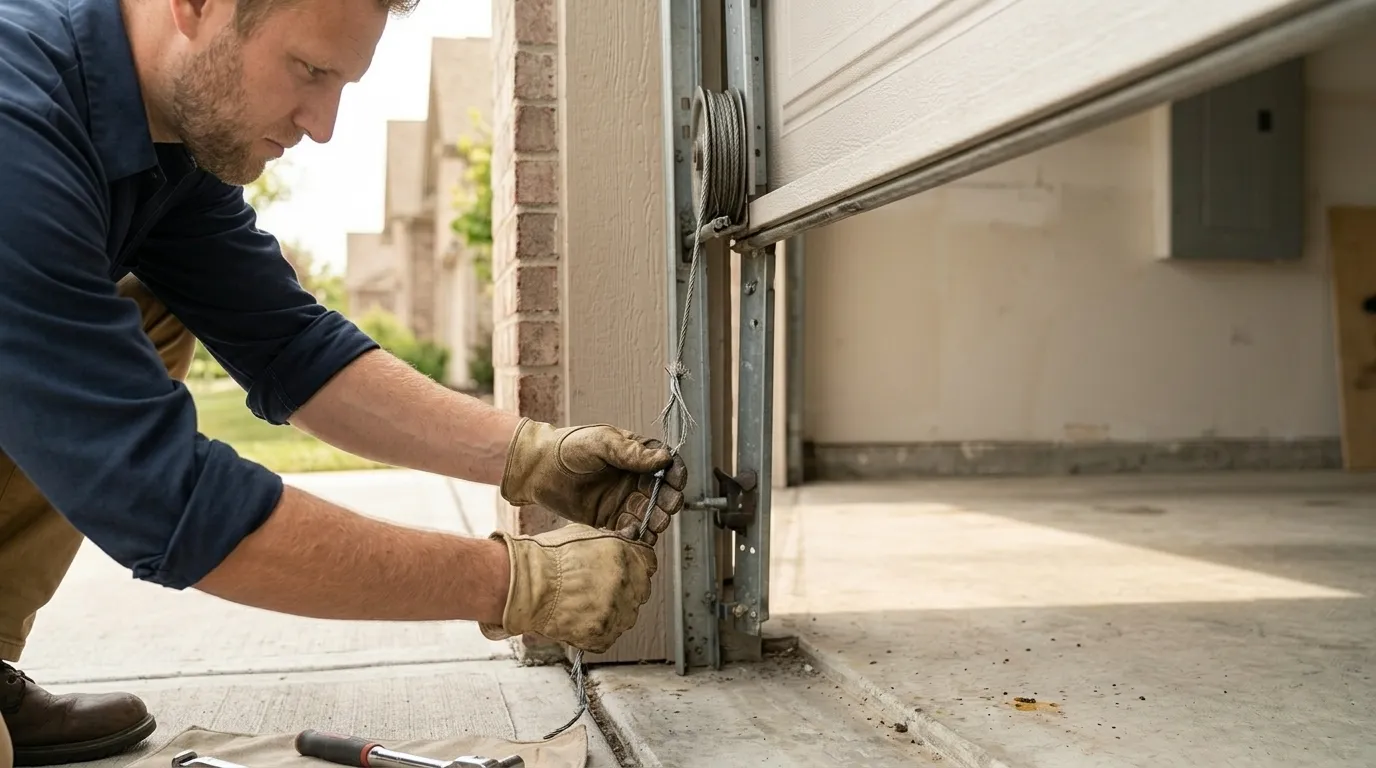
Why San Francisco Calls Us
Frequently Asked Questions
How much does a broken torsion spring cost to fix in San Francisco?
It depends on door weight, spring size, and whether one or two springs need replacing, plus whether the drums or bearings are also worn. We give a firm number after we look at the shaft and door in person, not a blind phone quote.
Can I just replace the one spring that broke?
On a two-spring double door, we recommend replacing both, since the second spring is usually the same age and close to failing too. On a single-spring setup, if the door and hardware are otherwise sound, replacing just that spring is reasonable.
Is it safe to open the door manually until the repair?
Only briefly, and carefully. With a broken spring the door is much heavier to lift by hand and can drop suddenly. Prop it open if you must get a car out, but don't leave it half-open unattended, and don't run the opener against a broken spring.
Why did my spring break with no warning?
Torsion springs fail from metal fatigue after tens of thousands of open-close cycles, not from a single event. Houses built decades ago with original hardware are due for this regardless of how carefully the door's been used.
Need Garage Door Spring Repair, San Francisco?
Call now for straight answers on cost and timing.