
San Francisco, CA
San Francisco Garage Door Guide
What We Check First on a San Francisco Garage Door
San Francisco garages mostly date to 1962. Here's what a technician checks first on that hardware, and why the mild climate changes what actually fails.
- Licensed & Insured
- Same-Area Service Calls
- Upfront Pricing
The Situation
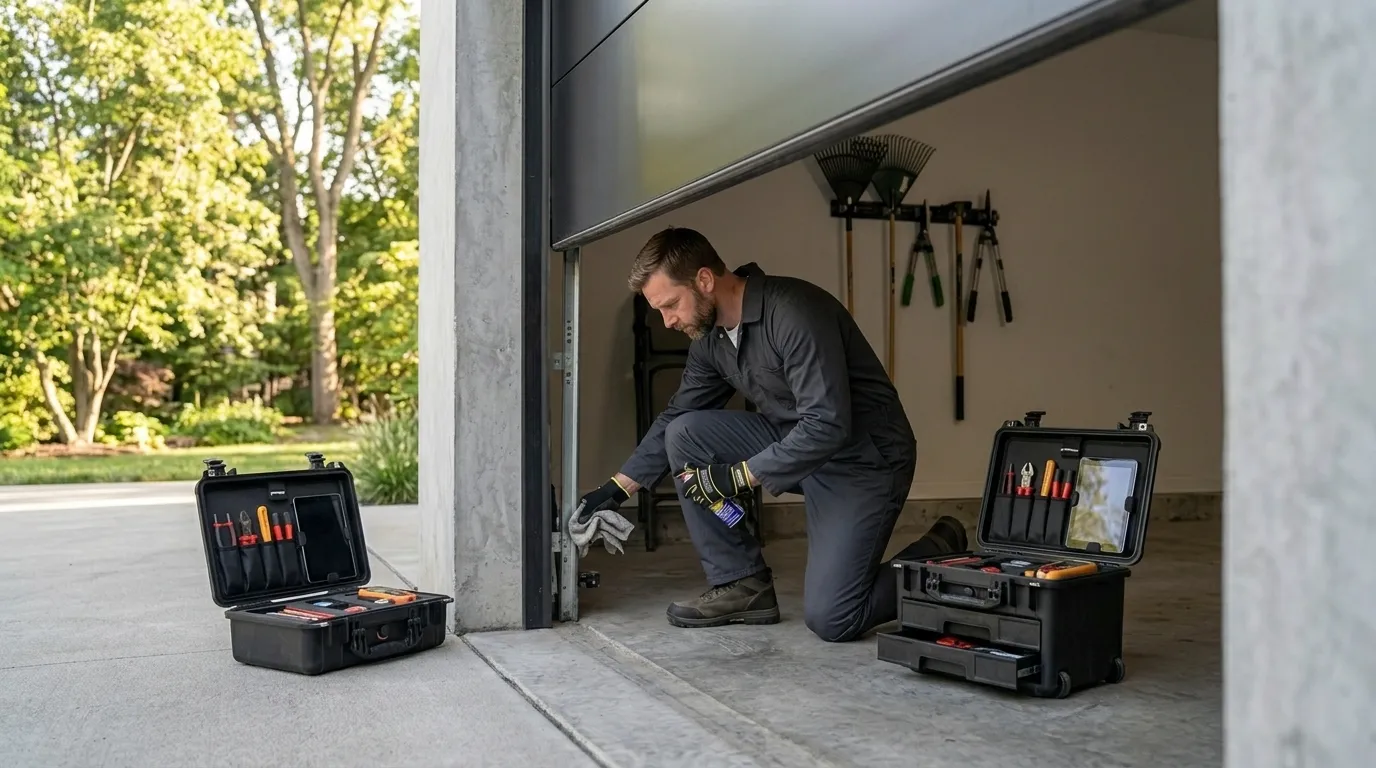
Most of the garages we get called to sit on houses built between 1938 and 1988, with the median right around 1962. That's not a small range - it spans three or four different eras of door hardware, and it shows up the moment we lift the panel. A door on a house from the early 60s often still has its original track brackets and a spring size that nobody stocks on the truck as a standard item anymore.
Across the 52 named areas that make up this stock, the pattern holds: mostly 1960s and 70s construction, meaning the first thing we check isn't the opener, it's the era. We look at the track gauge, the drum size on the torsion spring, and whether the header has been touched since the house was framed. A door that's never been upgraded tells you a lot before you even open it - the cable routing, the hinge spacing, the way the panels are gauged all point to when the garage went in.
Skipping that step and going straight to "replace the spring" is how a job that should take an hour turns into two, because the replacement part doesn't match what's actually on the wall.
We check the era first because it decides everything that comes after it.
What the Weather Here Does to It
San Francisco sits in a mild temperate band - no hard freezes, no long stretches of extreme heat. That matters because it rules out the failure modes a tech in a harsher climate checks for first: cracked panels from freeze-thaw, warped tracks from heat expansion, weatherstripping torn out by ice.
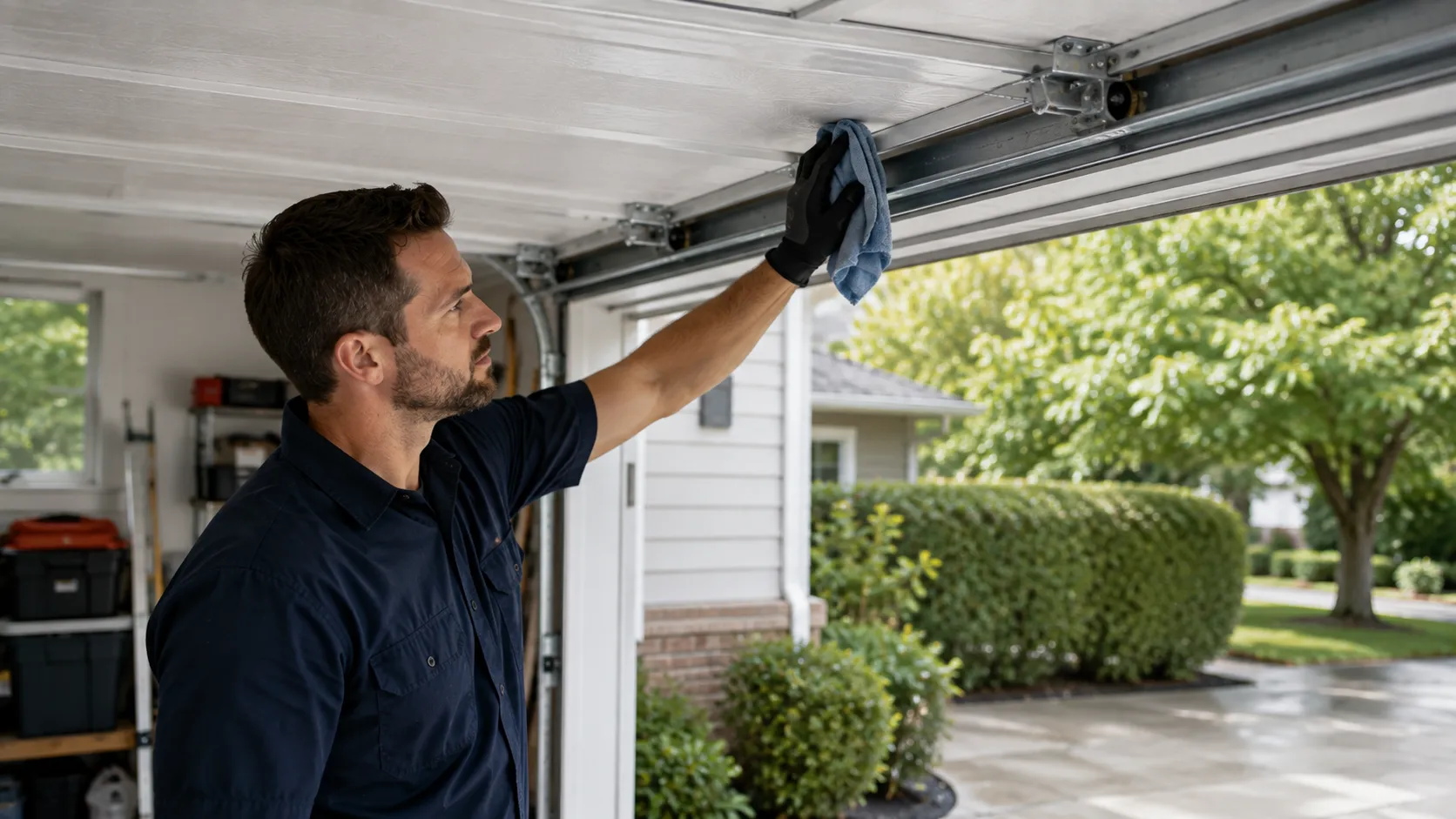
We don't see those. What we do see is straightforward fatigue - a torsion spring that's been cycling for fifty or sixty years of decade-appropriate use, rollers that dried out because nobody ever re-lubricated them, cables that stretched slowly rather than snapping from cold shock.
So the check changes. Instead of inspecting for weather damage, we're inspecting for cycle count and lubrication history. On a house from the 1962 median, that spring has done a lot of open-close cycles without the stress relief a colder or hotter climate would have forced through seasonal contraction and expansion.
It just wears steadily, the same way year-round, which means by the time it fails, it fails all at once rather than showing cracks first. That's the thing to catch early - a spring on a mid-century door that hasn't been serviced doesn't warn you the way weather-stressed hardware in other climates does.
The Cost of This Job
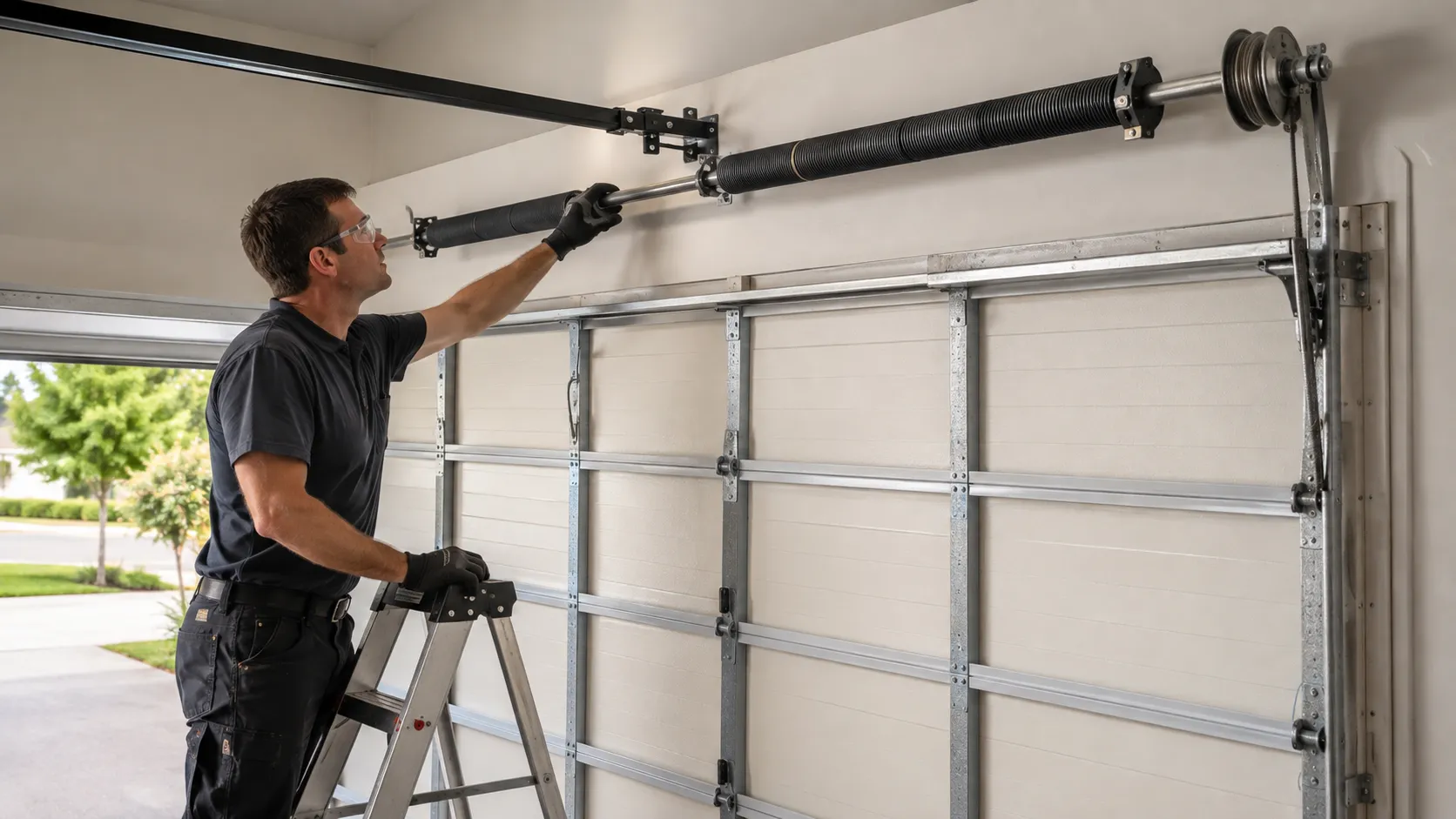
What drives the number on a San Francisco job isn't labor time so much as whether the hardware on the door still matches anything on a supplier's shelf. A door from the 1962 median often runs a track width or spring drum size that's been superseded twice over, and matching it can mean a longer wait on the part than the actual repair takes. That's the honest limitation here: if your door is original to a house built in that mid-century wave, we may not have the exact bracket on the truck, and we'll tell you that rather than force a part that's close but not right.
The other factor is the repair-versus-replace call. With median household income across the service area at $152,131, a lot of owners we work with can go either way on that decision, and we'd rather lay out both numbers than push one.
If the opener and track are original 1960s stock and the spring just failed, sometimes patching it costs more over five years than replacing the whole assembly once. We check the age of every major part before quoting, because guessing on a house this old costs the homeowner more than it costs us.
The Seasonal Bit
Because the climate here stays in that mild temperate band year-round, we don't get the winter call spike that garages see in places with real cold. No ice-locked doors, no cars that won't start pulling a frozen cable loose. What we get instead is a steady trickle of the same issue all year: spring fatigue and dried-out rollers on doors that have been running since the 1960s and 70s without anyone touching the hardware.
That steadiness is worth knowing if you're trying to time a service call. There's no bad season to get ahead of it and no good season either - the door doesn't care what month it is, it cares how many cycles it's logged.
The one seasonal thing worth checking is lubrication, since it dries out on its own schedule regardless of outside temperature. If your door was built anywhere near that mid-century wave and hasn't had the springs and rollers looked at in a few years, that's the check worth booking, not one tied to a season at all.
How We Can Help
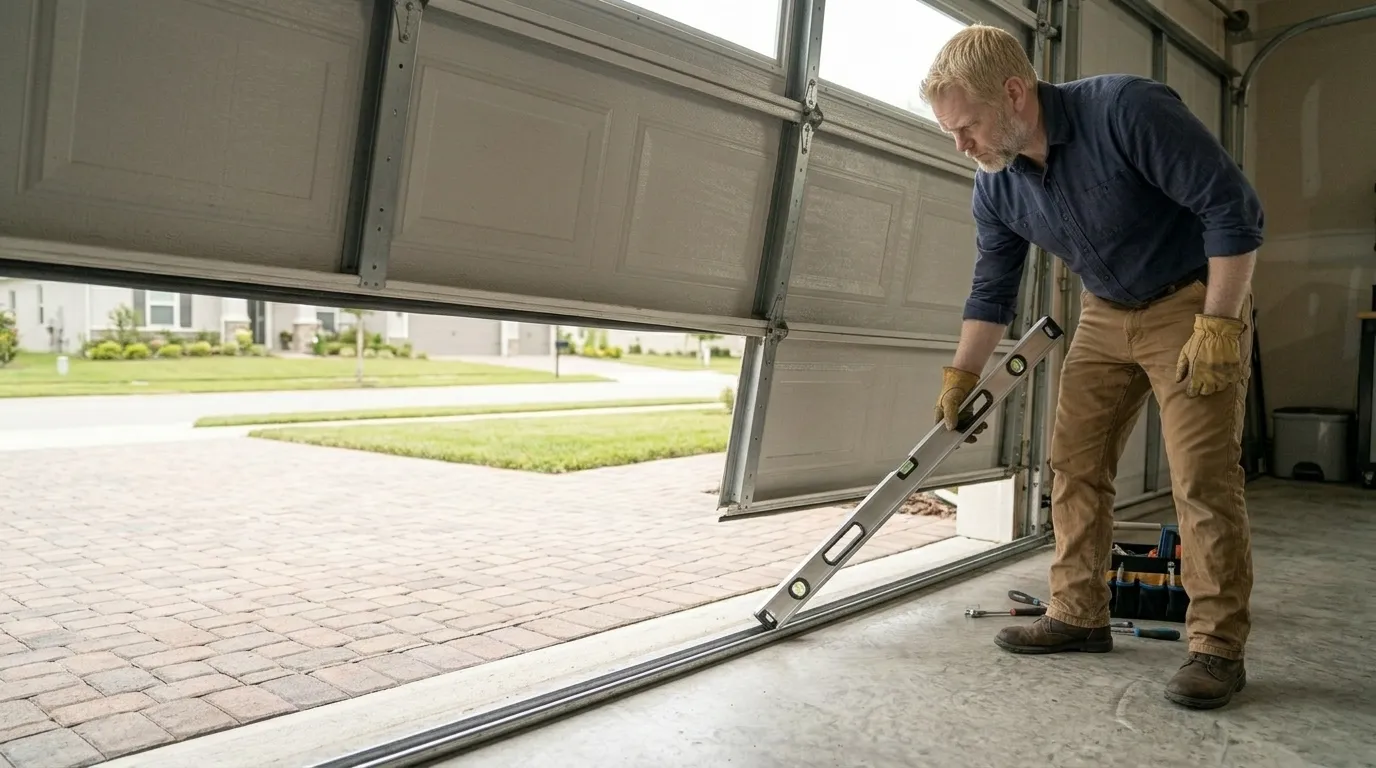
Garage Door Spring Repair
Broken torsion and extension springs replaced and the door rebalanced in the same visit.
Learn more →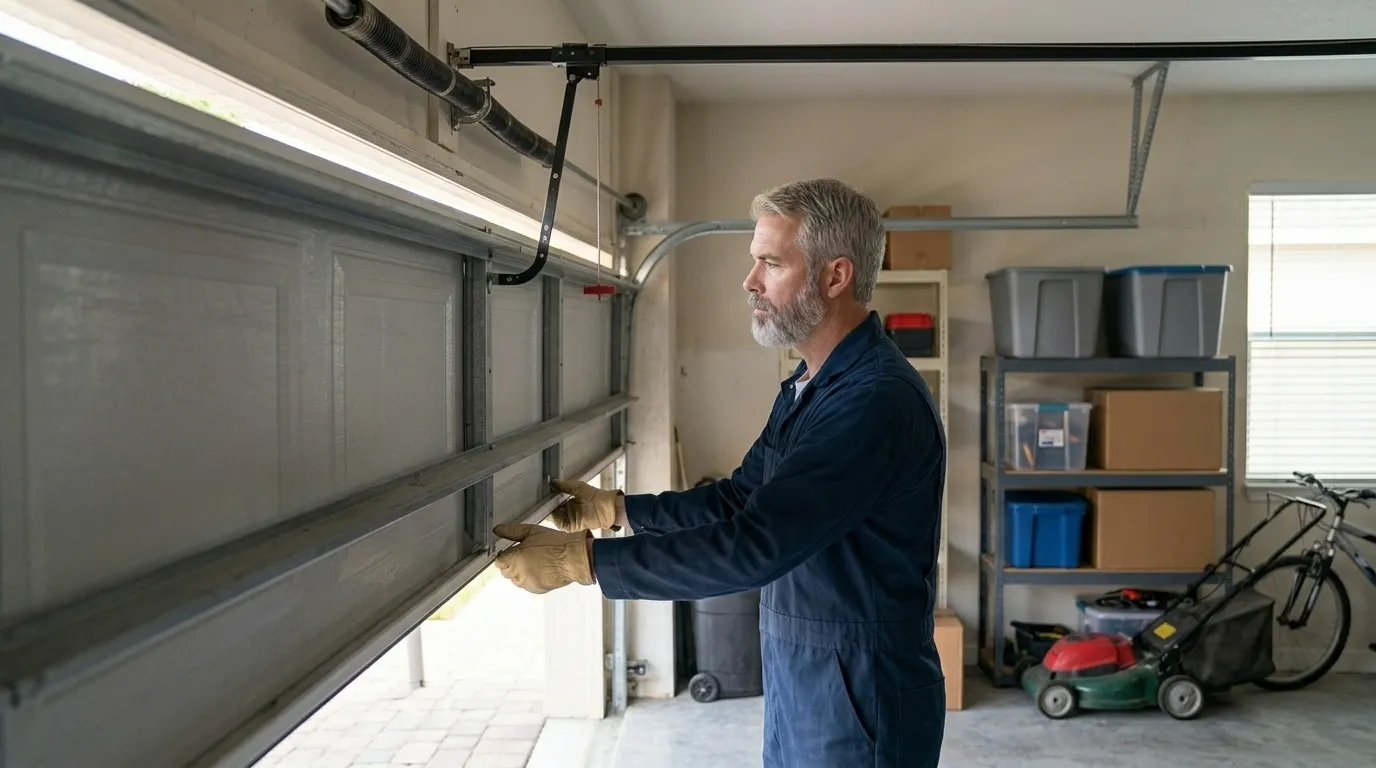
Garage Door Panel Replacement
Dented or cracked panels swapped without replacing the whole door where the frame is sound.
Learn more →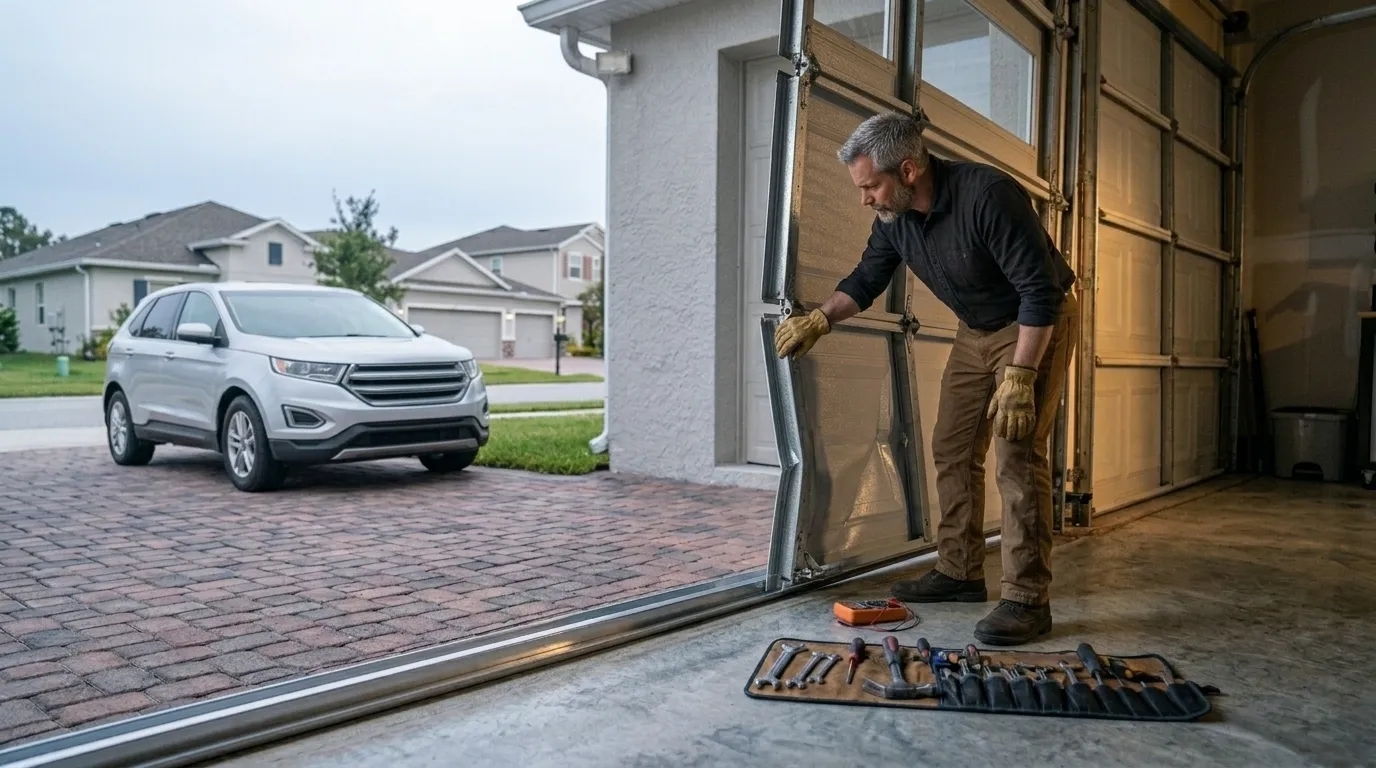
Garage Door Repair
Springs, cables, tracks, rollers, and openers fixed by a tech who explains the problem before touching anything.
Learn more →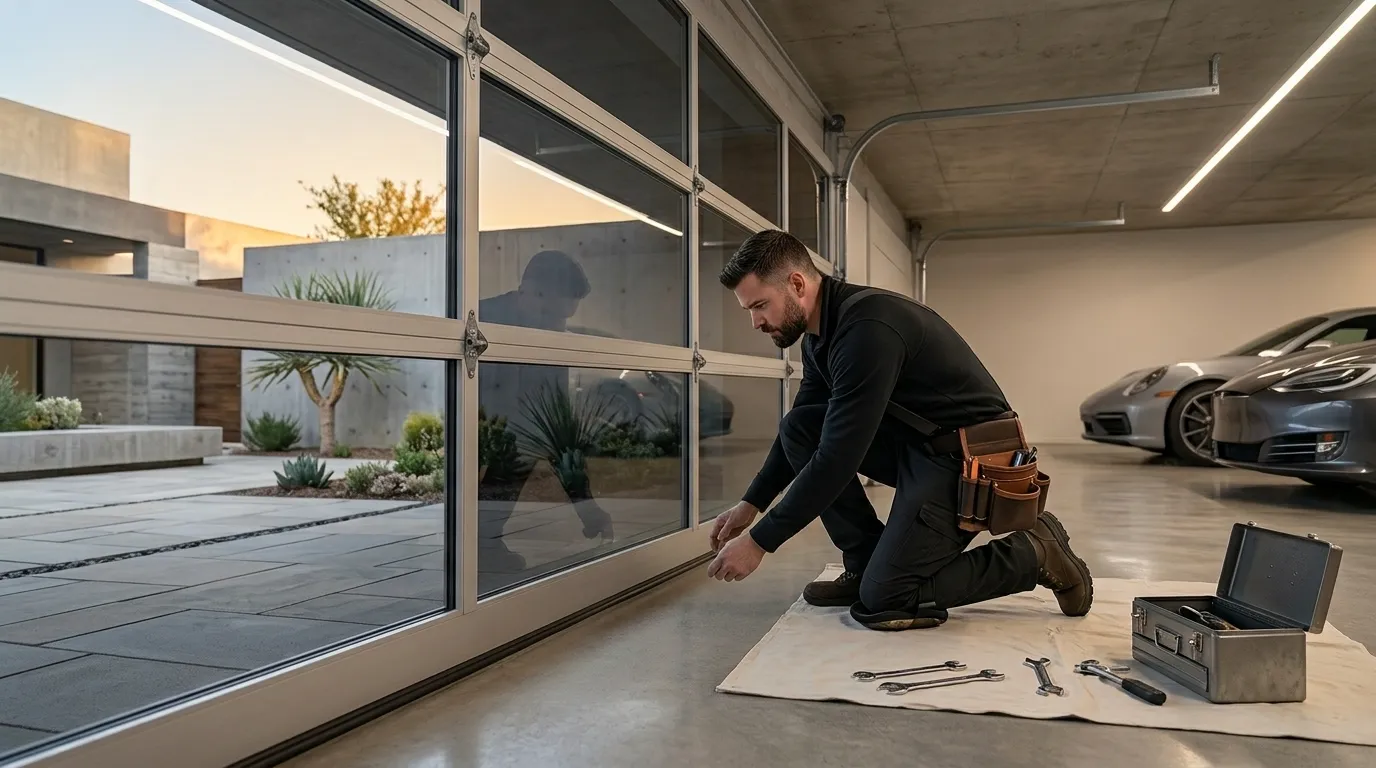
Garage Door Service
Tune-ups, lubrication, and safety checks that catch a small problem before it becomes a service call.
Learn more →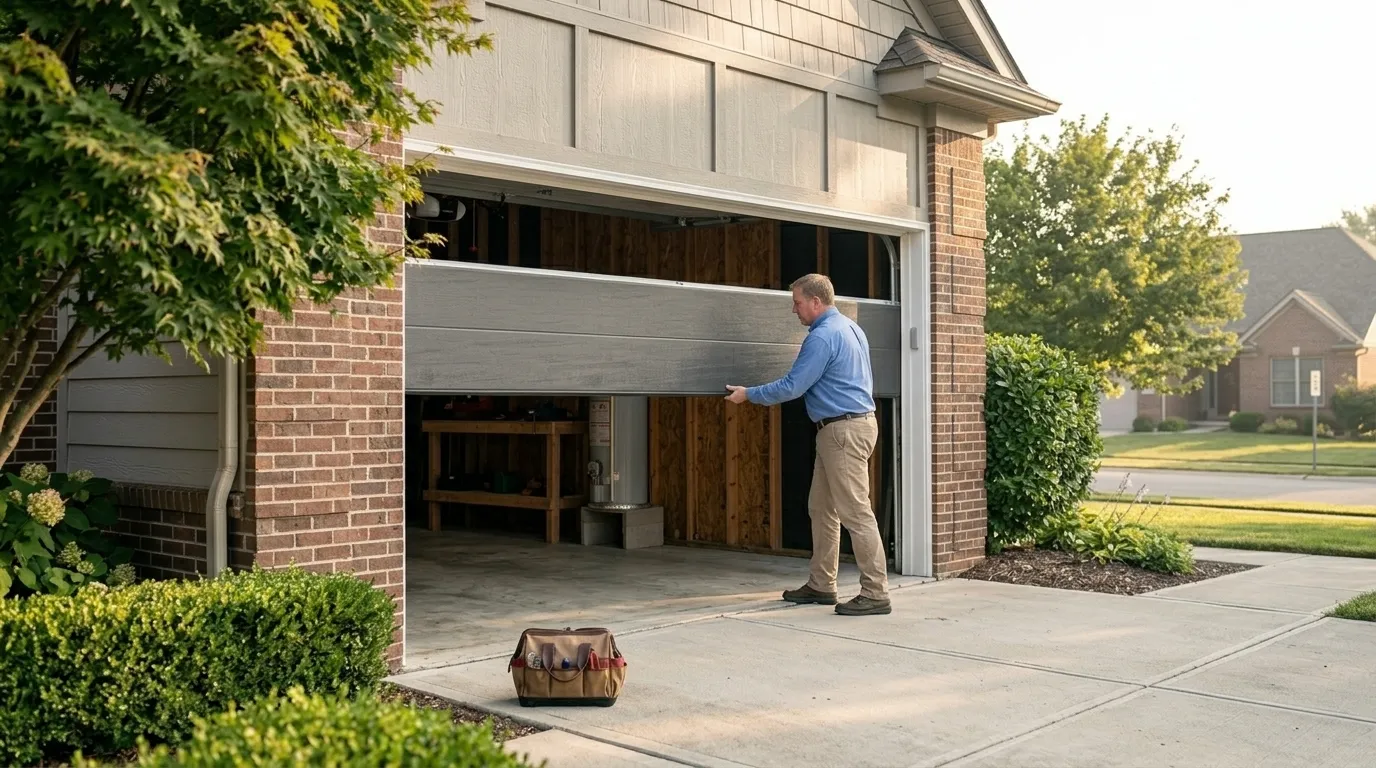
Garage Door Maintenance
Garage Door Maintenance handled by trained, insured local technicians with upfront pricing.
Learn more →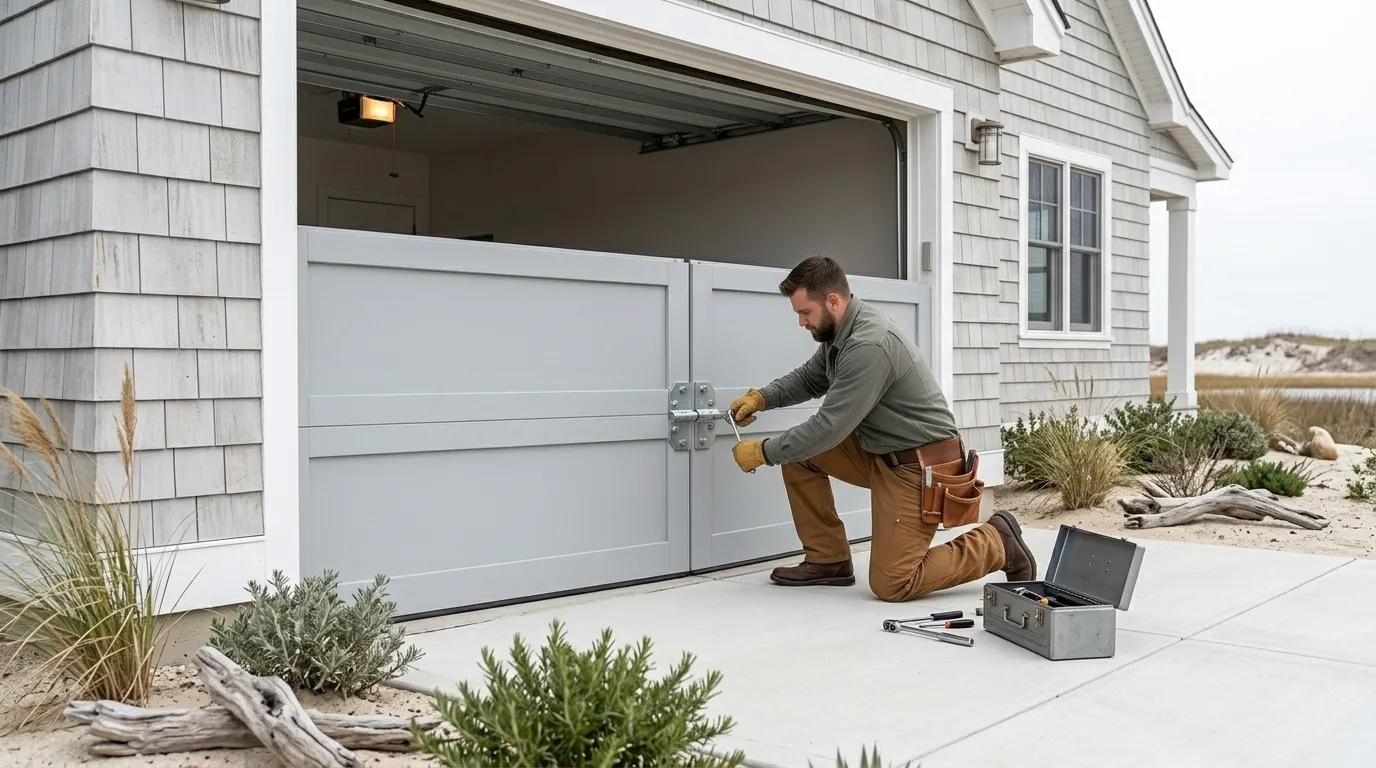
Garage Door Roller Replacement
Worn, noisy rollers swapped for smooth nylon ones so the door runs quiet.
Learn more →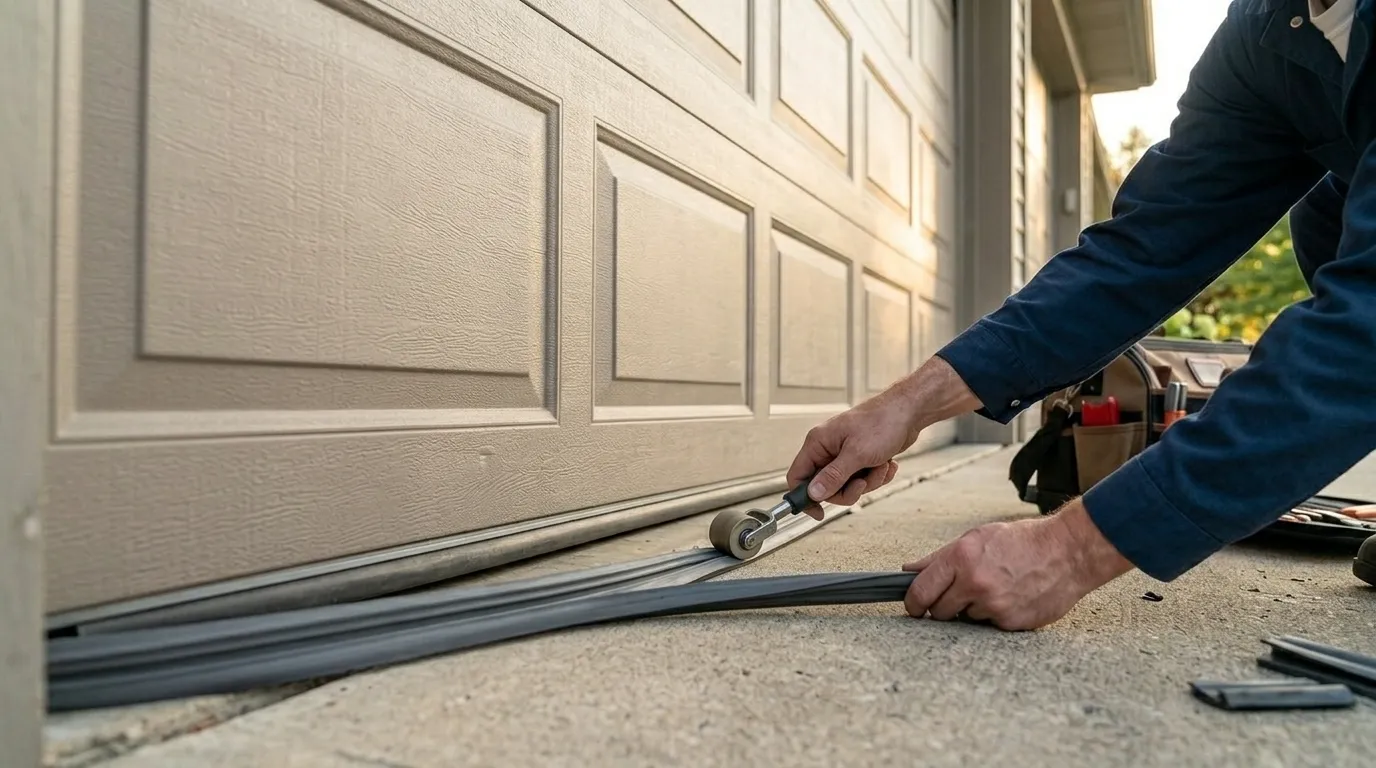
Garage Door Installation
New sectional doors sized and installed for the housing stock actually built in this area.
Learn more →
Commercial Garage Door
Commercial Garage Door handled by trained, insured local technicians with upfront pricing.
Learn more →Frequently Asked Questions
My house was built in the 1960s - is my garage door hardware original?
Possibly. Most of the housing stock across this service area dates to 1938 through 1988, with a lot of it clustered in the 1960s and 70s. If nobody's mentioned a garage door replacement, there's a real chance the track and spring are original to the house, which changes what parts we need to bring.
Does San Francisco's climate cause garage door problems?
Not the kind you'd see in a place with hard freezes or heavy heat. This area sits in a mild temperate band, so the door doesn't get stressed by seasonal expansion and contraction. What fails instead is straightforward wear - springs that have logged decades of cycles and rollers that dried out from lack of lubrication, not weather damage.
Is it cheaper to fix the spring or replace the whole door?
Depends on the age of the rest of the hardware. If the track and opener are original to a mid-century build, patching just the spring can mean paying again soon after for something else. We check the full assembly's age before quoting so you're deciding on real information, not a guess.
Have a Door That Needs a Second Opinion?
Call and describe what it is doing - we will tell you what it likely is.