
San Francisco, CA
Maintenance & Tune-Up in Daly City
Keeping a 1960s Daly City Garage Door Working Right
Daly City's garage doors mostly date to the mid-1960s. We service the original torsion hardware and galvanized track that's still on most of these houses.
- Licensed & Insured
- Same-Area Service Calls
- Upfront Pricing
What Happens When You Call
-
1
Call or Request a Quote
Tell us what the door is doing and roughly how old the house is - that alone points us toward the likely part before a truck leaves.
-
2
On-Site Diagnosis
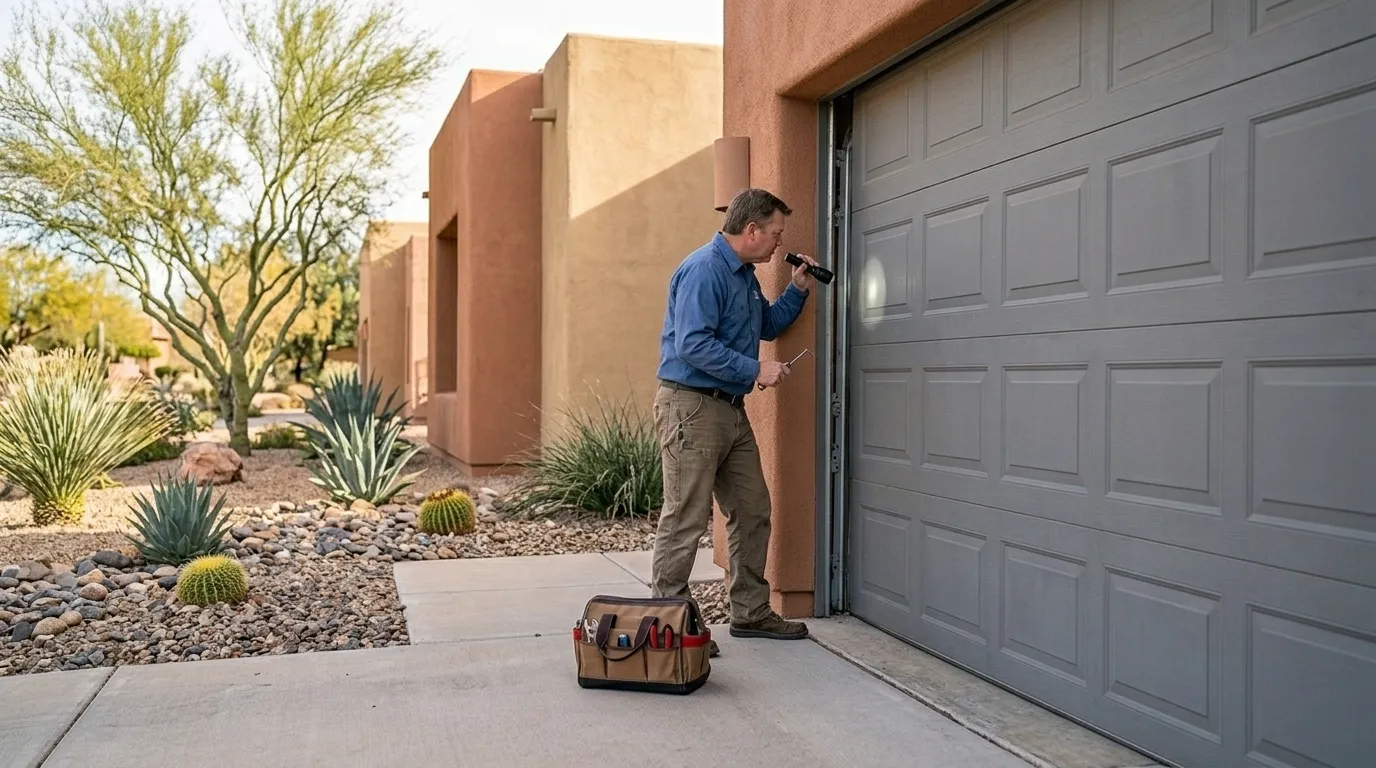
A tech checks the spring, cables, tracks, and opener in person and tells you plainly what is actually wrong.
-
3
Straight Price, No Surprises
You get a number before any work starts. It covers parts and labor, nothing added after the fact.
-
4
Fixed the Same Visit
Most repairs are done in one trip. If a part needs sourcing, we tell you that upfront instead of guessing.
What Can Go Wrong
The most common call we get from Daly City is a door that's gotten loud or heavy to lift by hand, and it almost always traces back to age rather than abuse. The typical house here went up around 1965, which means the garage door hardware on a lot of these homes has had sixty years to accumulate wear: dry rollers, a torsion spring that's lost tension, or a track that's shifted a few millimeters out of plumb from decades of settling.
That build year matters more than people think. Doors and openers from that era weren't engineered with today's safety sensors or galvanized cable, so when something fails, it can fail without warning.
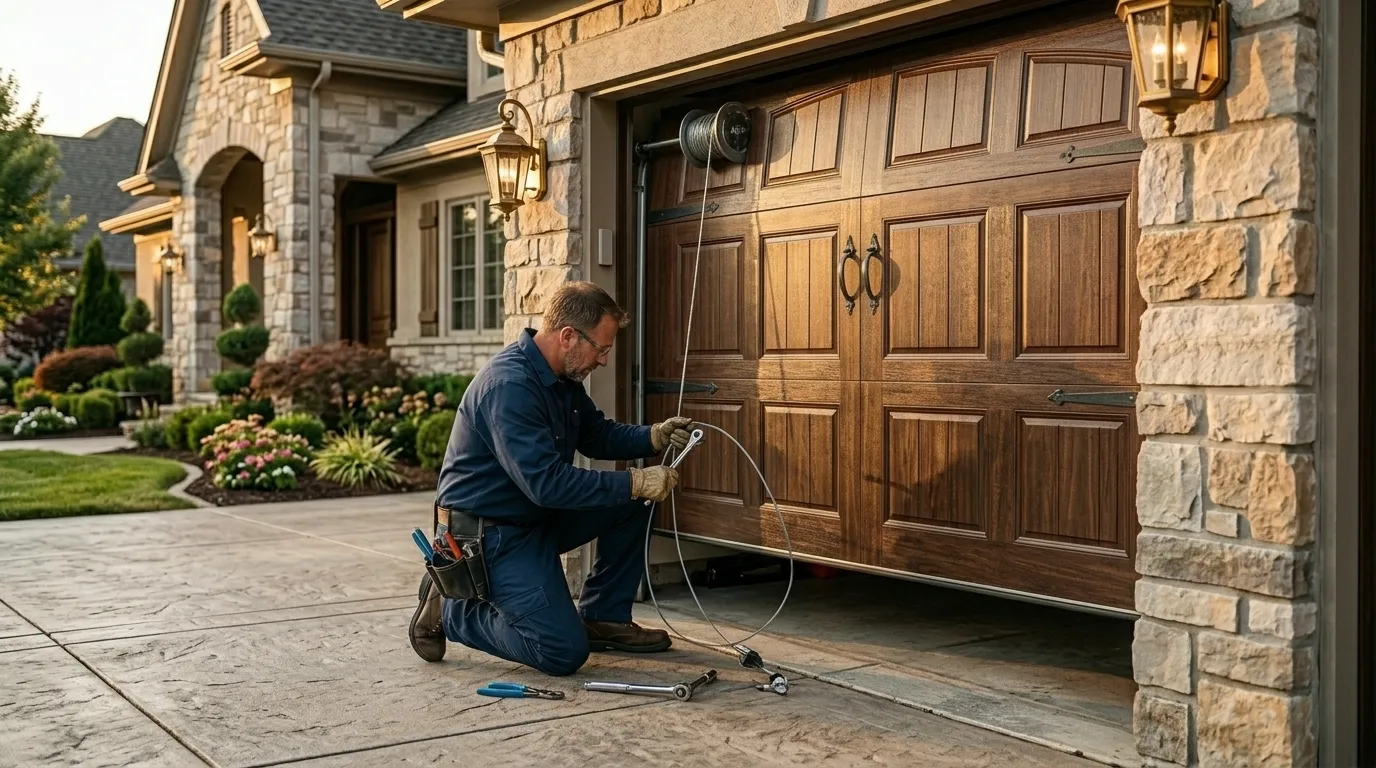
We see cables fraying at the drum, hinges cracked at the panel seam, and center supports pulled loose from ceiling joists that have shifted slightly over the decades. None of this is dramatic on its own, but stacked together it's why a door that felt fine last year suddenly binds or drops crooked this year.
Doing It Yourself
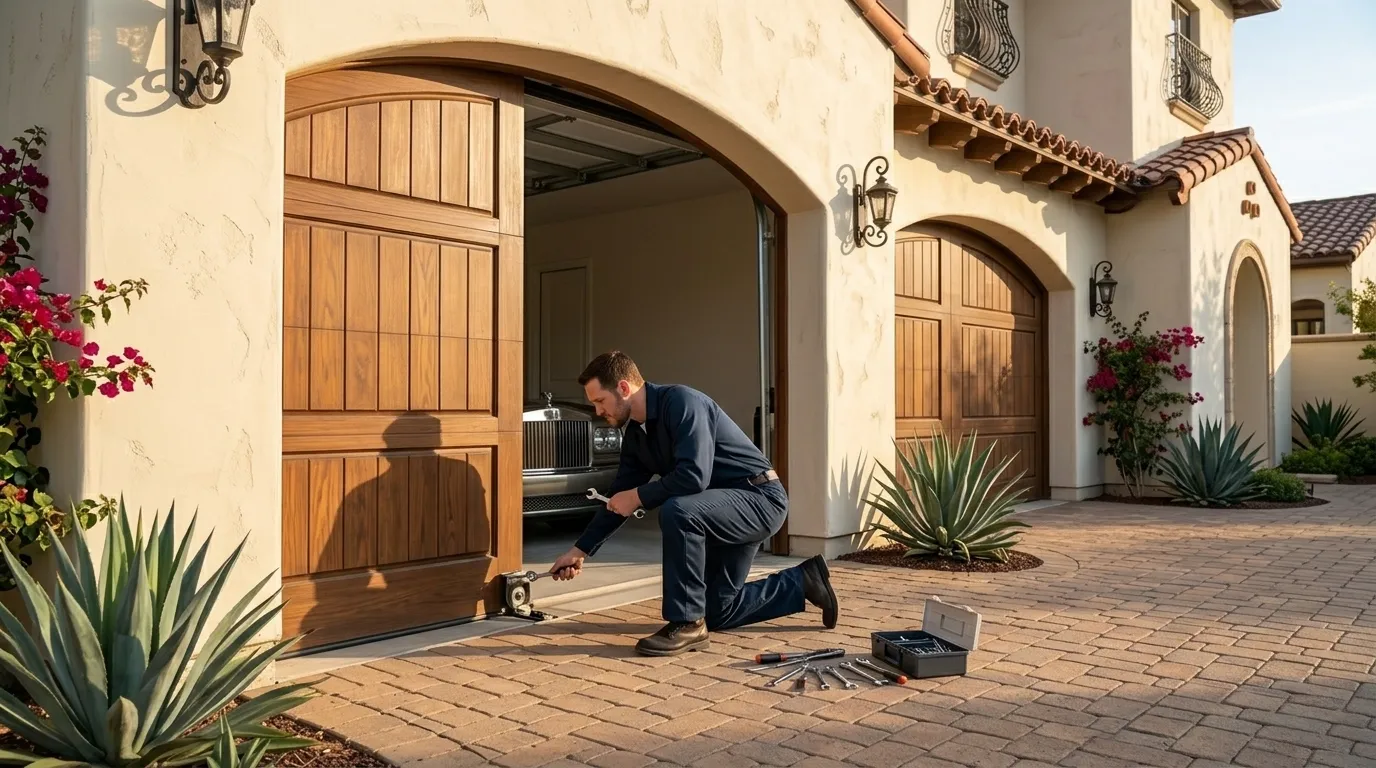
There's real maintenance you can do yourself, and we'd rather you did it than skip it. Wipe down the tracks and check for debris, tighten visible bolts on the brackets, and lubricate the rollers and hinges with a garage-door-specific spray, not household oil, which attracts grit. Test the auto-reverse safety feature by placing a piece of wood in the door's path and making sure it reverses on contact.
What you shouldn't touch is the torsion spring. On a house built in the 1960s, that spring is very likely original or a direct one-for-one replacement of the original, and it's under enough tension to cause serious injury if it lets go while you're working near it.
Same goes for the cables and the bottom brackets they're anchored to. If the door feels heavier than it used to, or the spring looks stretched or has a visible gap in its coils, that's a call, not a DIY project.
What the Repair Takes
Because we travel to Daly City from San Francisco, about 7 miles away, we're not running a local branch here, so we plan the visit around what the job actually needs rather than a walk-in schedule. A standard tune-up covers spring tension, track alignment, hardware torque, and lubrication in one visit. A spring replacement or cable job takes longer, partly because older torsion systems on 1960s-era doors sometimes use hardware sizes that newer stock doesn't match exactly, so we bring options rather than assume a single part will fit.
We'll be straight with you: if a door's opener and springs are both failing at once, replacing the whole unit is often the better call than repairing each piece separately, especially on a door this old. We'll tell you when that's the case instead of billing you for two repairs that add up to more than a new setup.
Why It Happens Here
Daly City sits in a mild temperate band, without the freeze-thaw cycles that crack concrete slabs or the extreme heat that dries out rubber seals fast. That's good news for the doors themselves, but it also means a lot of the wear here is slow and easy to ignore until a spring finally snaps or a roller seizes mid-cycle.
With a median household income of $119,570 across the city's roughly 32,225 households, most owners here can afford proper upkeep rather than a stopgap fix, and that shows in what we find: doors that have had occasional attention but not a real inspection in years. The fix isn't dramatic. It's catching the spring that's lost a coil of tension, or the track bolt that's backed out a quarter inch, before it becomes a door that won't open at all.
Talk to a Daly City Technician First
Describe what the door is doing and get a straight answer on what it likely needs.
Other Garage Door Services in Daly City
Recent Work in Daly City
A look at jobs our crew has been on nearby.
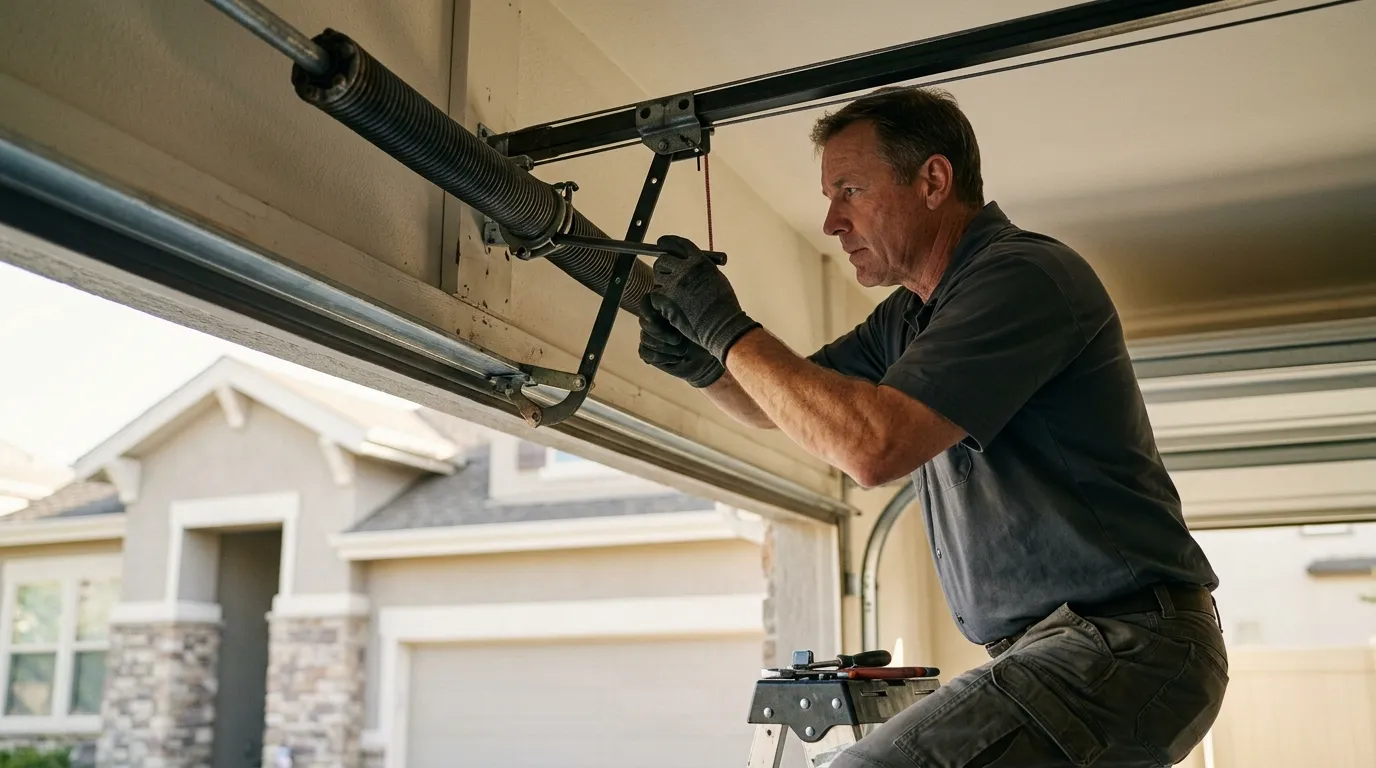
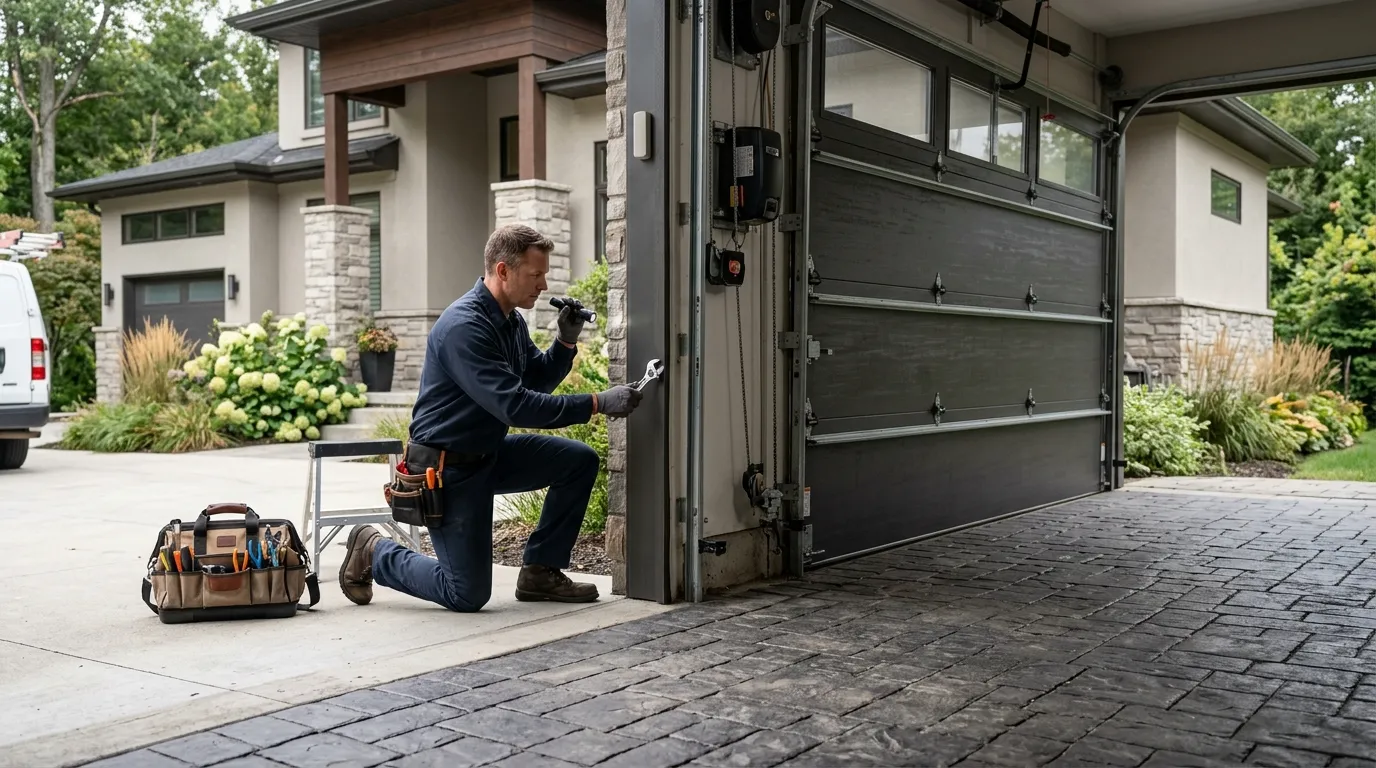
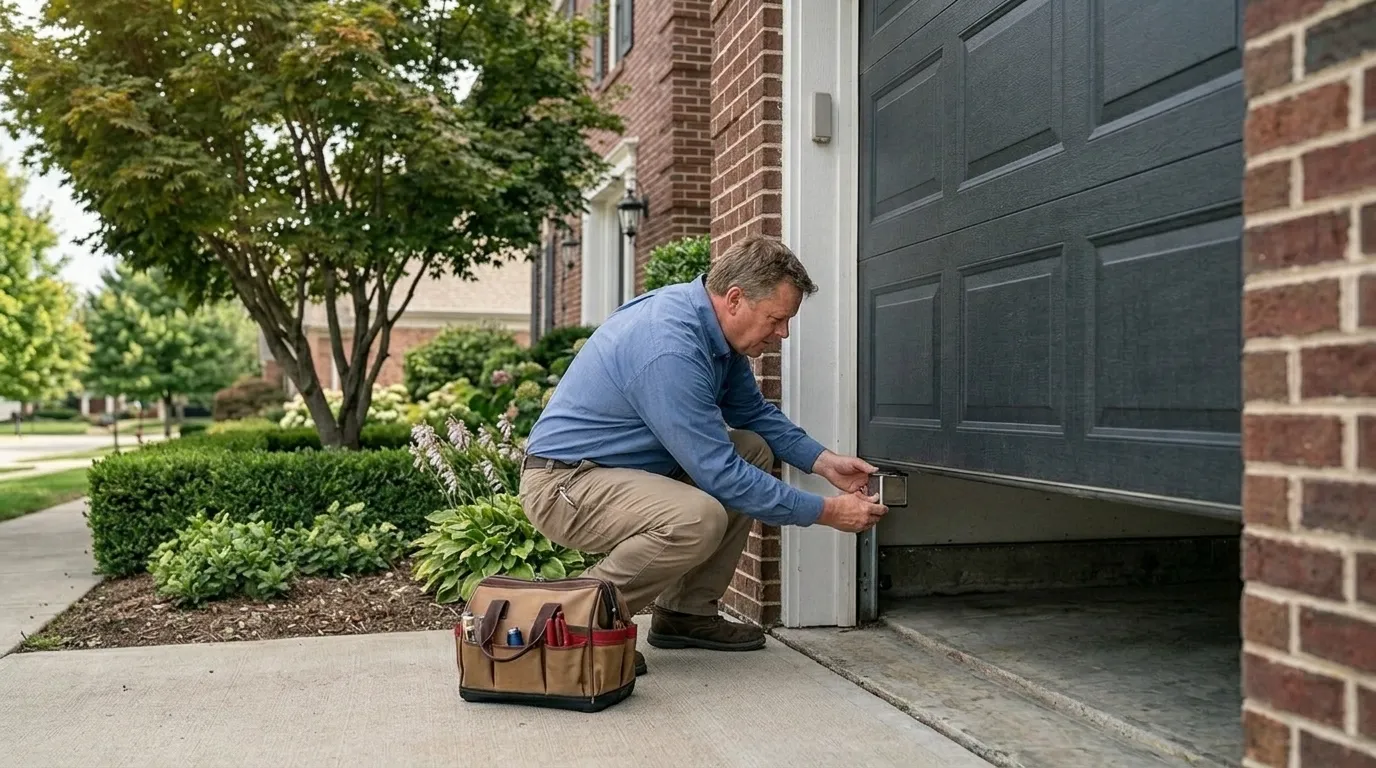
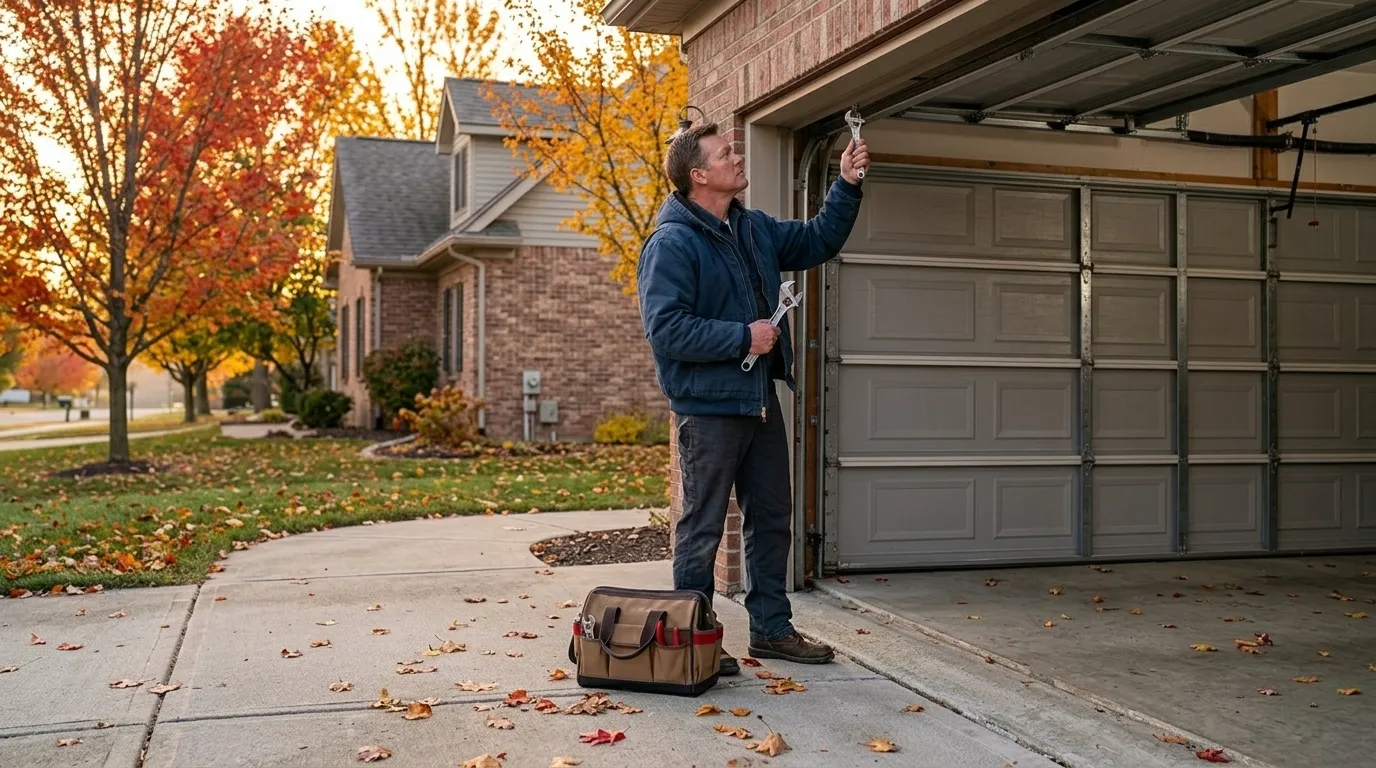
Why Daly City Calls Us
Frequently Asked Questions
How old are most garage doors in Daly City?
Most houses here were built around 1965, so a lot of the original garage door hardware, especially torsion springs and track brackets, is either original or an older replacement. If your door has never been serviced, it's likely running on decades-old parts even if the panel itself looks fine.
Do you have a location in Daly City?
No, we run out of San Francisco and drive out to Daly City, about 7 miles away. We don't keep a local branch or depot here, so we schedule around the job rather than a walk-in counter.
Is Daly City's weather hard on garage doors?
Not especially. The area sits in a mild temperate climate band without the freeze-thaw swings or extreme heat that stress seals and metal elsewhere, so most of the wear we see here comes from age and use, not weather damage.
Should I replace my door or just repair it?
On a house from the 1960s, if the spring and opener are both showing age at the same time, replacement is often cheaper long-term than fixing each part separately. We'll look at your specific door and tell you honestly which way the numbers point before we recommend anything.
Need Maintenance & Tune-Up in Daly City?
Call now for straight answers on cost and timing.