
San Francisco, CA
Nearby Community
Garage Door Service for Emeryville Homes
Emeryville's housing stock runs newer than most of the Bay service area. See why 1980s-built doors here need different parts and care, from a crew 8 miles out in San Francisco.
- Licensed & Insured
- Same-Area Service Calls
- Upfront Pricing
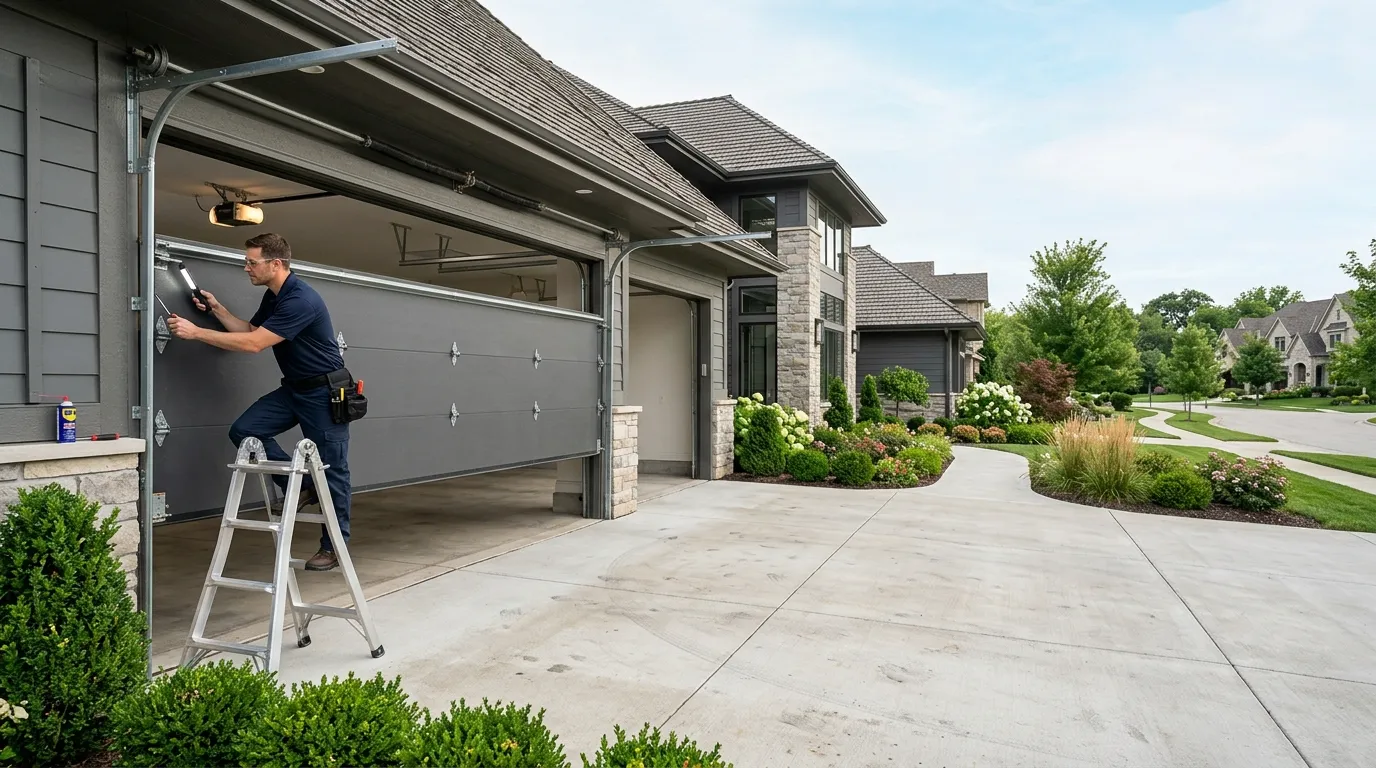
Garage Door Services in Emeryville
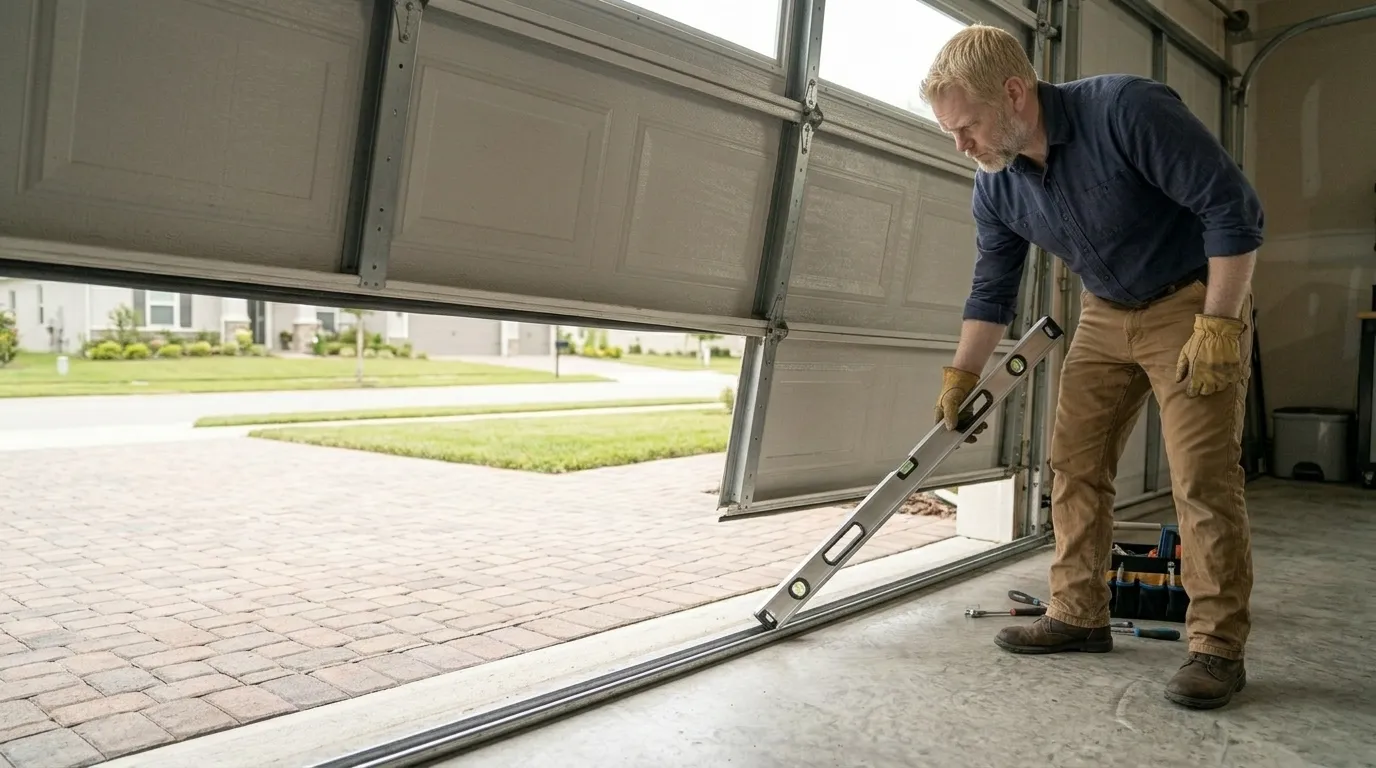
Commercial Garage Door
Commercial Garage Door handled by trained, insured local technicians with upfront pricing.
Learn more →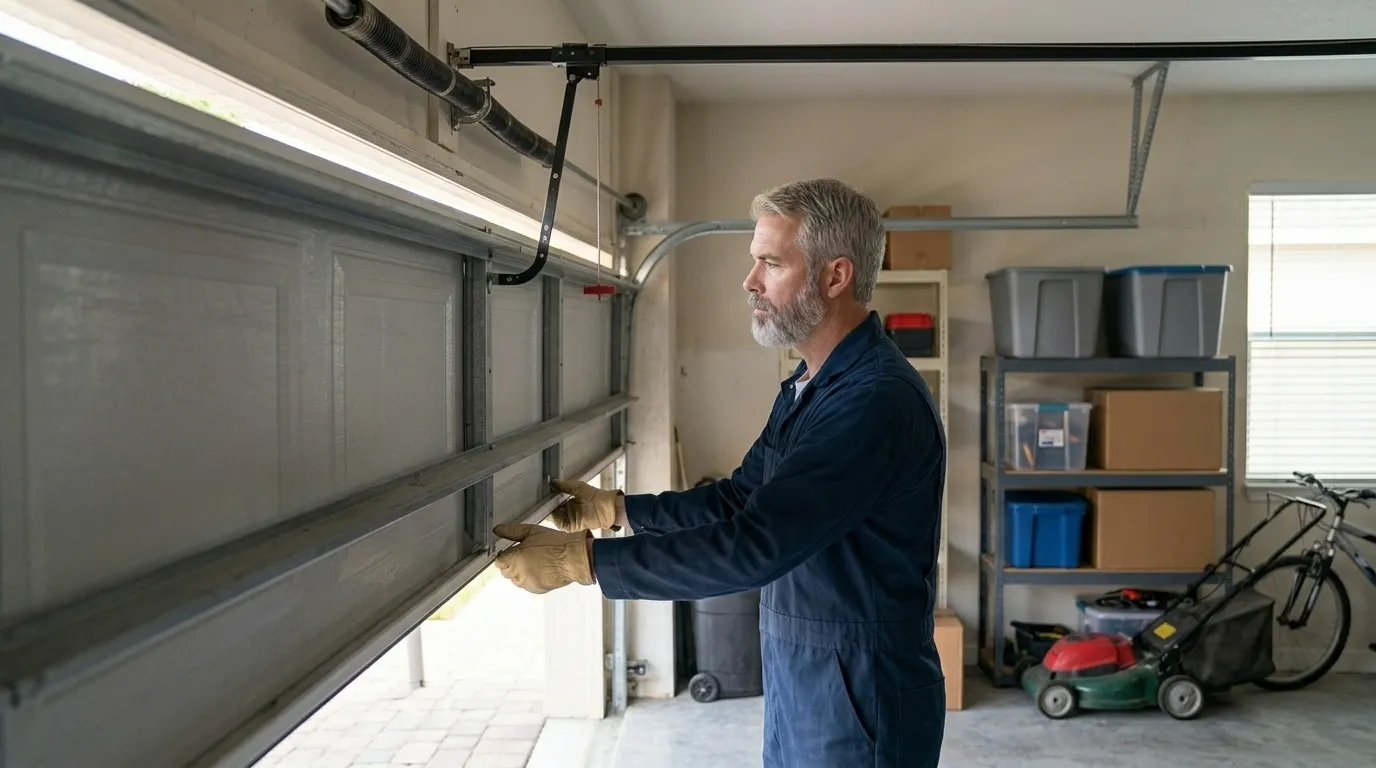
Garage Door Service
Tune-ups, lubrication, and safety checks that catch a small problem before it becomes a service call.
Learn more →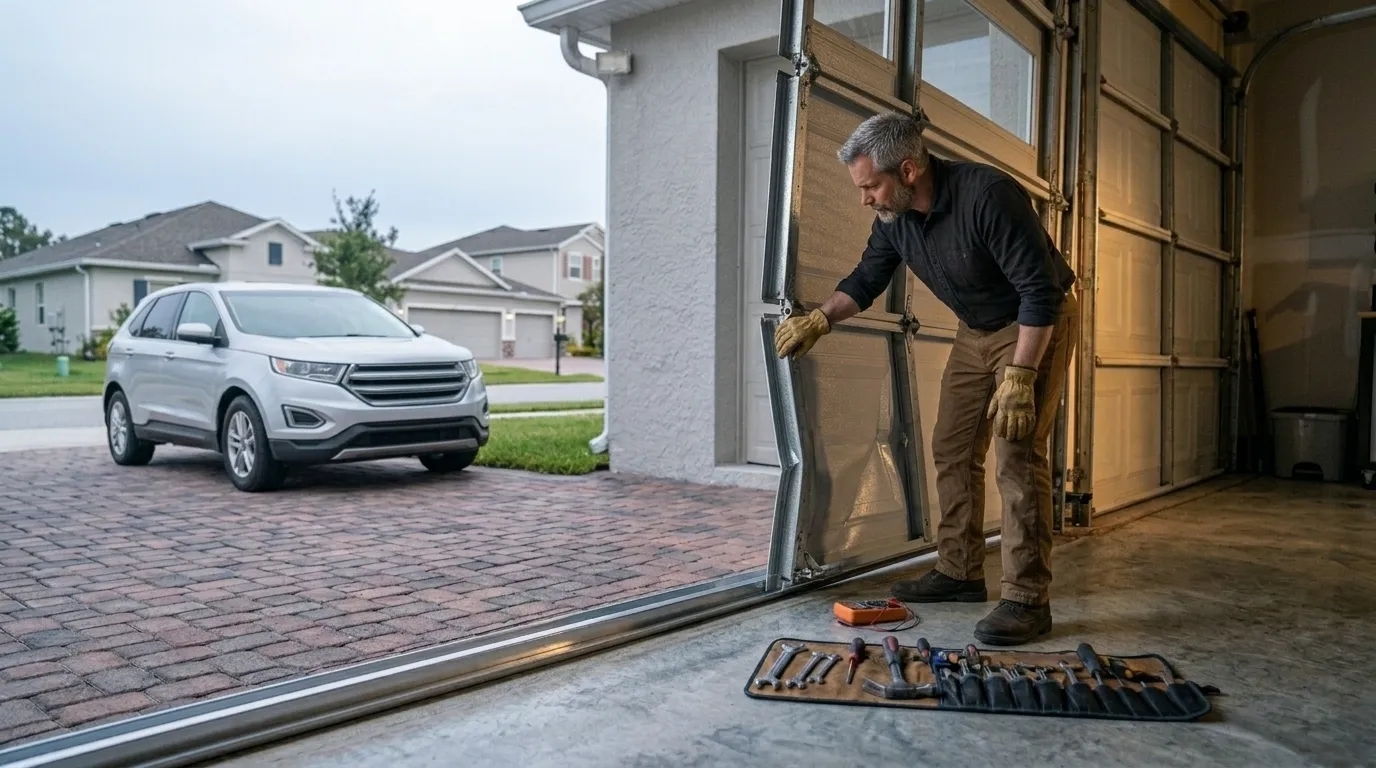
Garage Door Panel Replacement
Dented or cracked panels swapped without replacing the whole door where the frame is sound.
Learn more →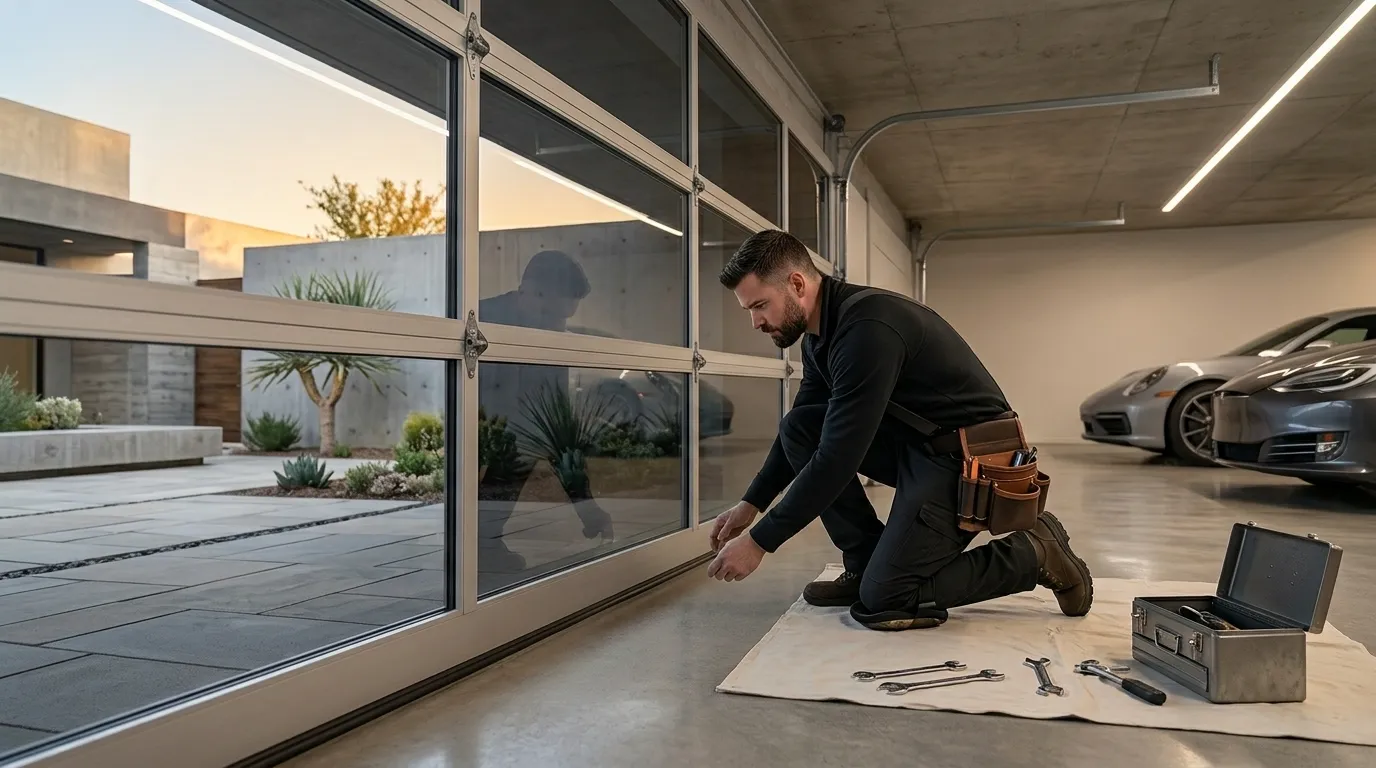
Garage Door Spring Repair
Broken torsion and extension springs replaced and the door rebalanced in the same visit.
Learn more →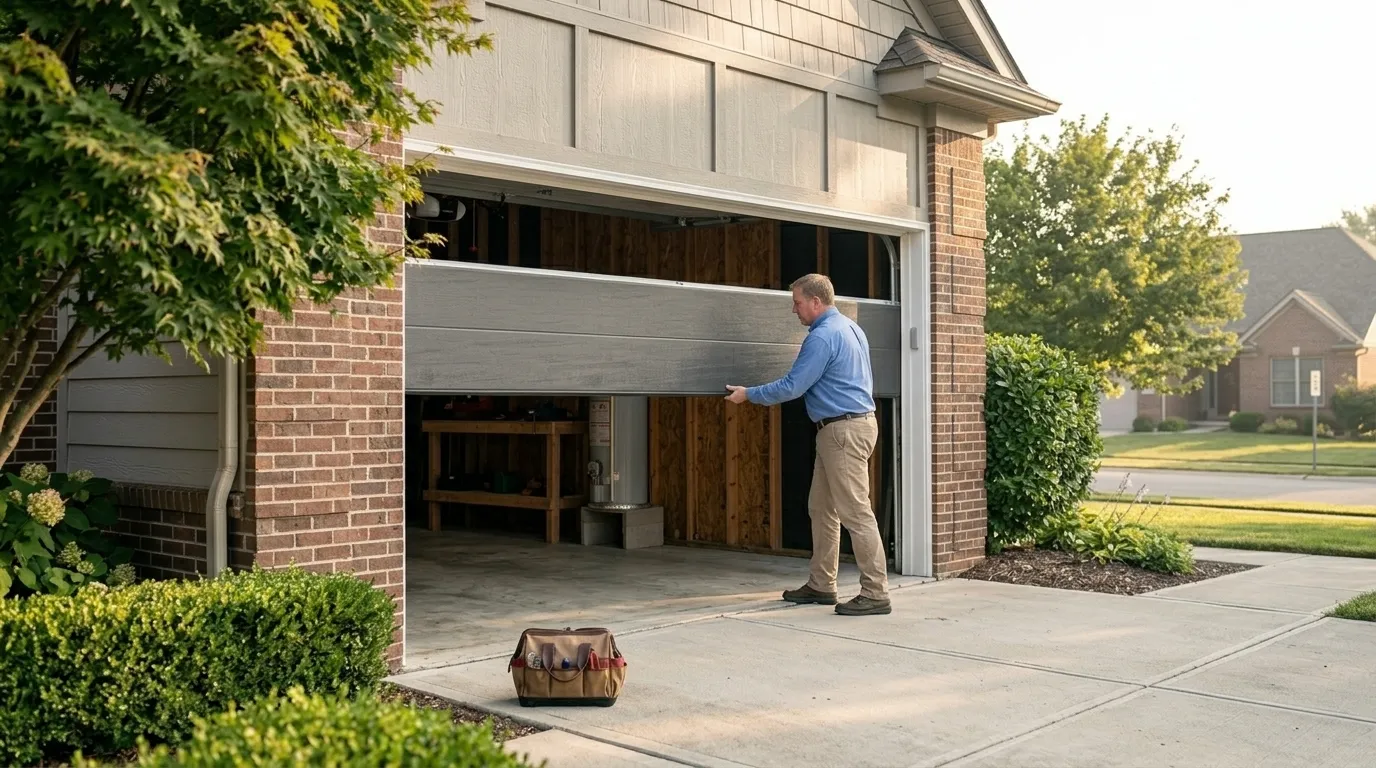
Garage Door Roller Replacement
Worn, noisy rollers swapped for smooth nylon ones so the door runs quiet.
Learn more →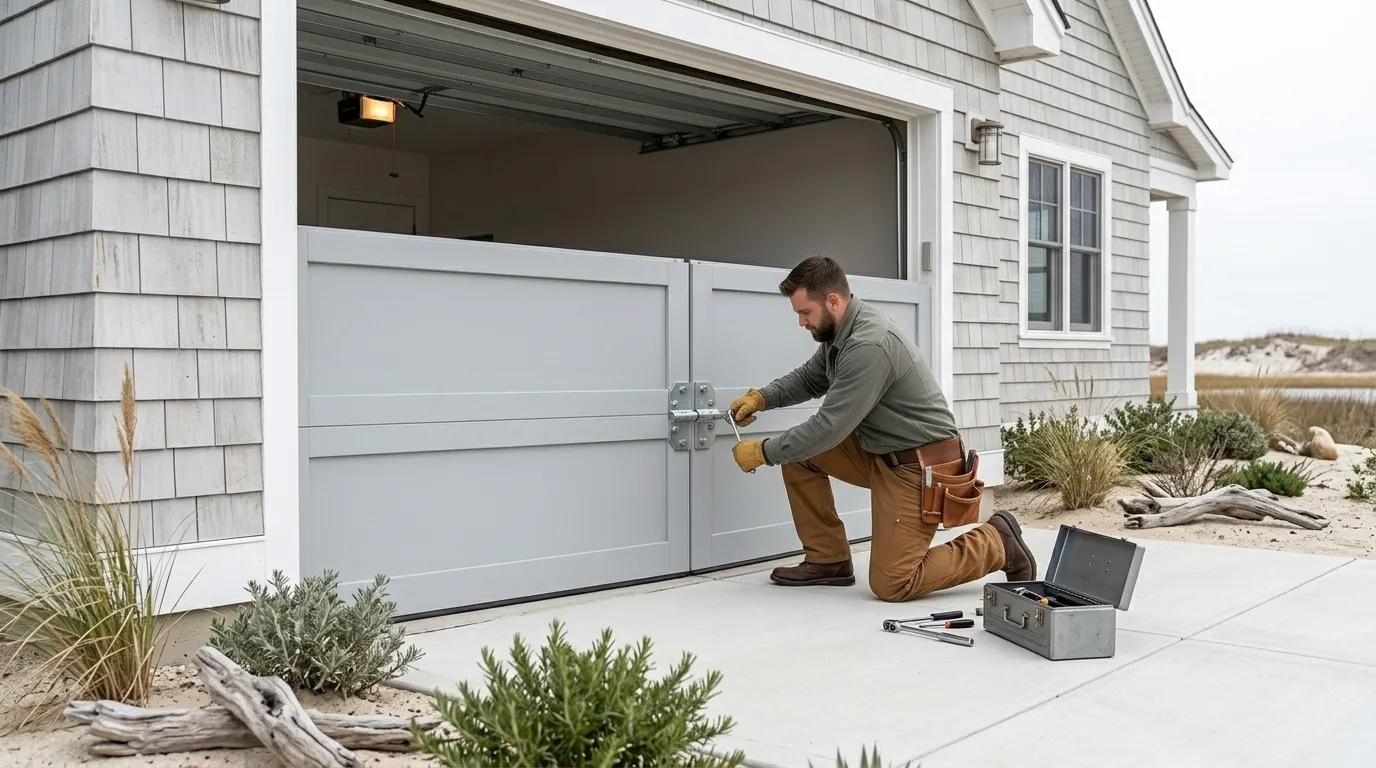
Garage Door Repair
Springs, cables, tracks, rollers, and openers fixed by a tech who explains the problem before touching anything.
Learn more →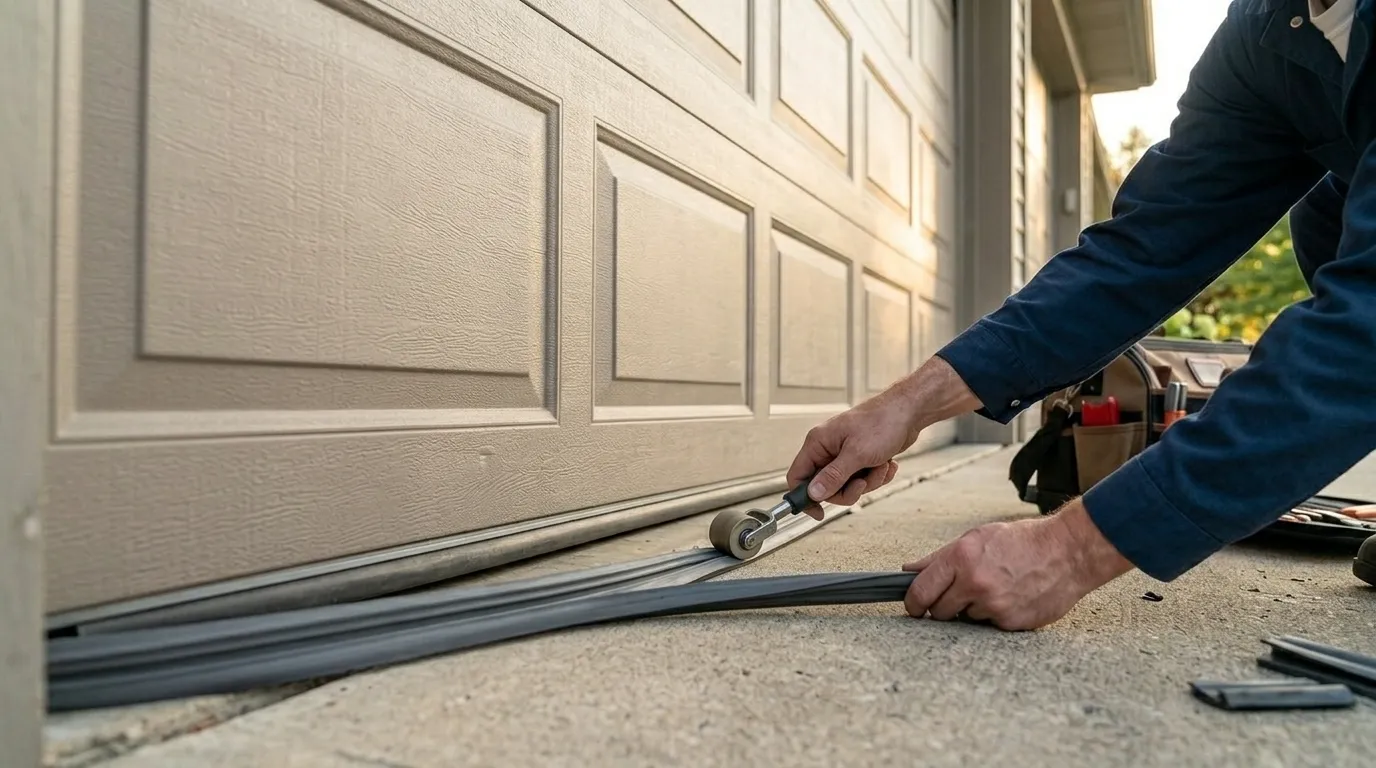
Garage Door Installation
New sectional doors sized and installed for the housing stock actually built in this area.
Learn more →The Split Between Old and New
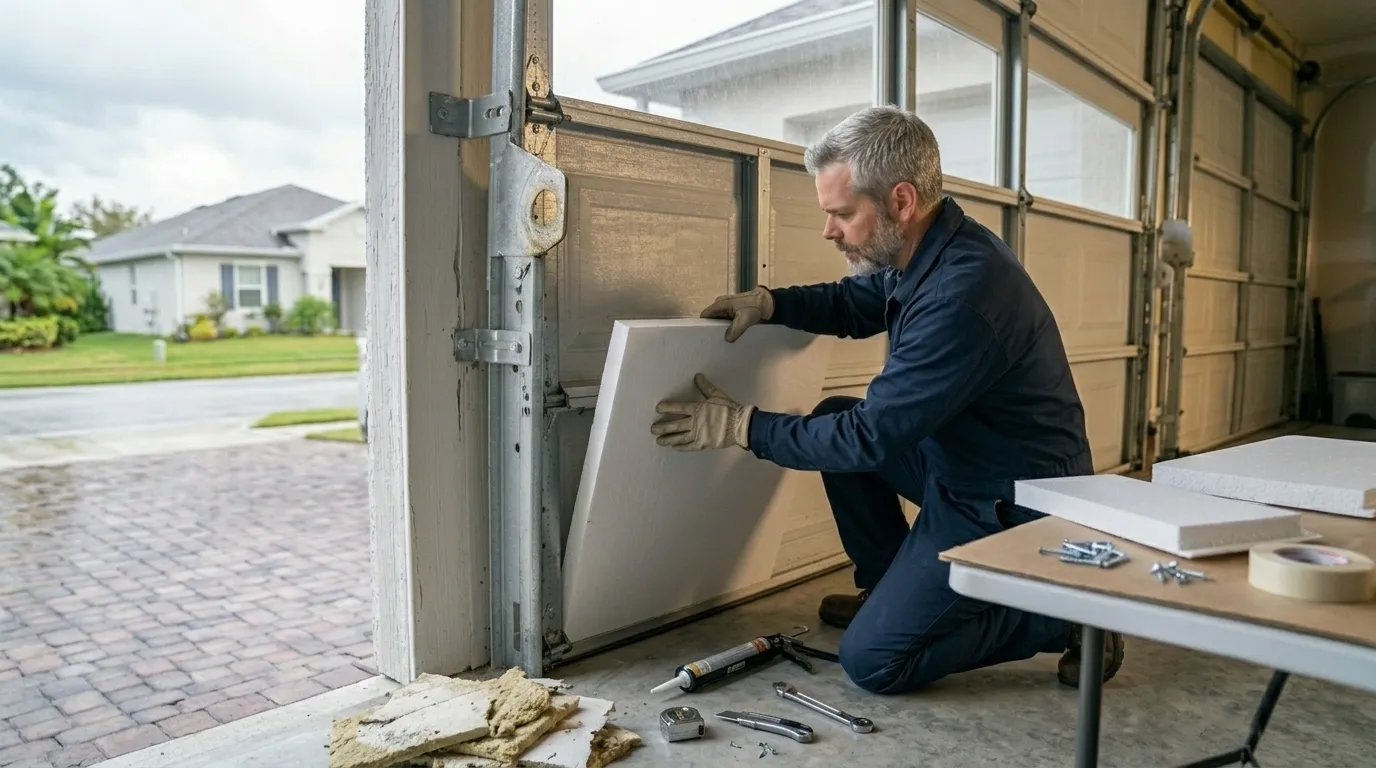
Across the wider service area we cover, the typical house went up in 1962, smack in the middle of a 1938-to-1988 building wave. Emeryville breaks from that pattern. The median year built here is 1987, a full 25 years newer than the area norm.
That gap matters more than it sounds like it should. A door and opener installed in 1987 are built to different standards, different track widths, and different mounting hardware than the torsion setups common in the older 1960s stock we see elsewhere on our routes. If you own a house here, you're less likely to have the oldest, most brittle springs and pulleys we run into in the older pockets of the service area, and more likely to have an opener from the early wave of chain-drive residential units, now well past the point where replacement parts are easy to source.
Age isn't the whole story, but it sets the baseline for what's likely wrong before we even see the door.
What the Housing Means for Your Door
A door installed in the late 1980s is old enough that its original opener logic board, if it's still the factory unit, is a common point of failure. These units don't fail all at once. They start skipping the close cycle, or the remote works some days and not others.
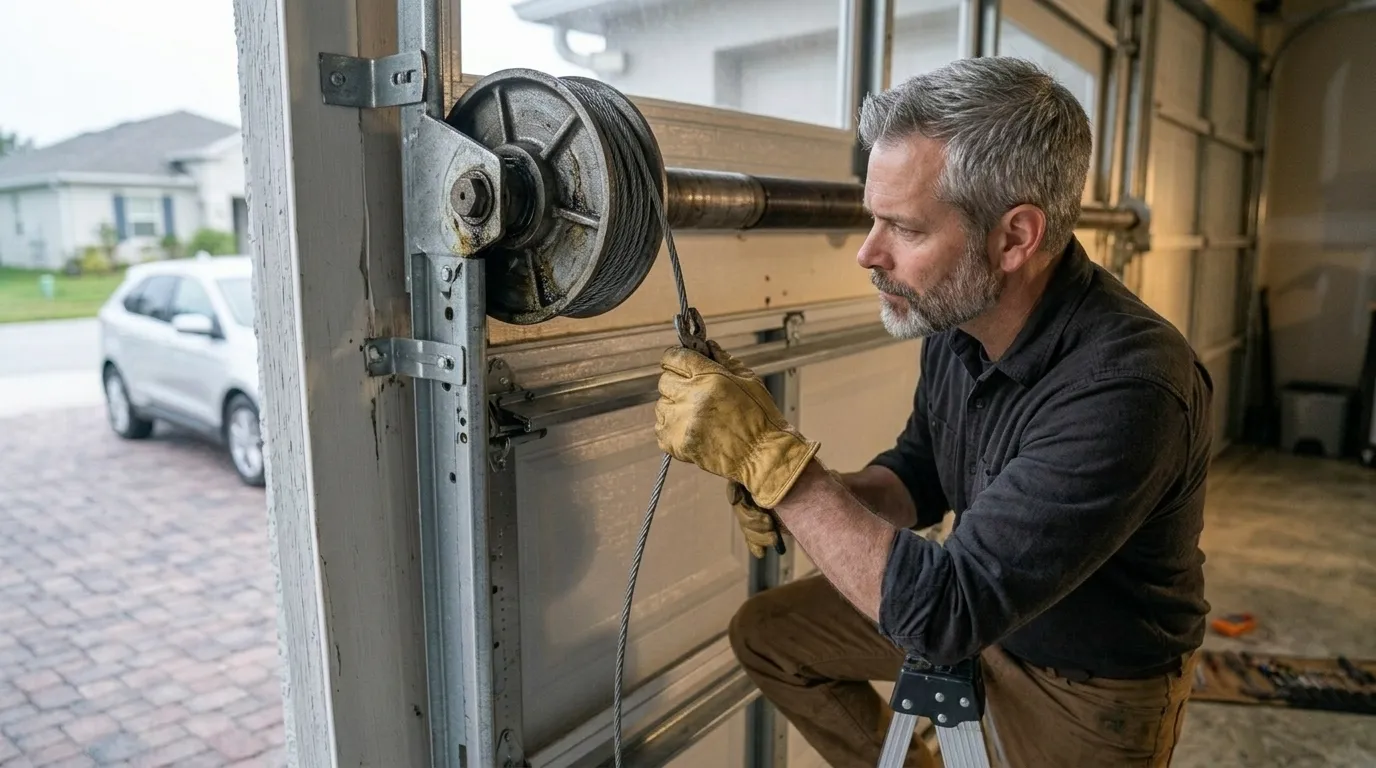
That's different from the failure mode on a 1960s door, where the spring itself is usually the culprit. In Emeryville we'd expect more opener and sensor issues relative to raw spring failures, simply because of when the stock went in. That said, springs still wear out on any schedule, and a torsion spring installed new in 1987 has had almost four decades of cycles regardless of how well the rest of the house has aged.
We don't guess at this from the truck. We look at the spring wind, the drum, and the opener's board before saying which one needs the work.
What Was Built Here
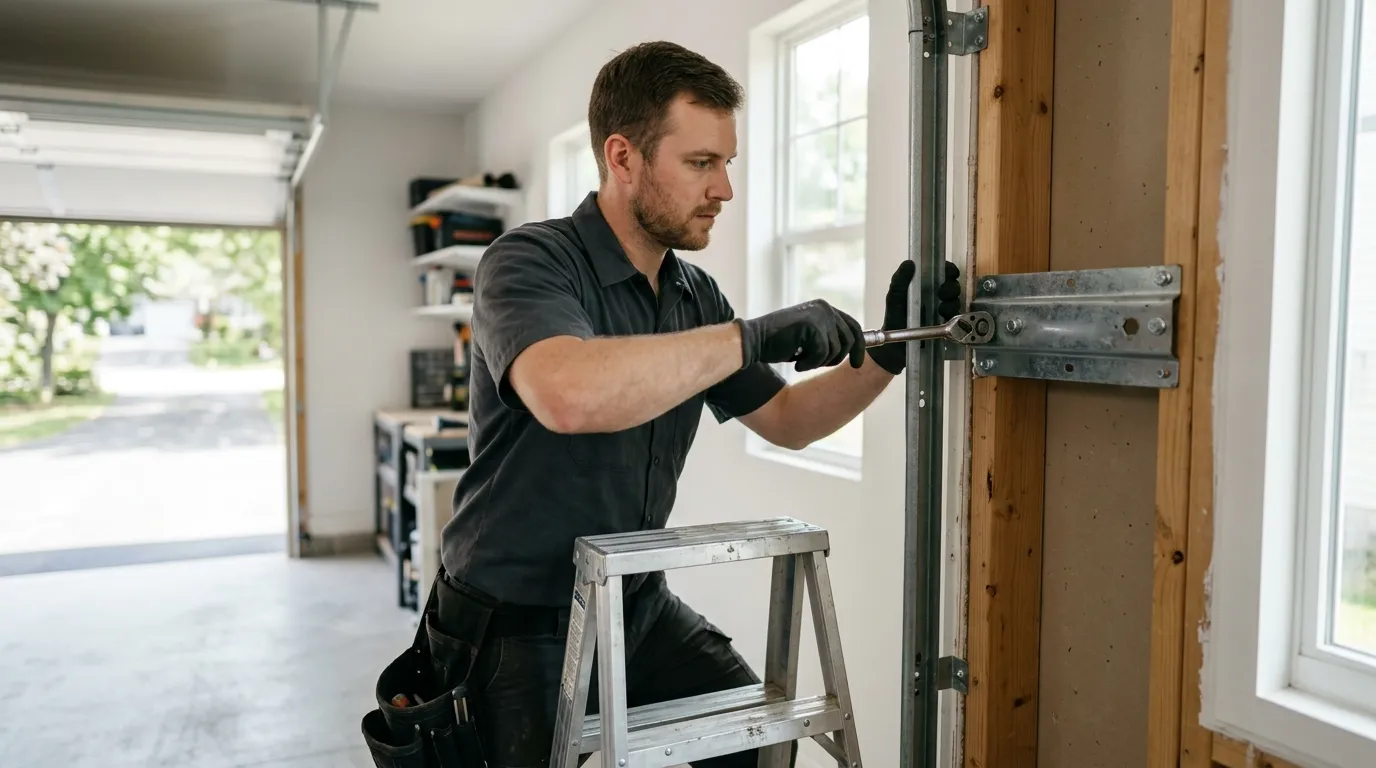
With roughly 7,647 households in the area and a median household income of $120,302, this isn't a market of custom-built garage doors. Most of what went in during the 1980s building push here was standard steel sectional doors on standard track, the kind of door a builder ordered by the pallet. That's good news for repair: parts for late-80s steel doors are still around, unlike the odd sizes and discontinued hardware you find on older custom builds.
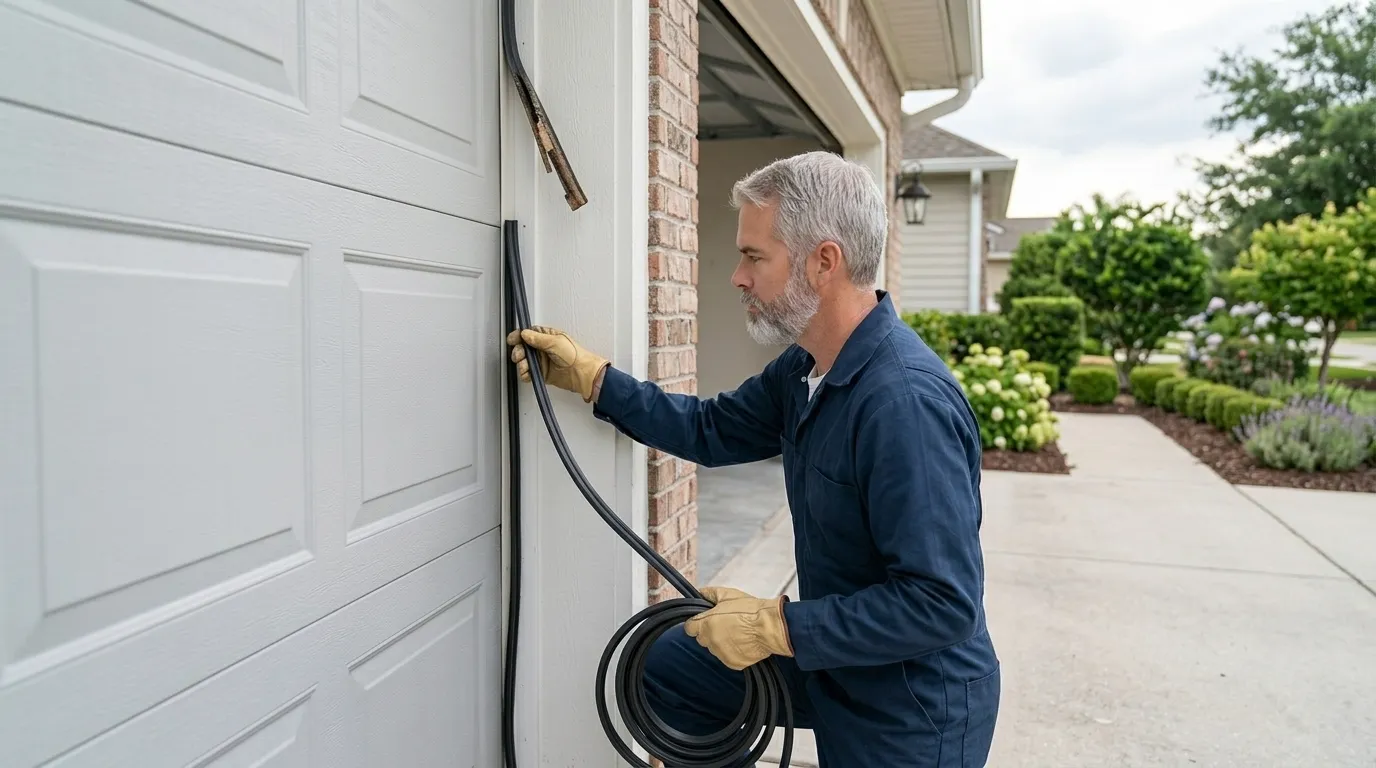
The climate band for this whole region is mild temperate, so we're not chasing the kind of extreme heat or cold cycling that cracks panels or seizes hardware elsewhere in the country. Rust from fog and salt air is a more realistic long-term wear pattern here than warping from temperature swings, and it shows up first at the bottom panel and the roller brackets rather than anywhere else on the door.
The Drive Over
We run out of San Francisco, about 8 miles from Emeryville. We don't keep a depot in town and won't tell you otherwise. That distance is short enough that it doesn't change how we price or schedule a job, but it does mean we're not the outfit to call if you need someone standing in your driveway in the next ten minutes.
Plan the call, not the sprint. One honest limitation: if your opener board is the original 1980s unit and it's failed outright rather than intermittently, we may not be able to source an exact replacement board same-day. Sometimes the right fix is a new opener rather than chasing a part for one that's been out of production for years, and we'll say so rather than stall you on a part that isn't coming.
What Happens When You Call
-
1
Call or Request a Quote
Tell us what the door is doing and roughly how old the house is - that alone points us toward the likely part before a truck leaves.
-
2
On-Site Diagnosis
A tech checks the spring, cables, tracks, and opener in person and tells you plainly what is actually wrong.
-
3
Straight Price, No Surprises
You get a number before any work starts. It covers parts and labor, nothing added after the fact.
-
4
Fixed the Same Visit
Most repairs are done in one trip. If a part needs sourcing, we tell you that upfront instead of guessing.
Recent Work Near Emeryville
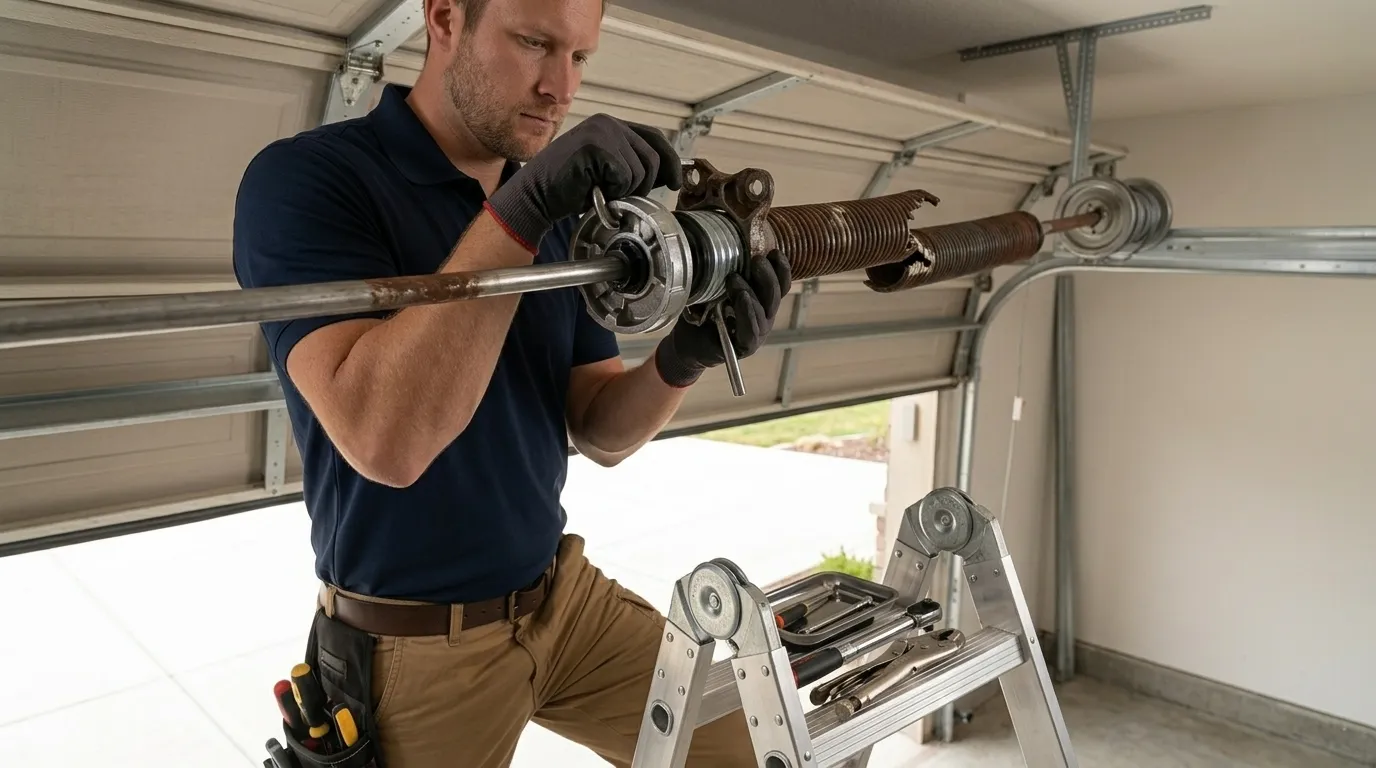
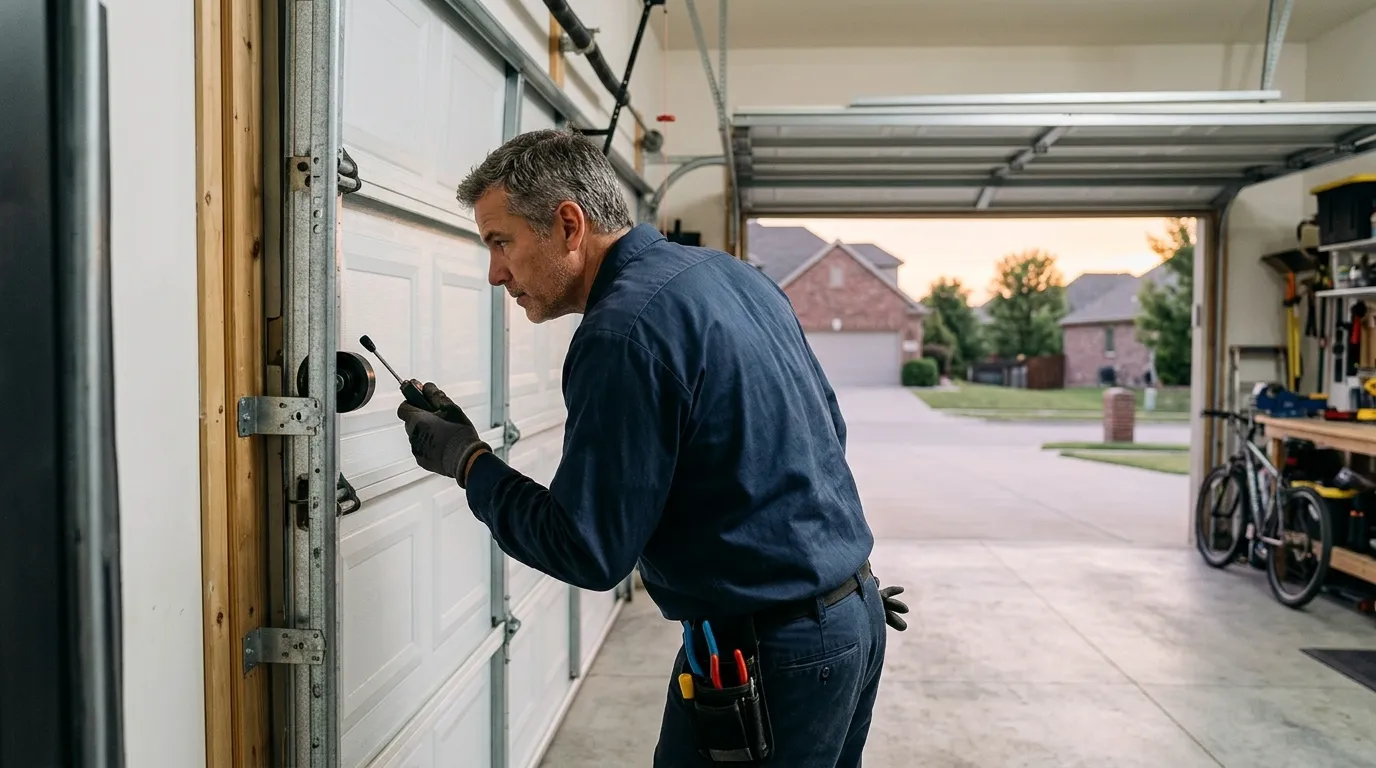
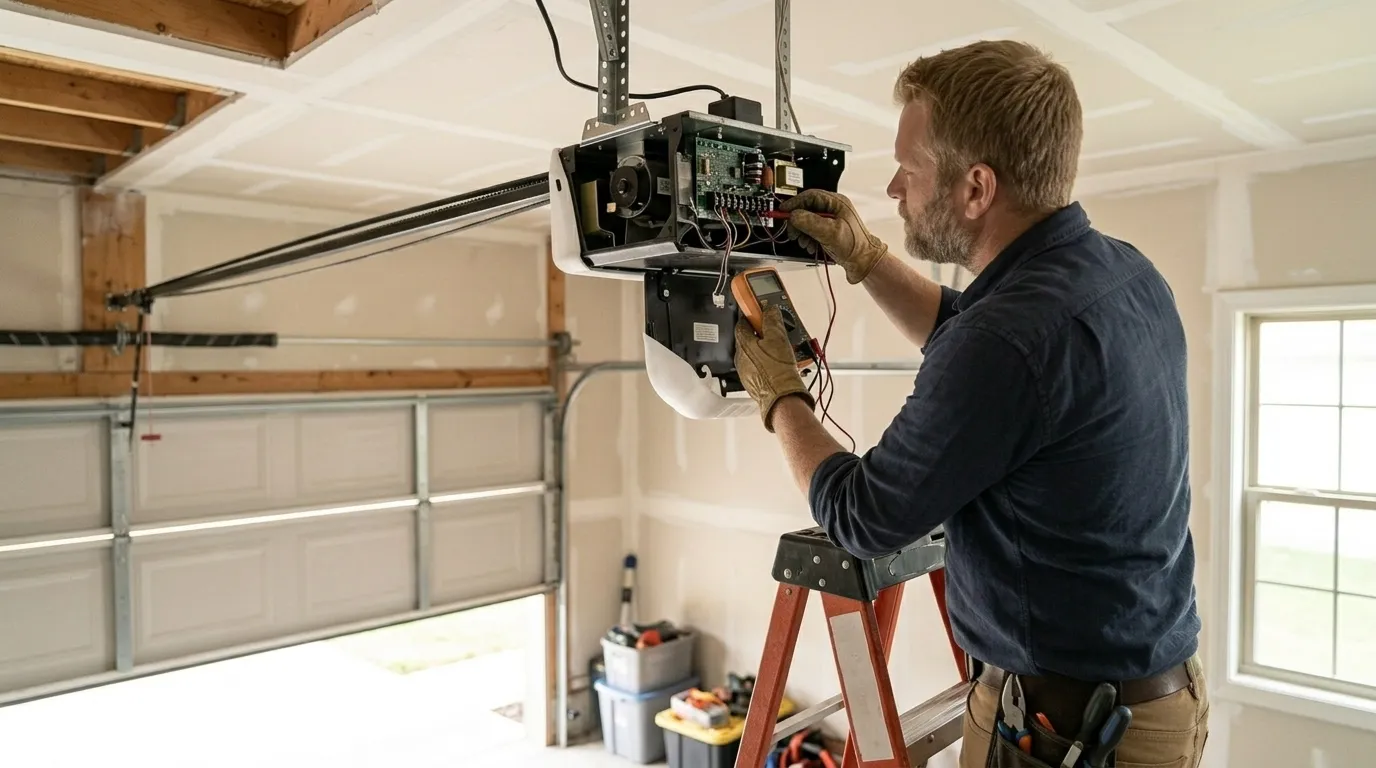
Frequently Asked Questions
Is my garage door likely original to the house if it was built in the late 1980s?
It's possible, especially if no one's mentioned a replacement. Steel sectional doors from that era can last decades with basic maintenance, but the opener hardware tends to fail first. If the door itself still tracks straight and the panels aren't dented or rusted through, the door may be fine even if the opener needs work.
Do you have a location in Emeryville?
No. We work out of San Francisco, about 8 miles away, and travel out to handle calls in this area. There's no local depot here, so factor drive time into scheduling rather than expecting an immediate arrival.
Why would my opener fail even if the door itself still moves smoothly?
Opener logic boards from the 1980s and 90s are a common failure point independent of the door's mechanical condition. Intermittent remote response, skipped close cycles, or a light that won't stay on are usually the board or its sensors, not the springs, cables, or track.
Does the mild climate here mean less garage door maintenance?
It reduces certain problems. You won't see the cracking or seizing that comes from extreme heat or freeze cycles. But fog and coastal moisture still cause rust, particularly at the bottom panel and roller brackets, so it's not maintenance-free.
Get Your Door Fixed in Emeryville
Call now for same-area service.