
San Francisco, CA
Nearby Community
Garage Door Service for Moraga's 1970s-Era Homes
Moraga homes cluster around a 1972 median build year, a decade newer than most of the territory. See how that changes spring type, panel material, and repair cost.
- Licensed & Insured
- Same-Area Service Calls
- Upfront Pricing
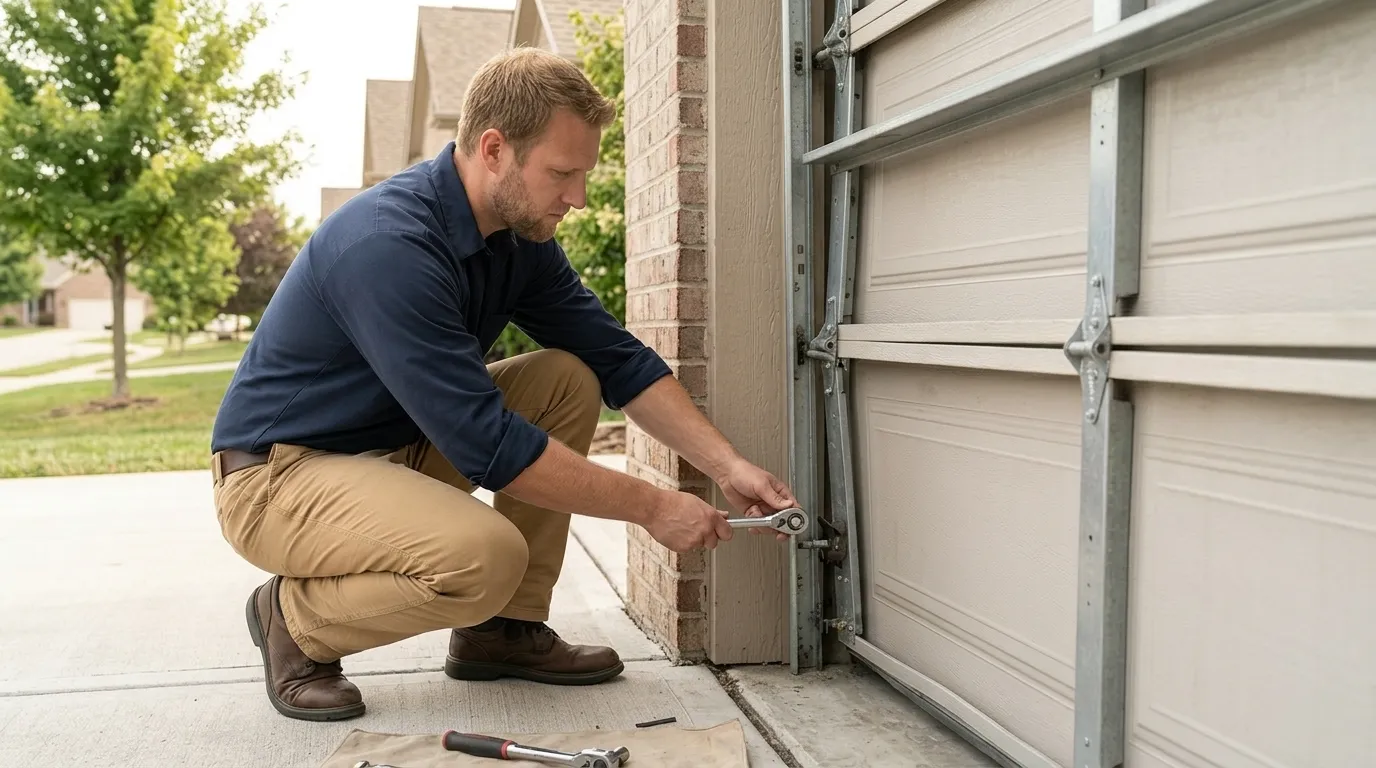
Garage Door Services in Moraga
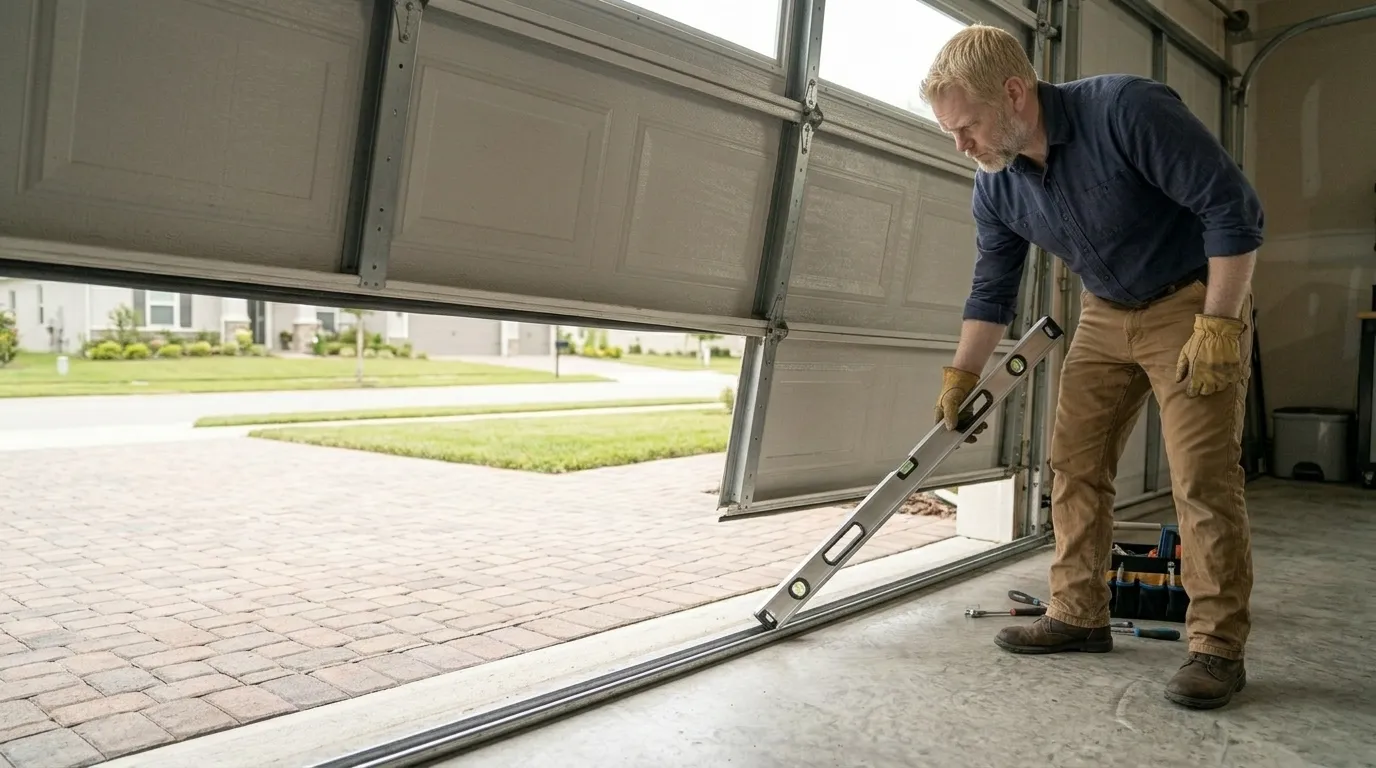
Garage Door Service
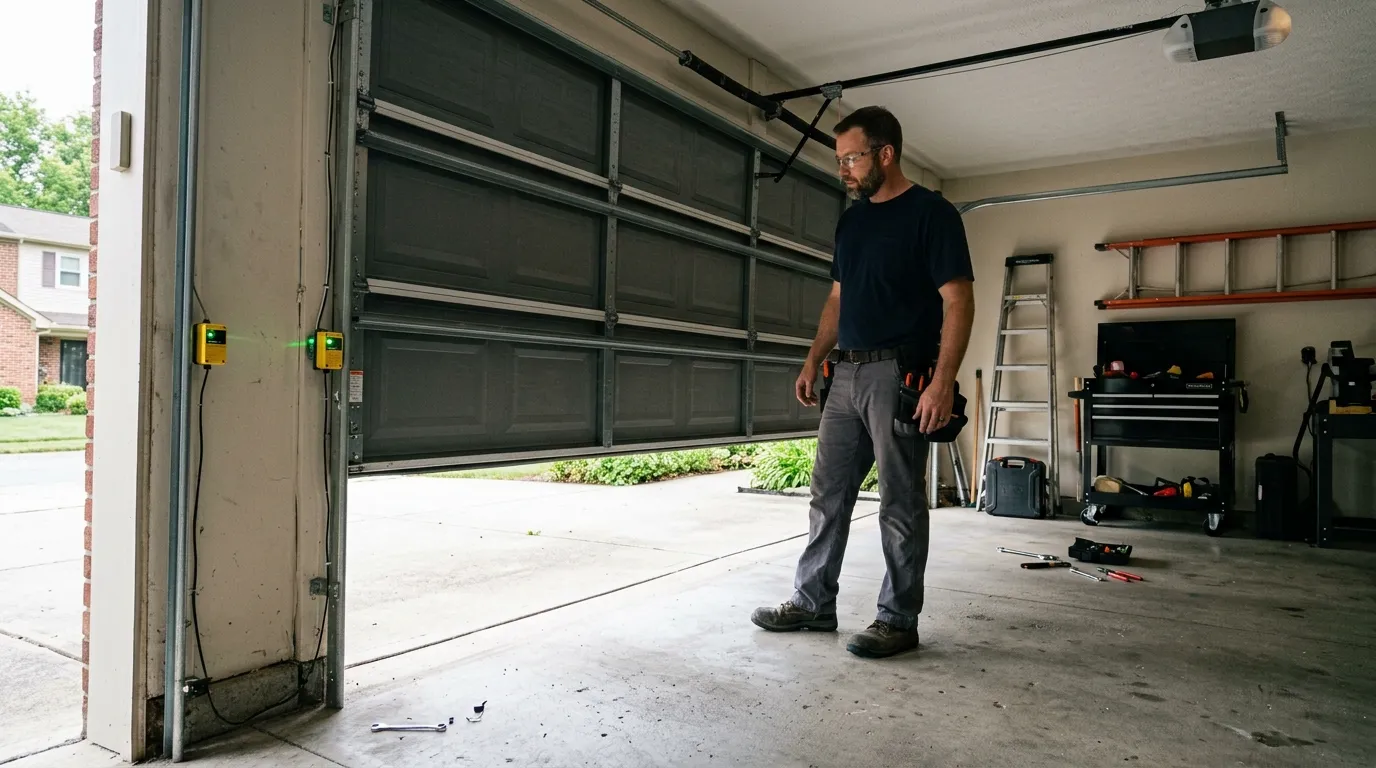
Tune-ups, lubrication, and safety checks that catch a small problem before it becomes a service call.
Learn more →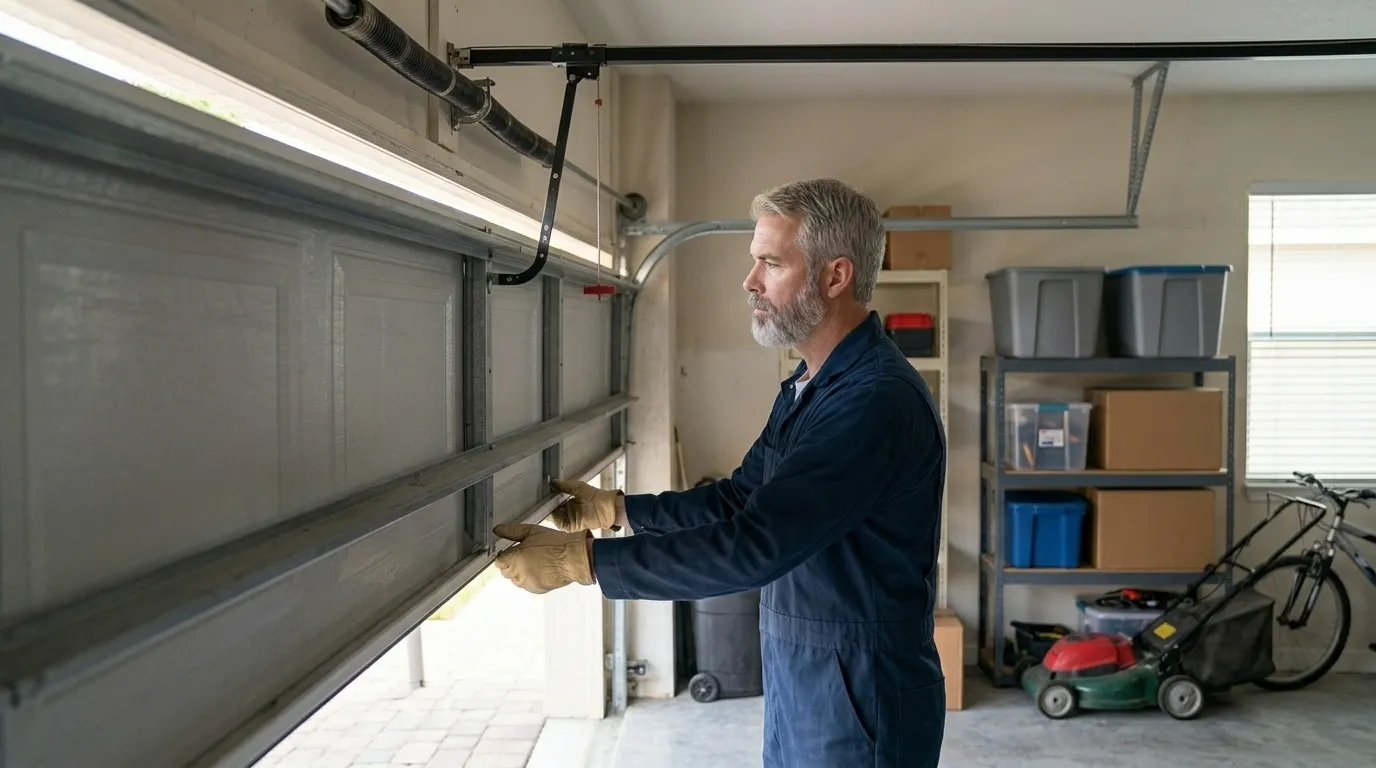
Garage Door Installation
New sectional doors sized and installed for the housing stock actually built in this area.
Learn more →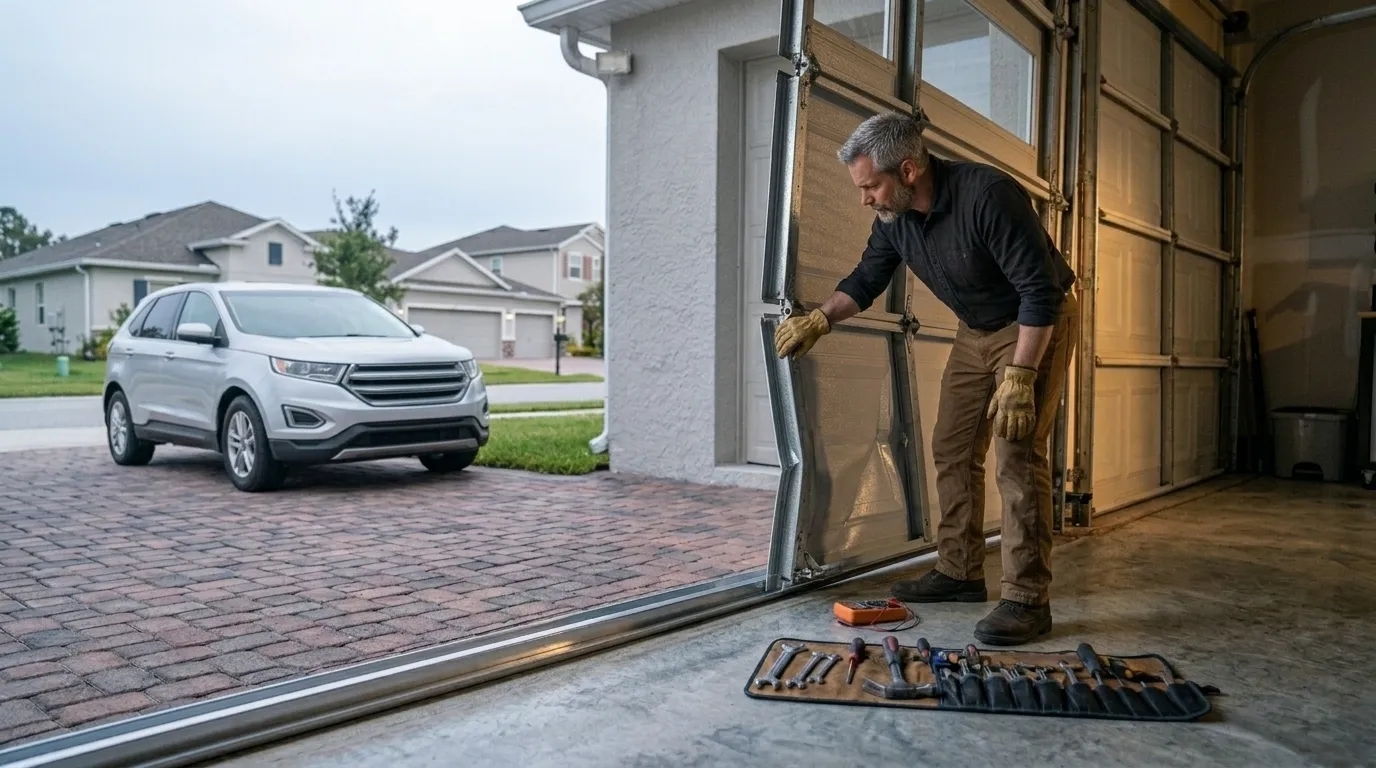
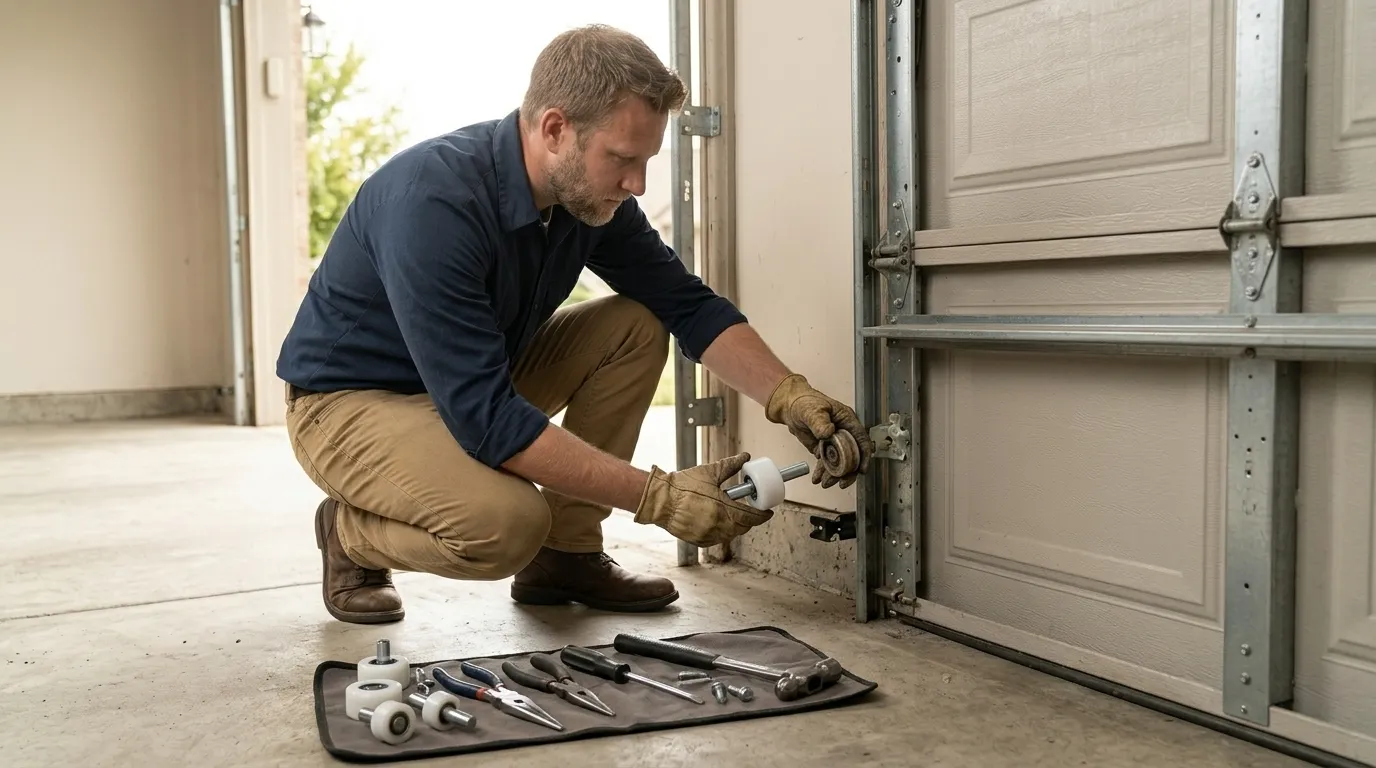
Garage Door Roller Replacement
Worn, noisy rollers swapped for smooth nylon ones so the door runs quiet.
Learn more →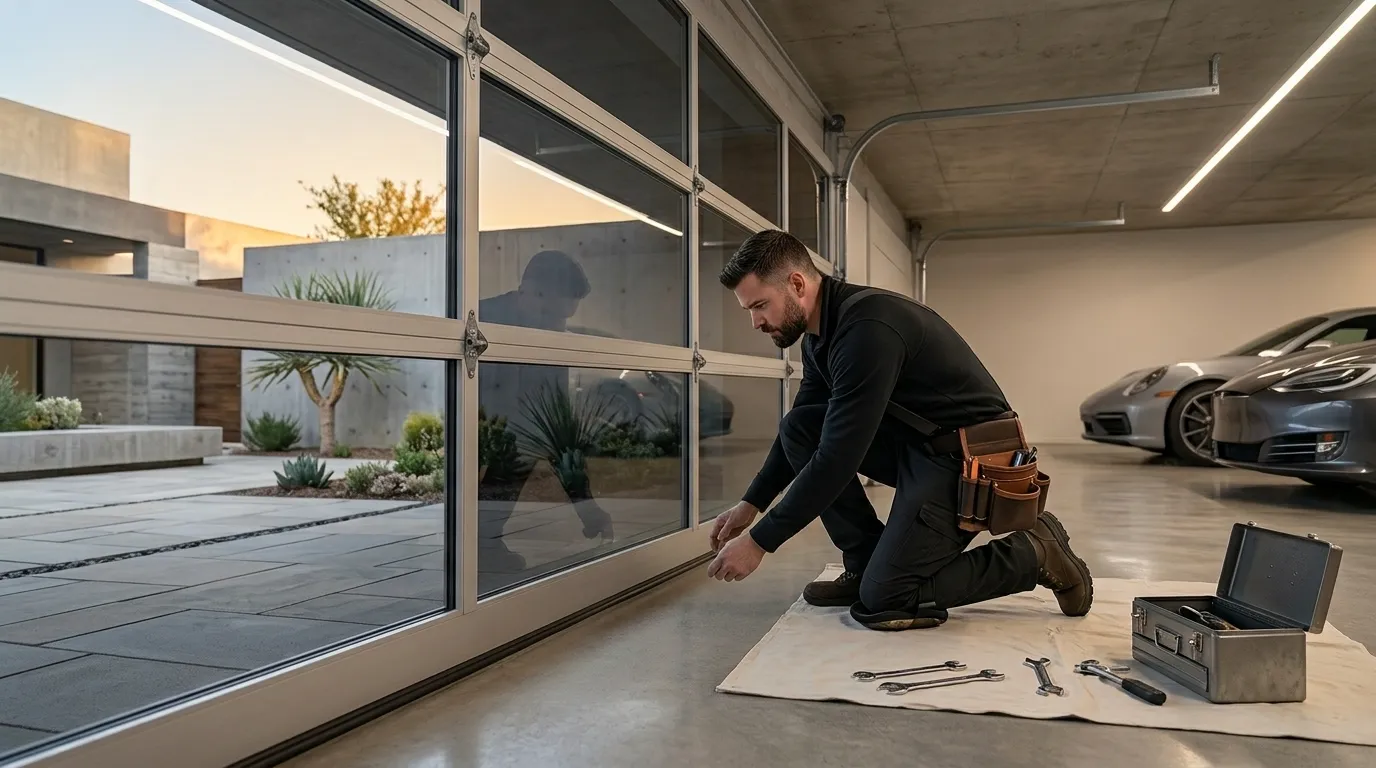
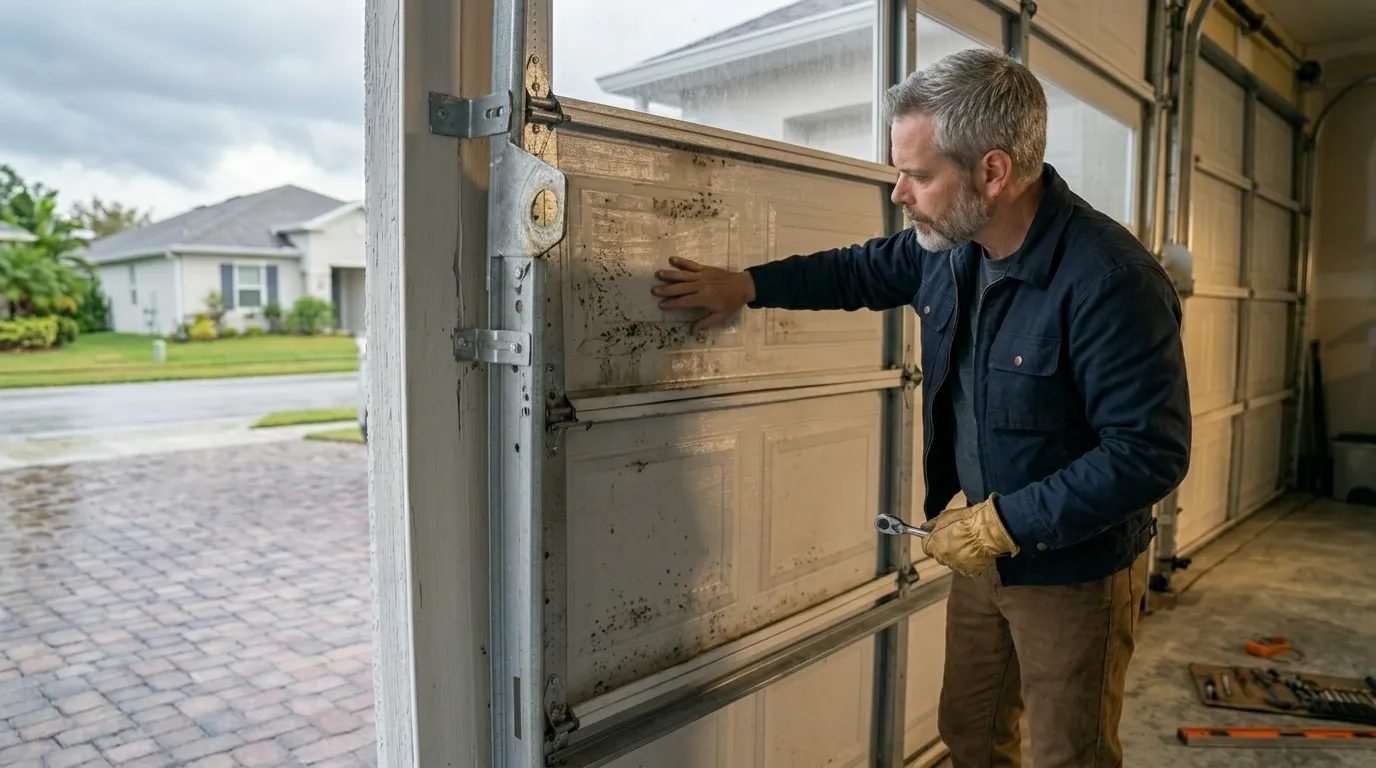
Garage Door Panel Replacement
Dented or cracked panels swapped without replacing the whole door where the frame is sound.
Learn more →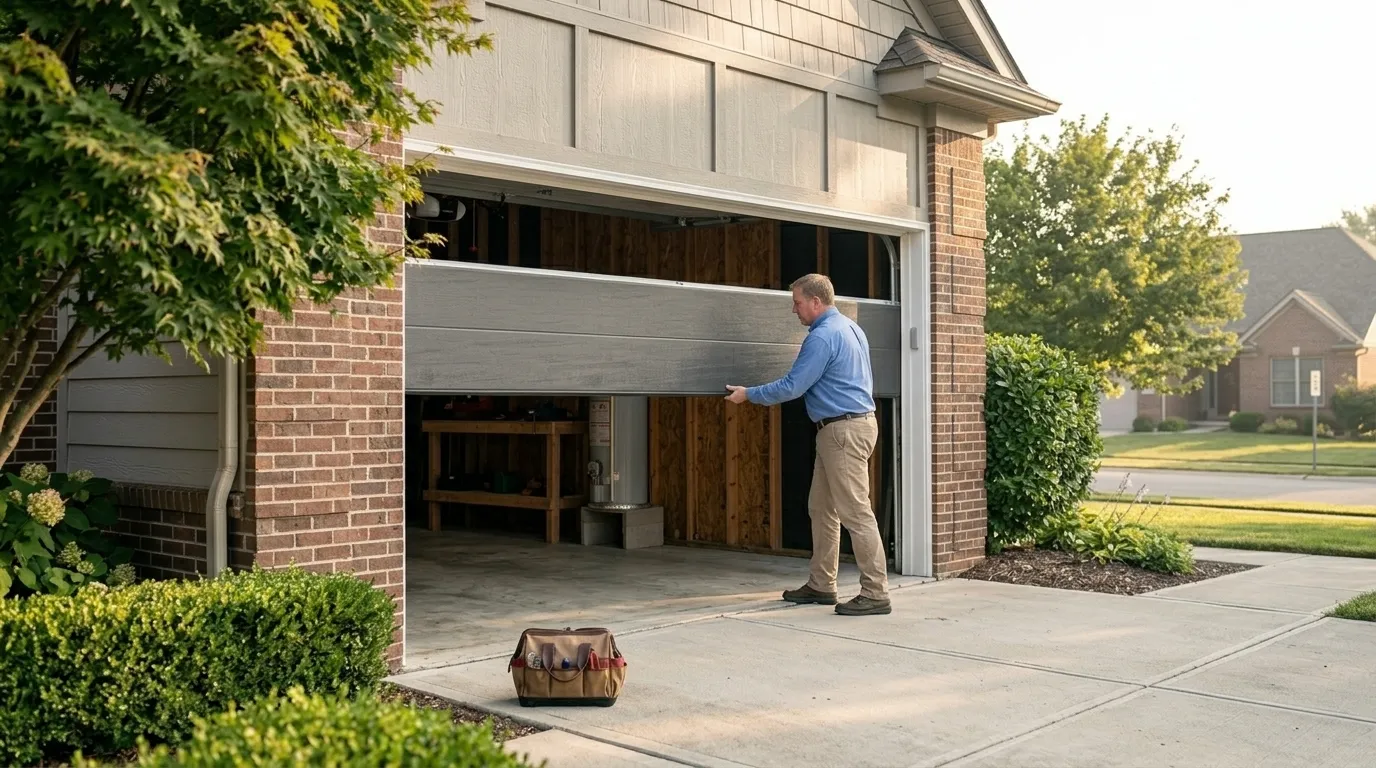
Garage Door Repair
Springs, cables, tracks, rollers, and openers fixed by a tech who explains the problem before touching anything.
Learn more →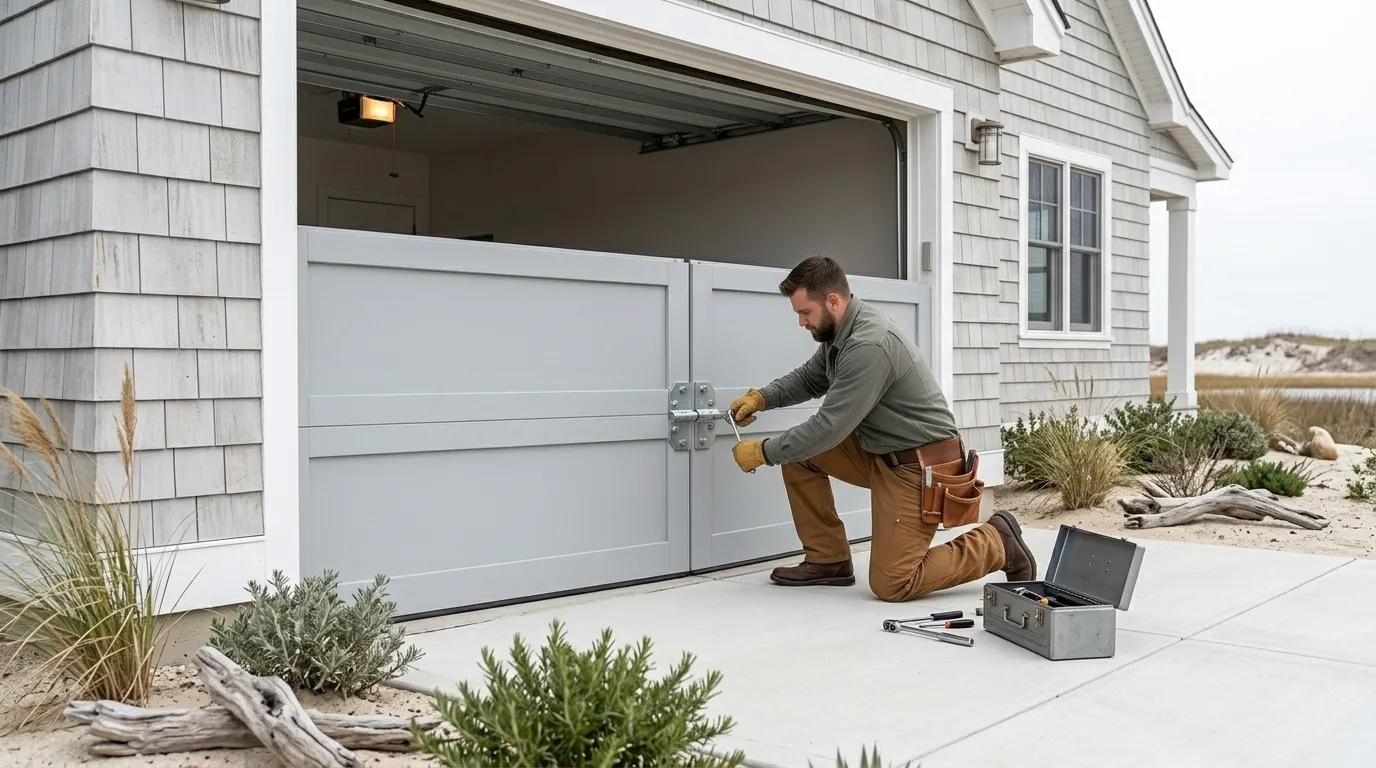
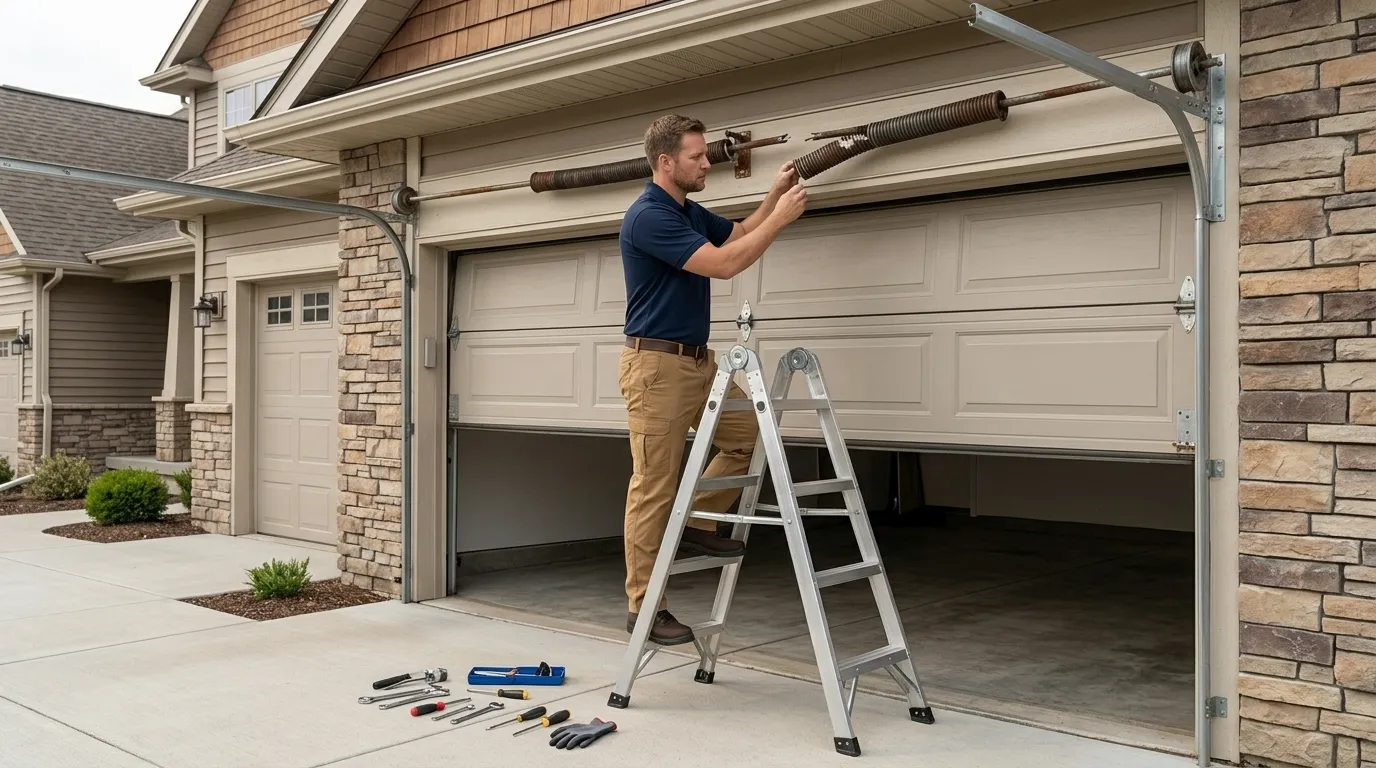
Garage Door Spring Repair
Broken torsion and extension springs replaced and the door rebalanced in the same visit.
Learn more →The Split Between Old and New
Across the wider service area the median home was built in 1962, but Moraga runs newer - its median is 1972. That ten-year gap matters more than it sounds like it should.
A house built in 1962 usually still has its original extension-spring setup bolted to the header, the kind that's been failing quietly for two decades. A house built in 1972 is more likely to have an early torsion conversion, or at least a wider door opening sized for the two-car garages that became standard around then.
Moraga isn't uniform, though. Some of the older lots here predate that median by ten or fifteen years, sitting closer to the service area's 1938 low end, while newer infill pushes the other direction. That split is the reason we ask the build decade before we ask what's wrong with the door - a 1958 door and a 1978 door in the same driveway can fail for completely different reasons, and the parts on the truck are different for each.
We don't treat this town like a single housing type, because it isn't one. The 1972 median is a midpoint, not a description of every garage on the street.
What the Housing Means for Your Door
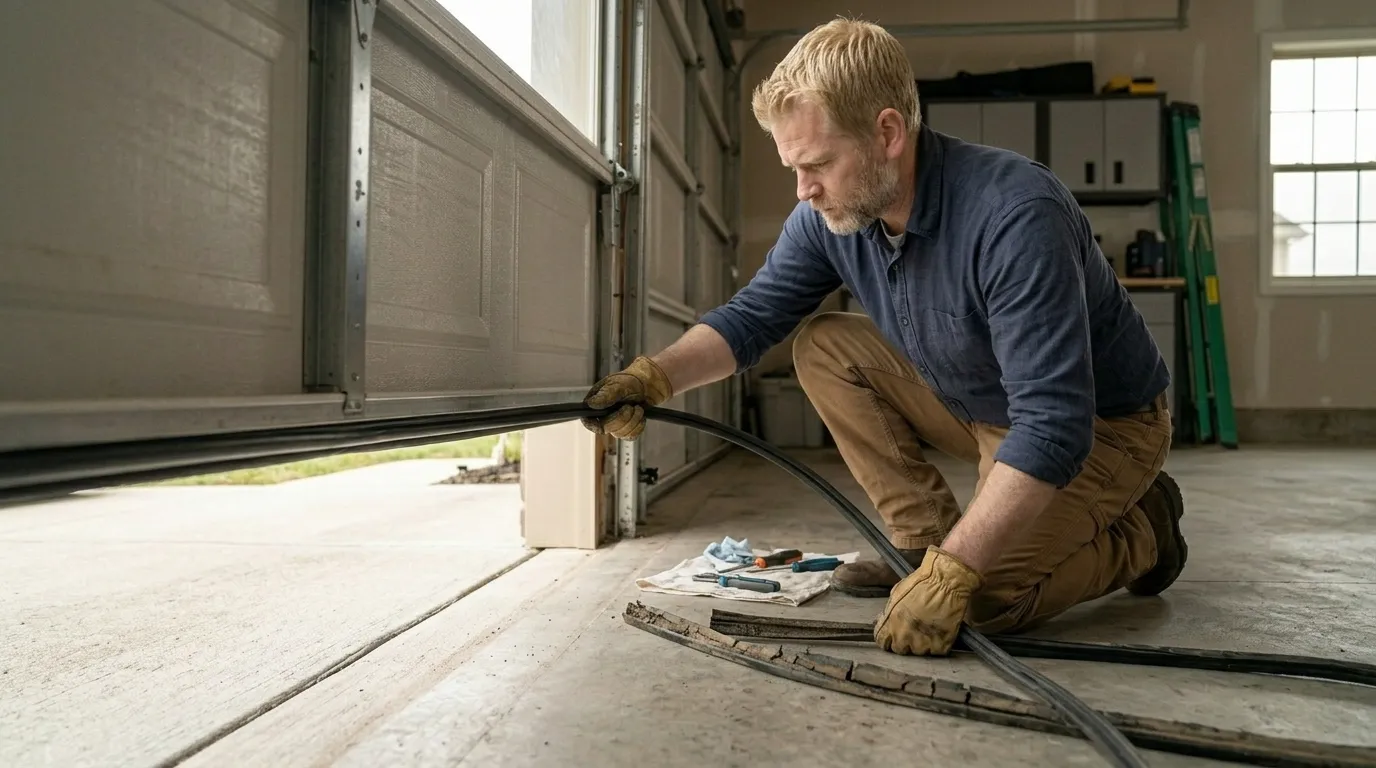
A door installed near the 1972 median is old enough that its factory torsion spring has almost certainly cycled past its rated life, but new enough that it's probably torsion, not extension - which changes how the repair goes and what it costs. Extension springs (more common on the pre-1962 end of the range) sit along the horizontal track and are the ones that hurt people when they let go; torsion springs sit on a bar above the door and fail more predictably.
The mild temperate climate here doesn't add the wear you'd see in a place with real freeze-thaw cycles or heavy humidity swings. Steel doesn't rust out from moisture the way it does in wetter climates, and openers don't get the same seasonal strain. What still fails is what always fails on a 50-year-old mechanism: spring fatigue, worn rollers, cables that have stretched past spec, and openers original to a 1970s build that were never meant to run this long.
One limitation worth being honest about: if your door is an original 1960s or early-70s panel design, we may not be able to source a matching replacement panel. At that point the honest recommendation is often full door replacement rather than a patch that won't match.
What Was Built Here
Moraga's 5,628 households sit inside a service area that covers 449,915 households total, so this is a small slice of a much bigger territory - and a distinct one. The median household income here is $199,800, well above the service area median of $152,131. That gap shows up in the calls we get: fewer requests to squeeze one more year out of a dying spring, more requests to replace an aging opener with something quieter and better insulated before it fully fails.
The broader service area's housing stock runs 1938 to 1988, with most of the 52 named areas clustering in that 1960s-70s band. Moraga's own 1972 median puts it on the newer side of that range, which generally means wider standard door openings, house-integrated garages rather than detached structures, and hardware that's a design generation past the earliest torsion springs the service area ever saw. None of that means these doors are in good shape - 1972 is still over fifty years old - it just means the failure points are slightly different than what you'd find on an older street.
The Drive Over
San Francisco Garage Door Pros runs out of San Francisco, and Moraga is 17 miles from there - not a short trip, and not one we pretend to shorten. There's no depot here and no crew that lives around the corner; every job means a truck making that drive, in mild temperate conditions that don't usually complicate travel the way heat waves or ice storms would elsewhere.
We're upfront about what that distance means: this isn't a five-minute-response kind of job, and we're not going to claim otherwise. What it does mean is that when the truck is on-site, it's stocked for the kind of door this town actually has - the torsion-era hardware that's more common here than in the older, extension-spring end of the territory.
What Happens When You Call
-
1
Call or Request a Quote
Tell us what the door is doing and roughly how old the house is - that alone points us toward the likely part before a truck leaves.
-
2
On-Site Diagnosis
A tech checks the spring, cables, tracks, and opener in person and tells you plainly what is actually wrong.
-
3
Straight Price, No Surprises
You get a number before any work starts. It covers parts and labor, nothing added after the fact.
-
4
Fixed the Same Visit
Most repairs are done in one trip. If a part needs sourcing, we tell you that upfront instead of guessing.
Recent Work Near Moraga
Frequently Asked Questions
Is my garage door old enough that parts won't be available?
It depends on the exact door. Moraga's median build year is 1972, and doors from that era are more likely to be torsion setups with parts still in common production than the extension-spring doors on older 1950s-60s lots elsewhere in the territory. Original decorative panels are the harder find - the springs, cables, and rollers are usually standard sizes.
Does the mild climate here mean less wear on garage doors?
It helps. The service area's mild temperate climate doesn't put doors through the freeze-thaw cycling or heavy humidity swings that cause rust and warping elsewhere. What still wears out on a garage door here is mechanical fatigue - springs, rollers, and cables that have simply cycled thousands of times over 50 years.
Do you have a location in Moraga?
No. We're based in San Francisco, 17 miles away, and travel out for each job. There's no local depot or standing crew here, so scheduling reflects that drive rather than a same-town response time.
Should I replace or repair a door from the early 1970s?
If the door is original to a house built near the 1972 median and the panels are damaged rather than just the spring or opener, replacement is often the more honest recommendation - matching panels from that era usually aren't available new. A spring, cable, or roller repair on sound panels is a different conversation.