
San Francisco, CA
Nearby Community
Garage Door Service for Ross, CA
Ross homes date to a median year of 1938, decades older than most of the service area. We work on the original hardware that comes with that, from San Francisco.
- Licensed & Insured
- Same-Area Service Calls
- Upfront Pricing
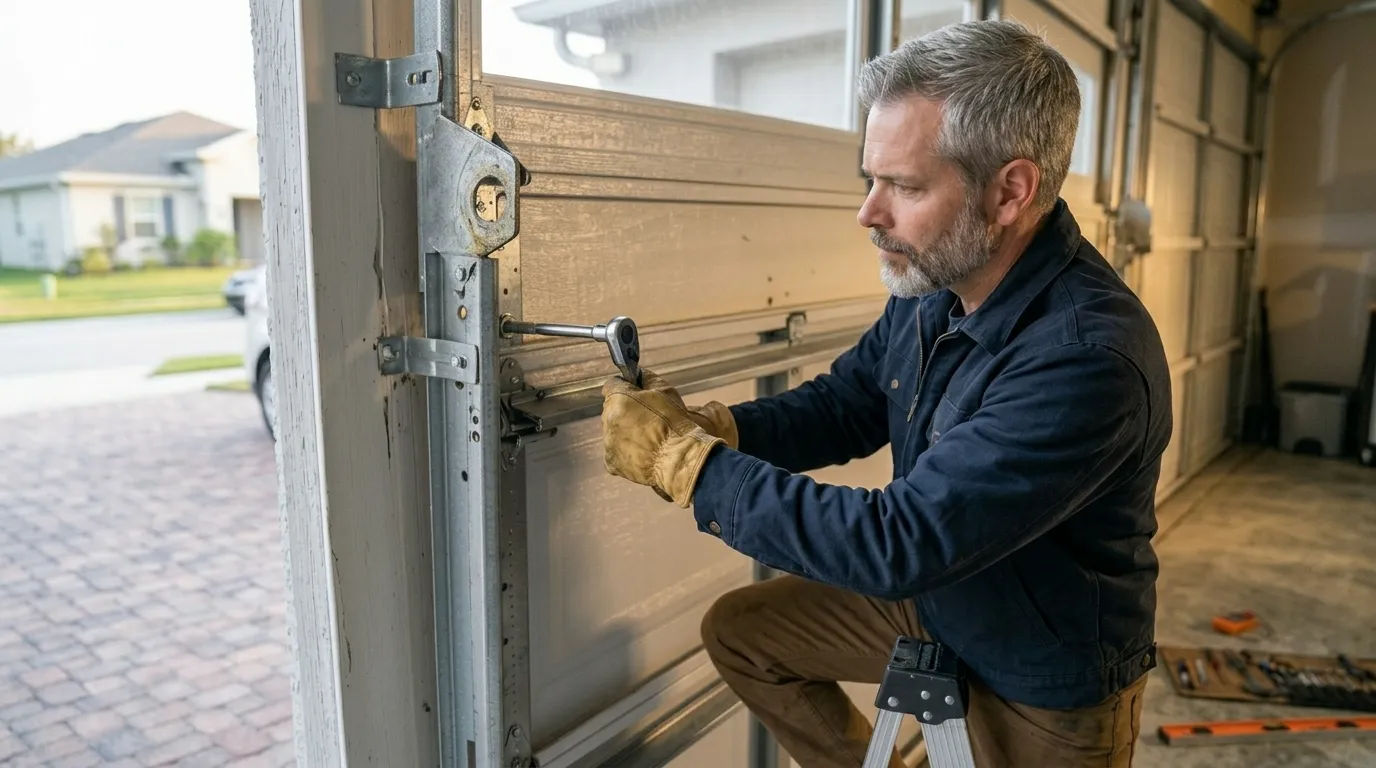
Garage Door Services in Ross
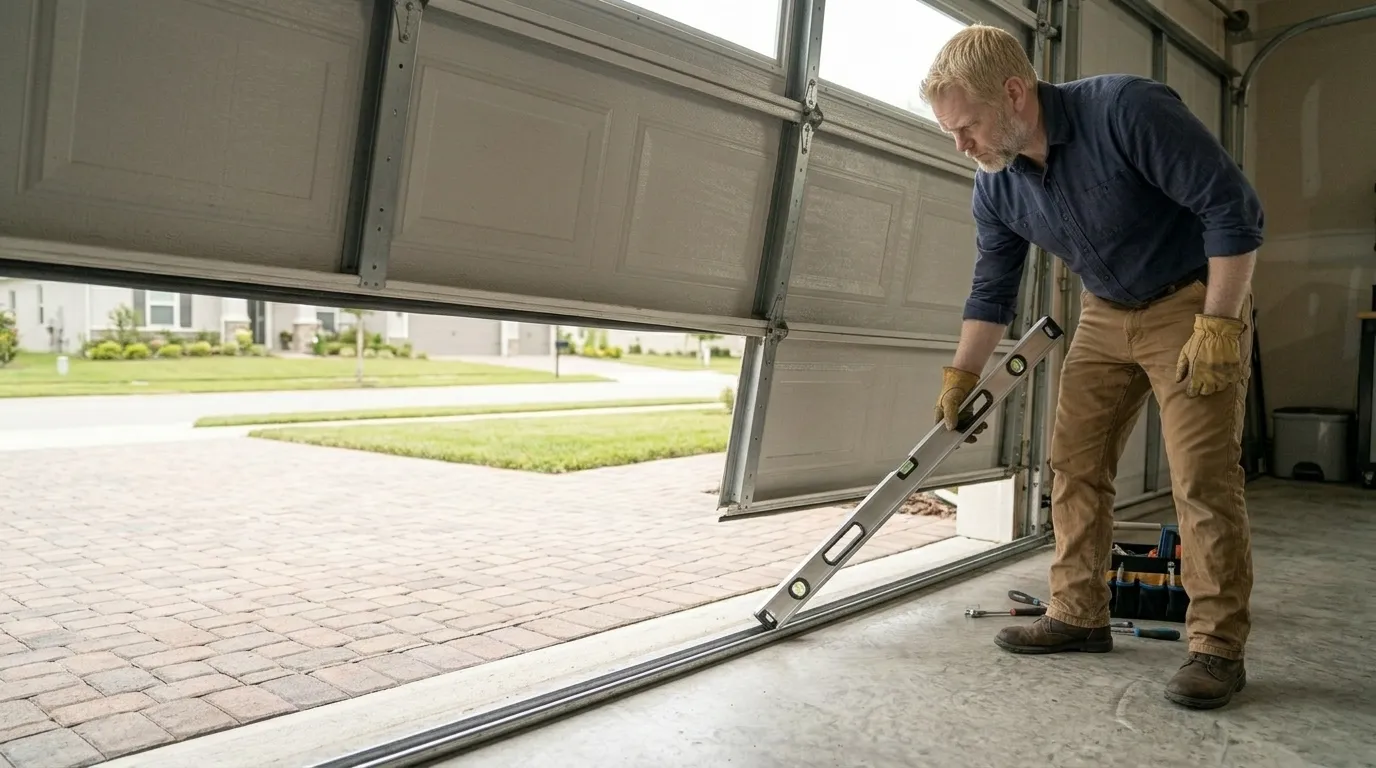
Garage Door Roller Replacement
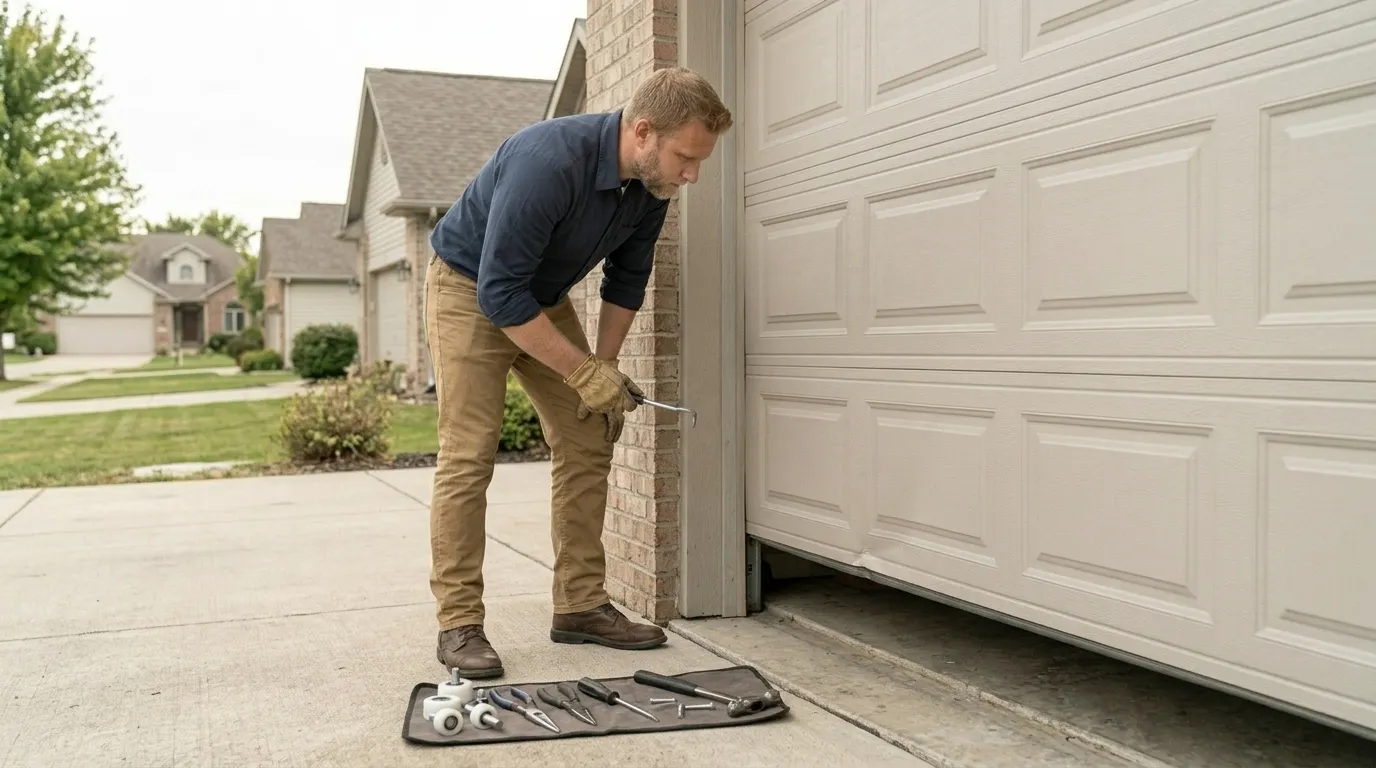
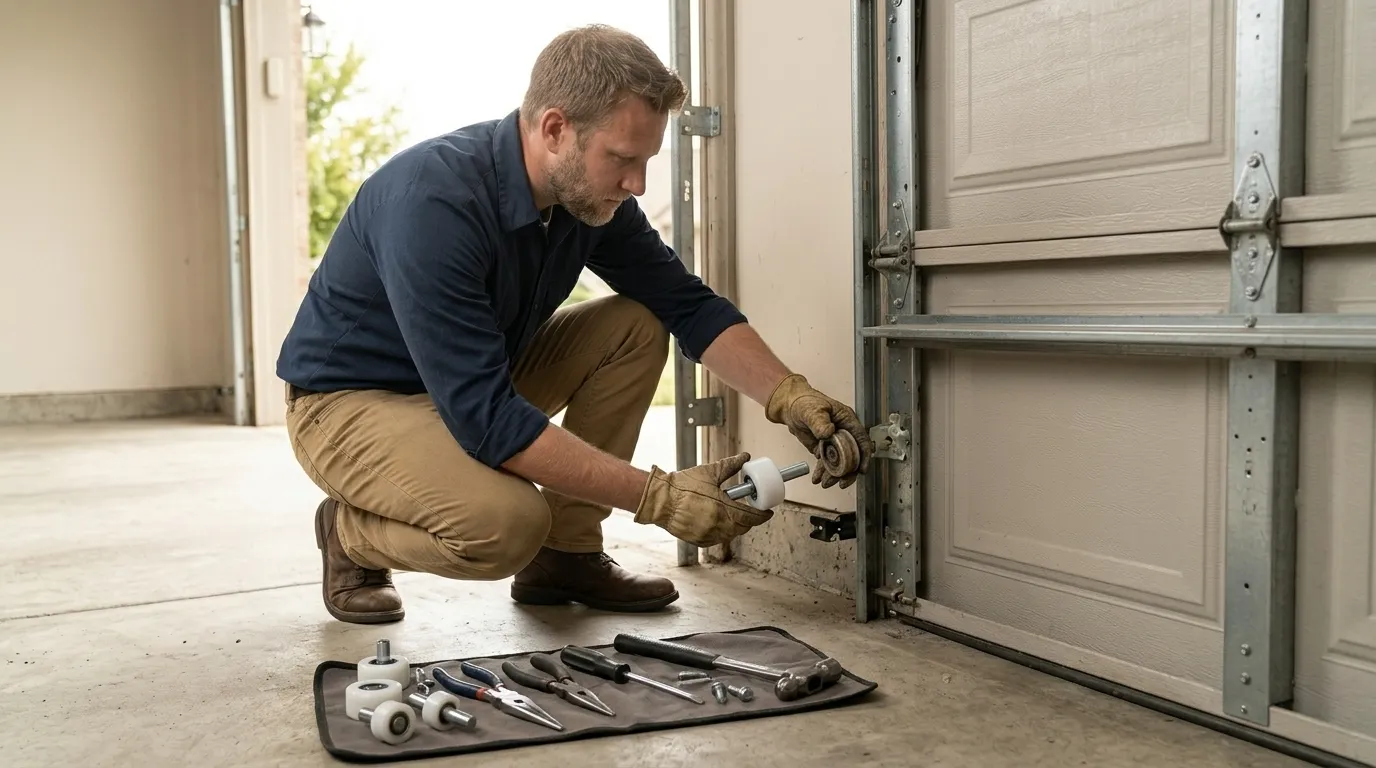
Worn, noisy rollers swapped for smooth nylon ones so the door runs quiet.
Learn more →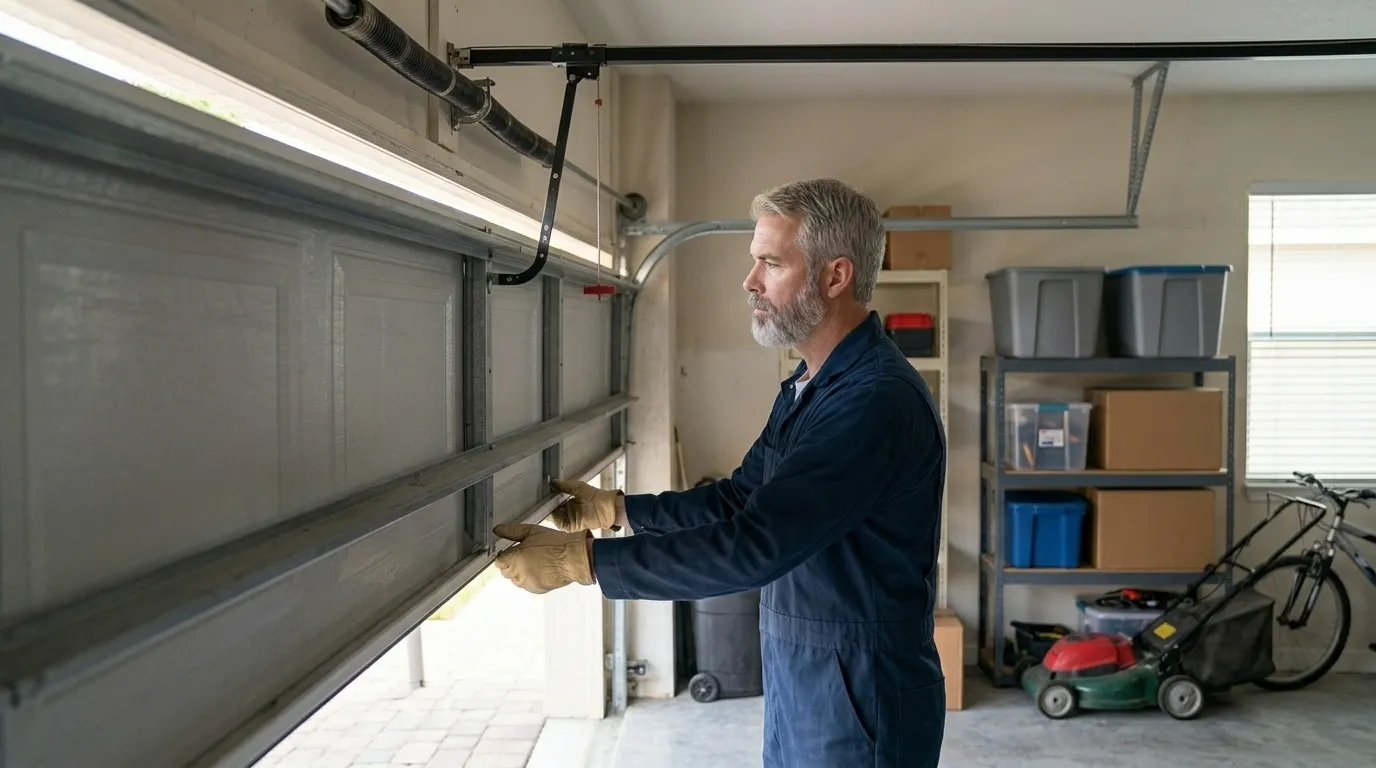
Garage Door Spring Repair
Broken torsion and extension springs replaced and the door rebalanced in the same visit.
Learn more →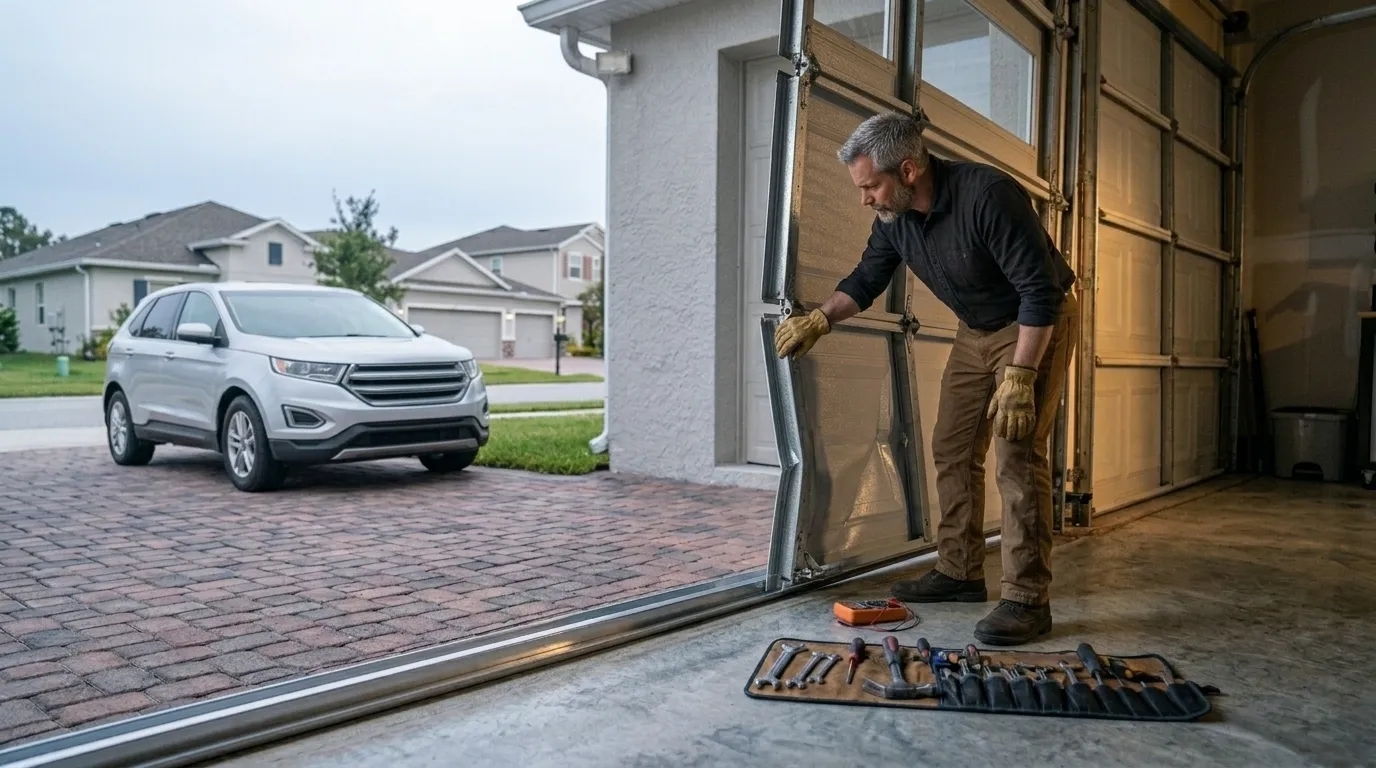
Garage Door Repair
Springs, cables, tracks, rollers, and openers fixed by a tech who explains the problem before touching anything.
Learn more →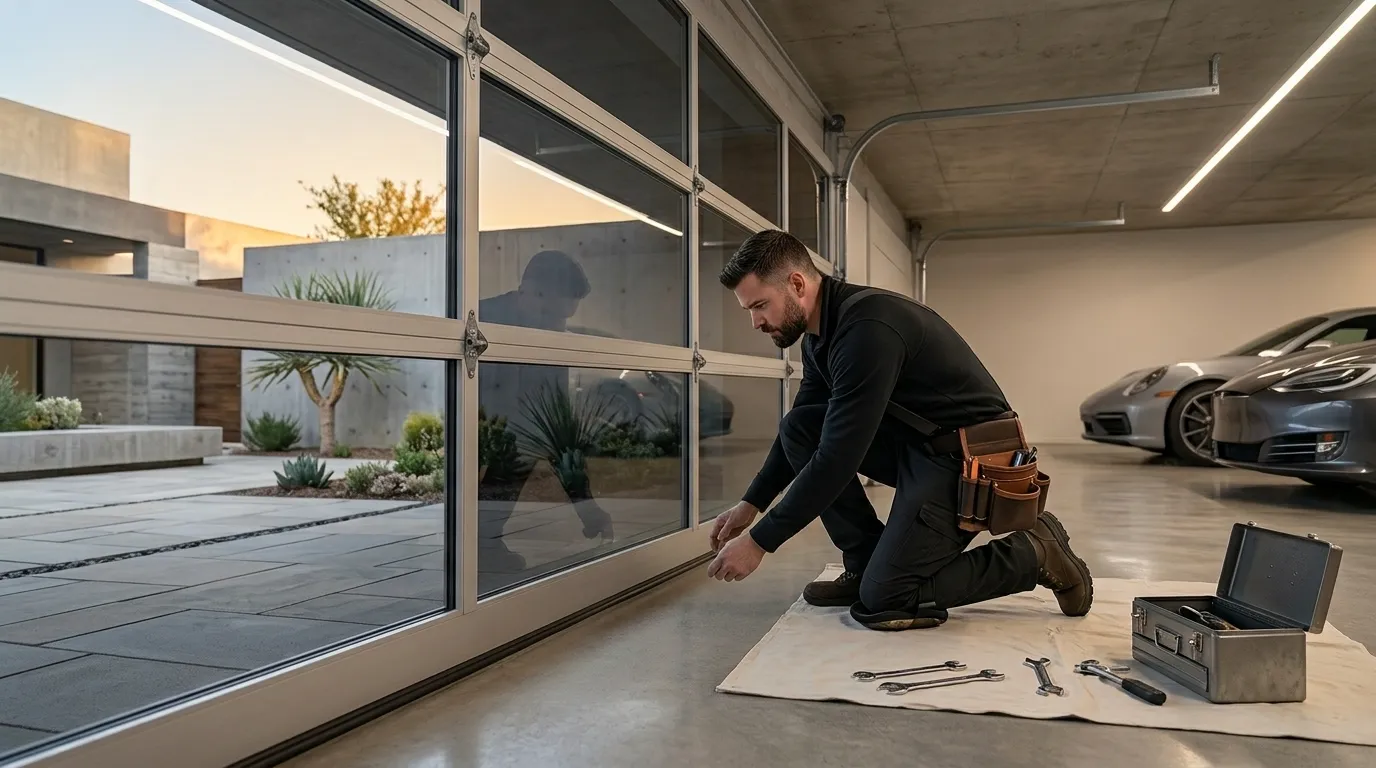
Garage Door Service
Tune-ups, lubrication, and safety checks that catch a small problem before it becomes a service call.
Learn more →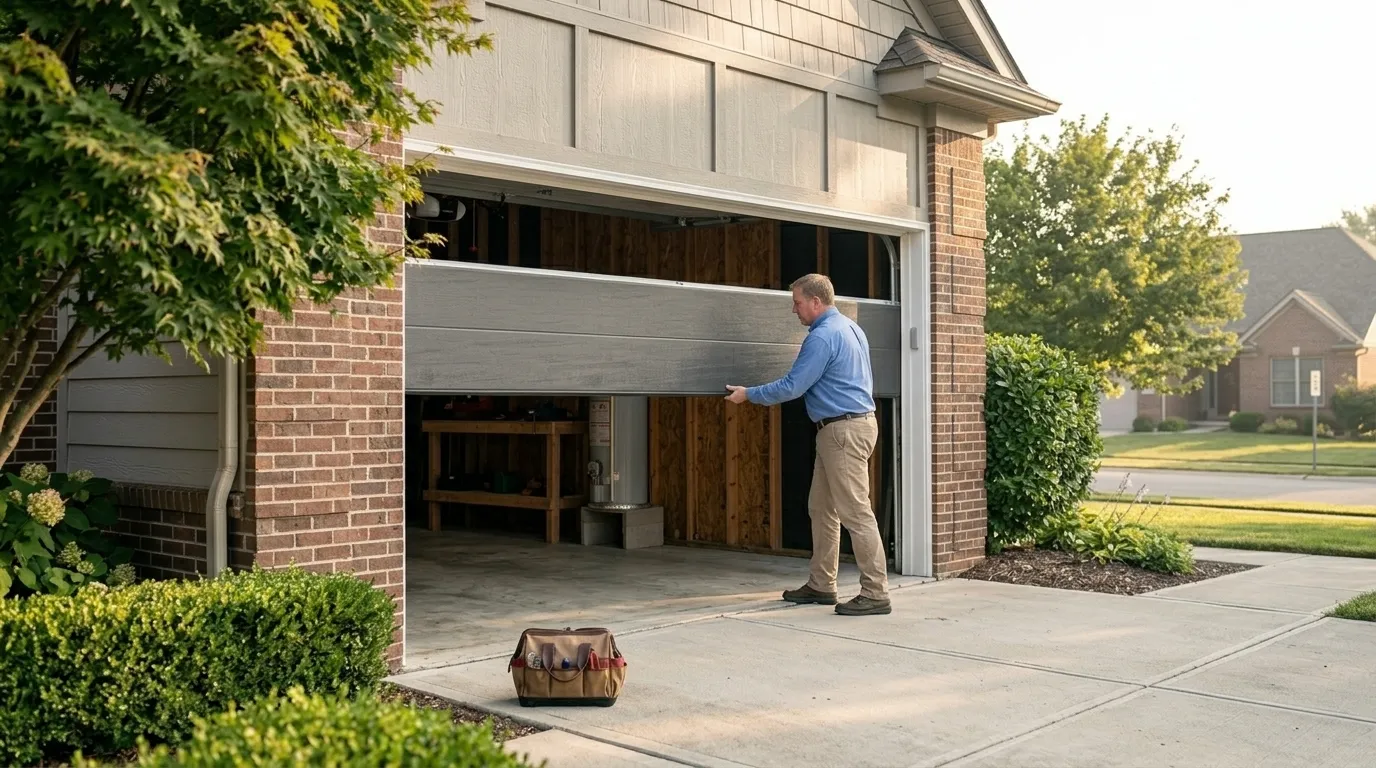
Garage Door Panel Replacement
Dented or cracked panels swapped without replacing the whole door where the frame is sound.
Learn more →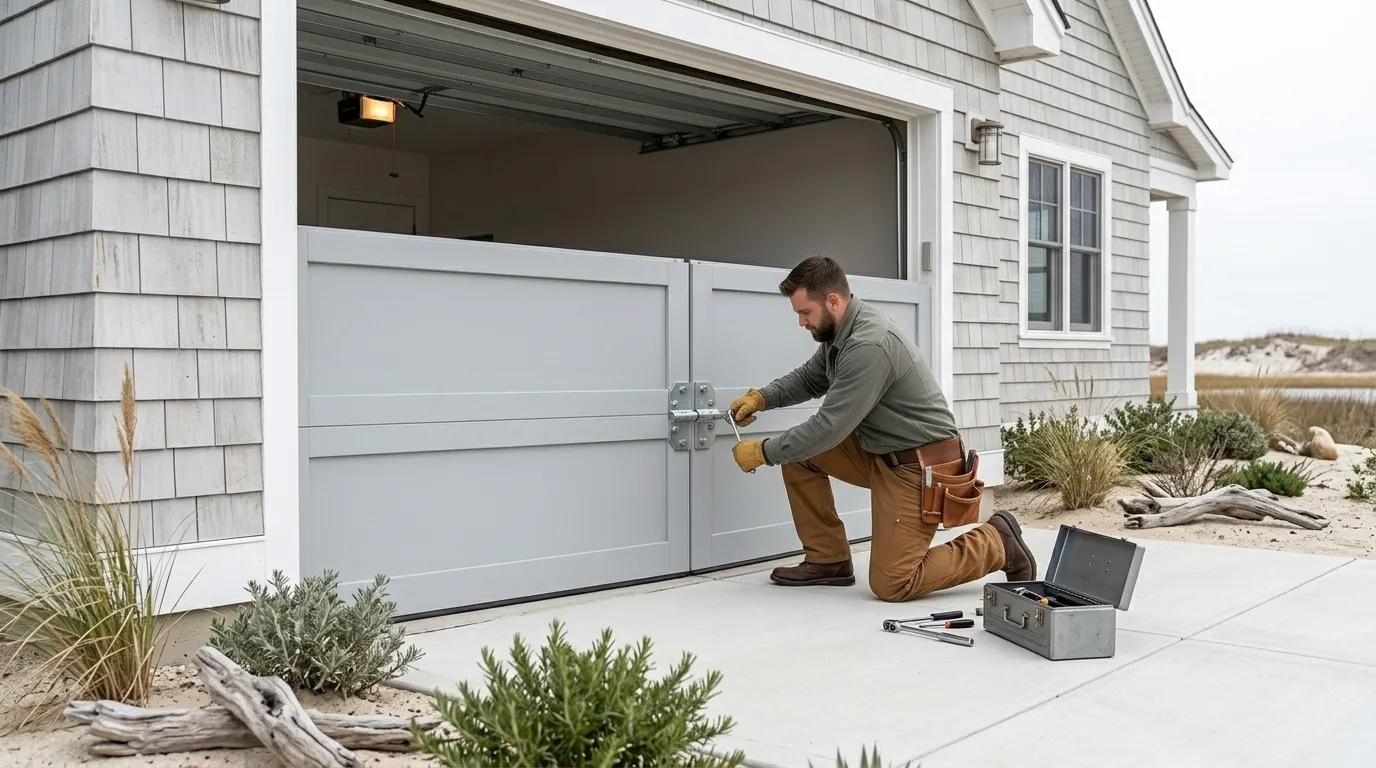
Garage Door Installation
New sectional doors sized and installed for the housing stock actually built in this area.
Learn more →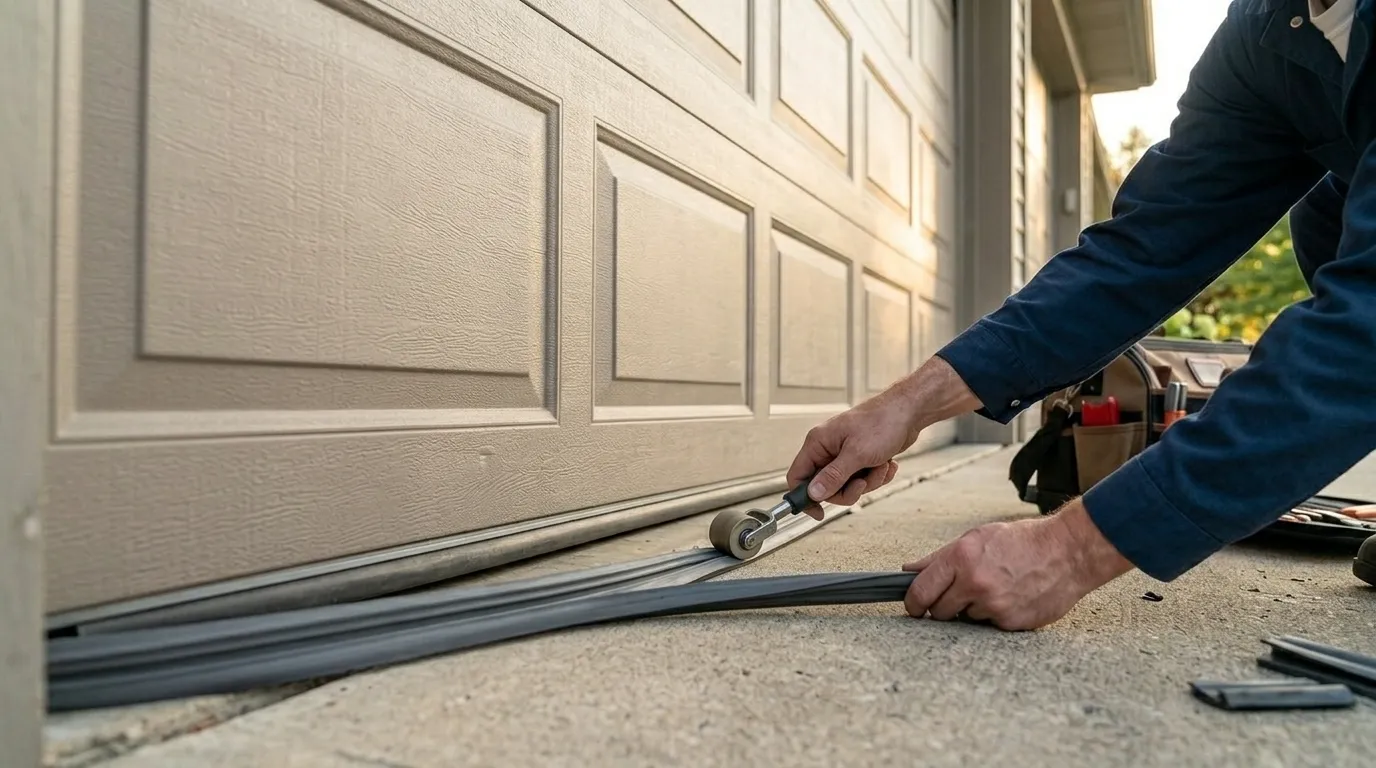
Commercial Garage Door
Commercial Garage Door handled by trained, insured local technicians with upfront pricing.
Learn more →The Split Between Old and New
Ross doesn't match the rest of the area we cover. Across the wider service territory the median house was built around 1962, mostly 1960s and 70s construction.
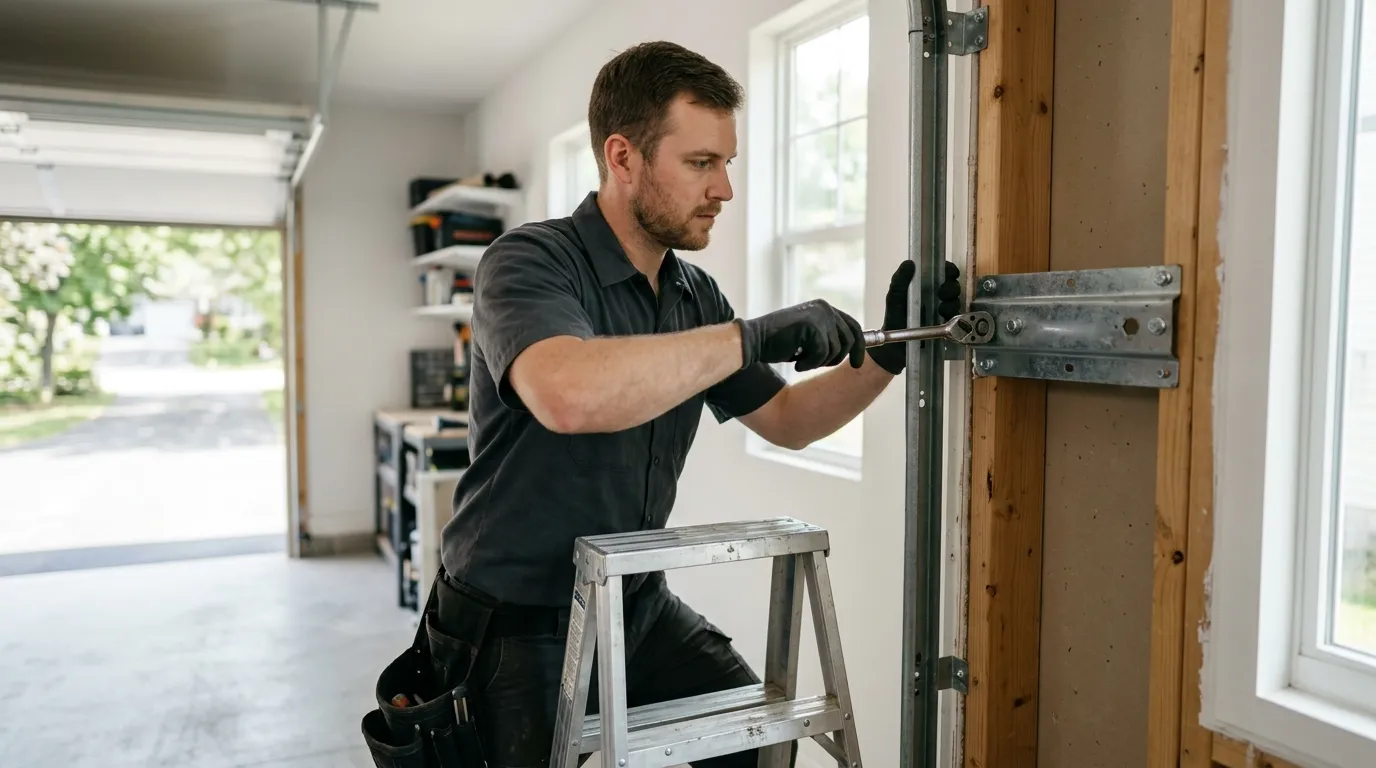
Ross sits well ahead of that curve, with a median build year of 1938. That's a full generation older, and it means the garage doors we find here skew older too, in both the door itself and the track and spring hardware bolted to the framing around it.
A door installed to match a 1938 structure, or added on later as garages became standard, often carries hardware that was never updated to today's spring and cable standards. We see this split play out block by block in this area: a house from the 1930s next to a garage that was clearly retrofitted decades after the fact. That mismatch between the age of the structure and the age of the door is the first thing we look at on any call here, because it usually explains the fault before we even open the panel.
What the Housing Means for Your Door
With only 876 households in Ross, this isn't a high-volume area for us, but the homes here tend to be well kept and the garages built to last. Older construction from the 1930s era typically means narrower garage openings than what you'd find in a 1960s or 70s subdivision, and single-door setups are more common than the wide double-door garages built later across the rest of the area.
Narrower, older openings often run on hardware that's harder to source new parts for, particularly older torsion or extension spring configurations that predate the more standardized systems installed from the 1960s onward. We don't stock parts on a truck stationed nearby, so if a job needs an unusual size or an older bracket pattern, expect that to add to the timeline. That's the honest limitation: older hardware sometimes means a return trip once the right part is in hand, rather than a same-visit fix.
What Was Built Here
The median year built in Ross is 1938, which puts a large share of the housing stock here in the pre-war and early post-war era. That's meaningfully older than the 1938-1988 range and 1962 median we see across the broader area we serve. Median household income here is $250,001, well above the service-area median of $152,131, and that tends to track with homes that have had multiple rounds of upgrades over the decades, garage doors included.
Even with upgrades, the bones of an older garage often stay the same: the header, the framing width, the way the door was originally hung. When a homeowner replaces a door on a structure this old, we're usually working around dimensions and mounting points that a newer builder wouldn't have to think about.
The climate here is mild temperate, so we're not chasing the kind of humidity or freeze-thaw damage that shortens hardware life elsewhere. Age of the structure, not weather, is the bigger factor in what we find on these calls.
The Drive Over
Ross is about 15 miles from San Francisco, and we make that drive when a job here needs us. We're not based in Ross and don't keep a depot in town, so we're not the fastest call for a same-hour emergency the way a local outfit might be. What we bring instead is a fuller read on what's actually installed behind the panel once we're on site.
Since this area sits inside our wider coverage, which stretches out to towns like Stinson Beach, Kentfield, and Hillsborough at similar distances, a Ross visit fits into routes we're already running through this part of the map. If your door is a genuine emergency and speed matters more than anything else, it's worth knowing upfront that we're traveling in rather than already parked around the corner.
What Happens When You Call
-
1
Call or Request a Quote
Tell us what the door is doing and roughly how old the house is - that alone points us toward the likely part before a truck leaves.
-
2
On-Site Diagnosis
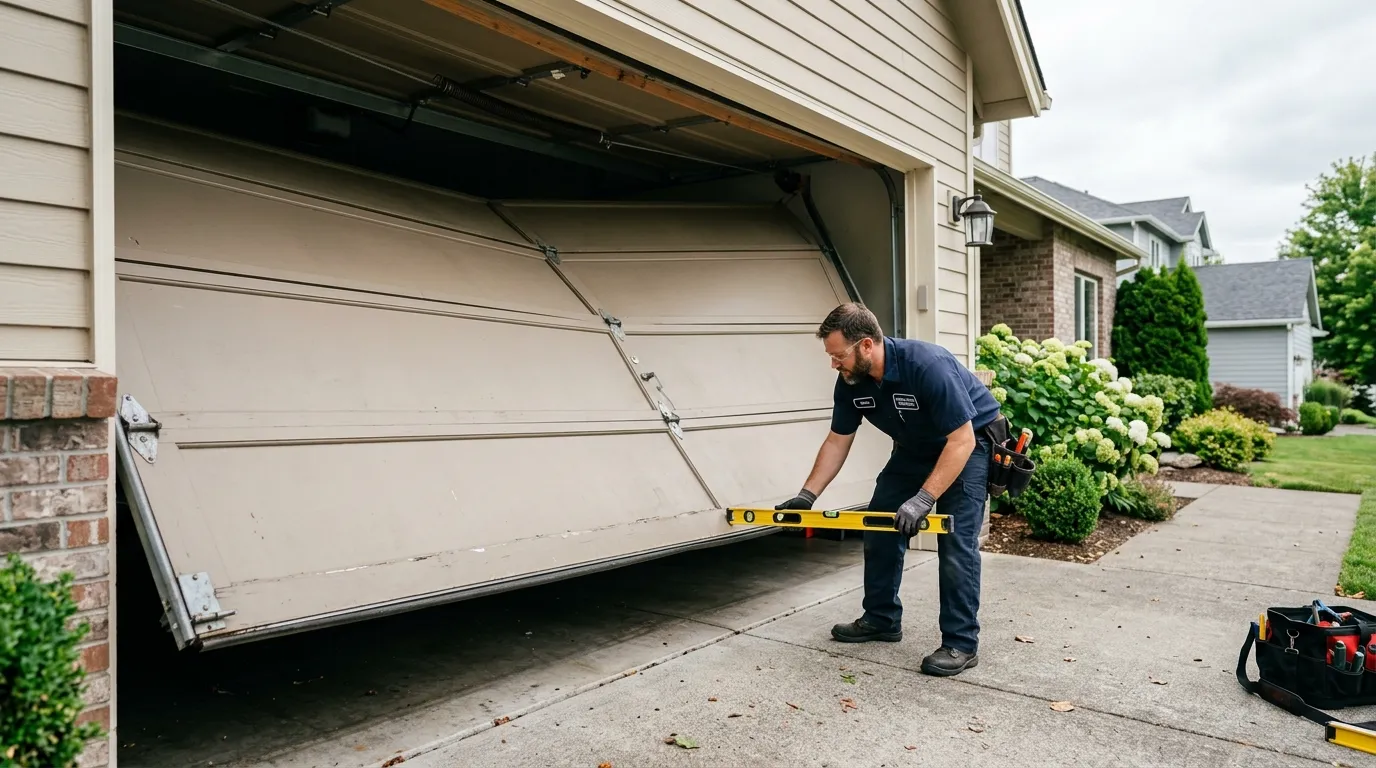
A tech checks the spring, cables, tracks, and opener in person and tells you plainly what is actually wrong.
-
3
Straight Price, No Surprises
You get a number before any work starts. It covers parts and labor, nothing added after the fact.
-
4
Fixed the Same Visit
Most repairs are done in one trip. If a part needs sourcing, we tell you that upfront instead of guessing.
Recent Work Near Ross
Frequently Asked Questions
Why does my garage door look different from newer ones I see nearby?
Ross has a median build year of 1938, much older than the 1960s-70s stock common across most of the area we cover. Older structures often have narrower openings and different mounting hardware than doors installed on later construction, which is why a Ross garage can look and behave differently from one just a few towns over.
Do you keep a truck stocked near Ross?
No. We travel to Ross from San Francisco, about 15 miles away. We don't operate a depot in town, so if your door needs an uncommon or older part, factor in that we may need a second trip once we've confirmed exactly what's required.
Is an older garage door harder to repair than a newer one?
Not necessarily harder, but often different. Hardware from the 1930s and 40s era can use bracket patterns or spring setups that aren't the standard stocked on most trucks. We can usually still fix it, but sourcing the right part sometimes takes longer than a repair on newer, more common hardware.
Does Ross's mild climate mean less wear on garage door parts?
The mild temperate climate here helps some, since we're not dealing with the freeze-thaw cycling or heavy humidity swings that speed up corrosion elsewhere. That said, on a structure with a 1938 median build year, age of the hardware itself is usually the bigger factor in wear than the weather has been.