
San Francisco, CA
Garage Door Repair in San Bruno
Garage Door Repair for San Bruno Homes
Garage door repair for San Bruno, CA, 10 miles from San Francisco. We know the 1961-era torsion hardware common on this side of the Peninsula.
- Licensed & Insured
- Same-Area Service Calls
- Upfront Pricing
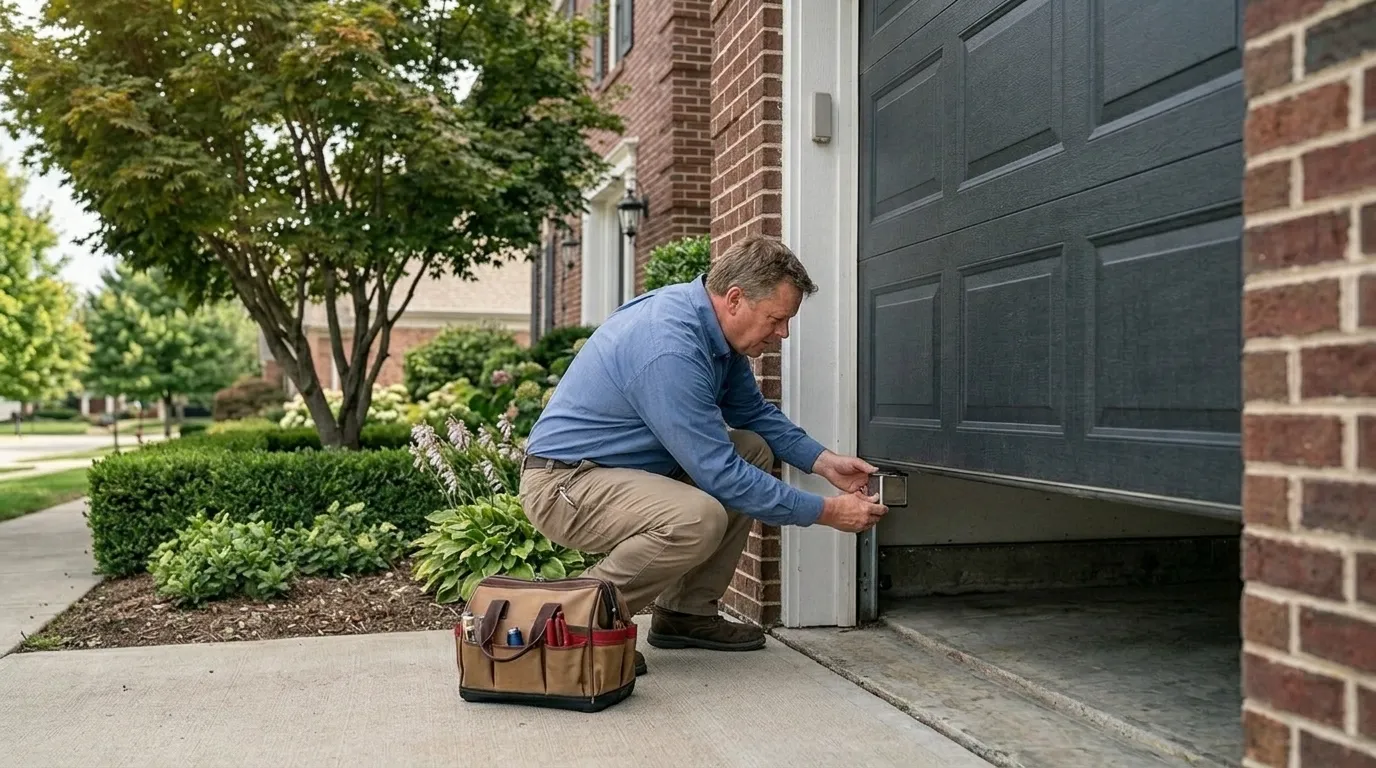
What Happens When You Call
-
1
Call or Request a Quote
Tell us what the door is doing and roughly how old the house is - that alone points us toward the likely part before a truck leaves.
-
2
On-Site Diagnosis
A tech checks the spring, cables, tracks, and opener in person and tells you plainly what is actually wrong.
-
3
Straight Price, No Surprises
You get a number before any work starts. It covers parts and labor, nothing added after the fact.
-
4
Fixed the Same Visit
Most repairs are done in one trip. If a part needs sourcing, we tell you that upfront instead of guessing.
What Can Go Wrong
Most of what fails on a San Bruno garage door traces straight back to when the house was built. The service area we cover spans homes from 1938 to 1988, but San Bruno itself sits right at the middle of that window with a median build year of 1961. That means torsion springs on steel shafts, not the newer extension-spring setups you'll find in later subdivisions further out.
These springs were sized for the original doors, which were lighter than the insulated steel panels a lot of owners have since swapped in. A heavier replacement door running on a 60-year-old spring calculation is a common way we find a cable snapped or a spring gone slack halfway through its expected life.
Rollers and hinges from this era are usually steel-on-steel, no nylon, so they wear loud and they wear unevenly - one side of the track drags before the other side even shows a mark. Openers get retrofitted onto original tracks that were never drilled for a motor bracket, and that mismatch is where we see stripped gears and chain slap.
None of this is exotic. It's just what happens when a 1961 door frame carries equipment built for 2024 expectations.
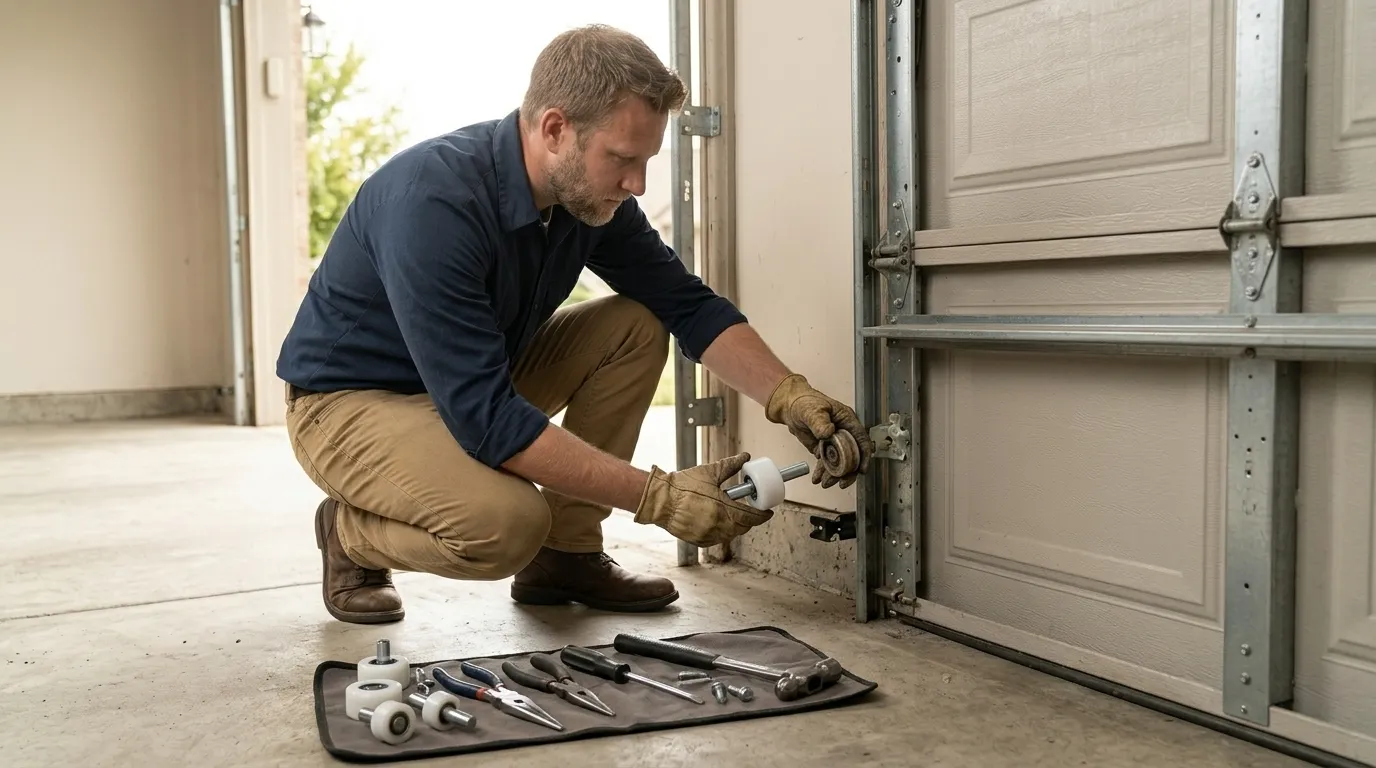
How Long You Are Without the Door
We work out of San Francisco, roughly 10 miles from San Bruno, so the drive itself isn't the variable that decides how long you're stuck. What decides it is the part.
A torsion spring, a cable, or a roller set for a door this age is usually a stock item, and that job closes out the same visit. What isn't stock is anything specific to an original 1960s panel or an obsolete track width - if a homeowner wants to match rather than replace, that part can take longer to source, and we'll tell you straight when that's the case rather than guess at a date.
Opener trouble is usually the fastest fix of all, since most units on these houses have already been replaced once or twice since 1961 and use common mounting hardware. The slower jobs are the ones where the original wood jamb the track is fastened to has shifted or rotted at the base - that's carpentry as much as it is garage door work, and it adds a step we won't skip just to close the ticket quicker.
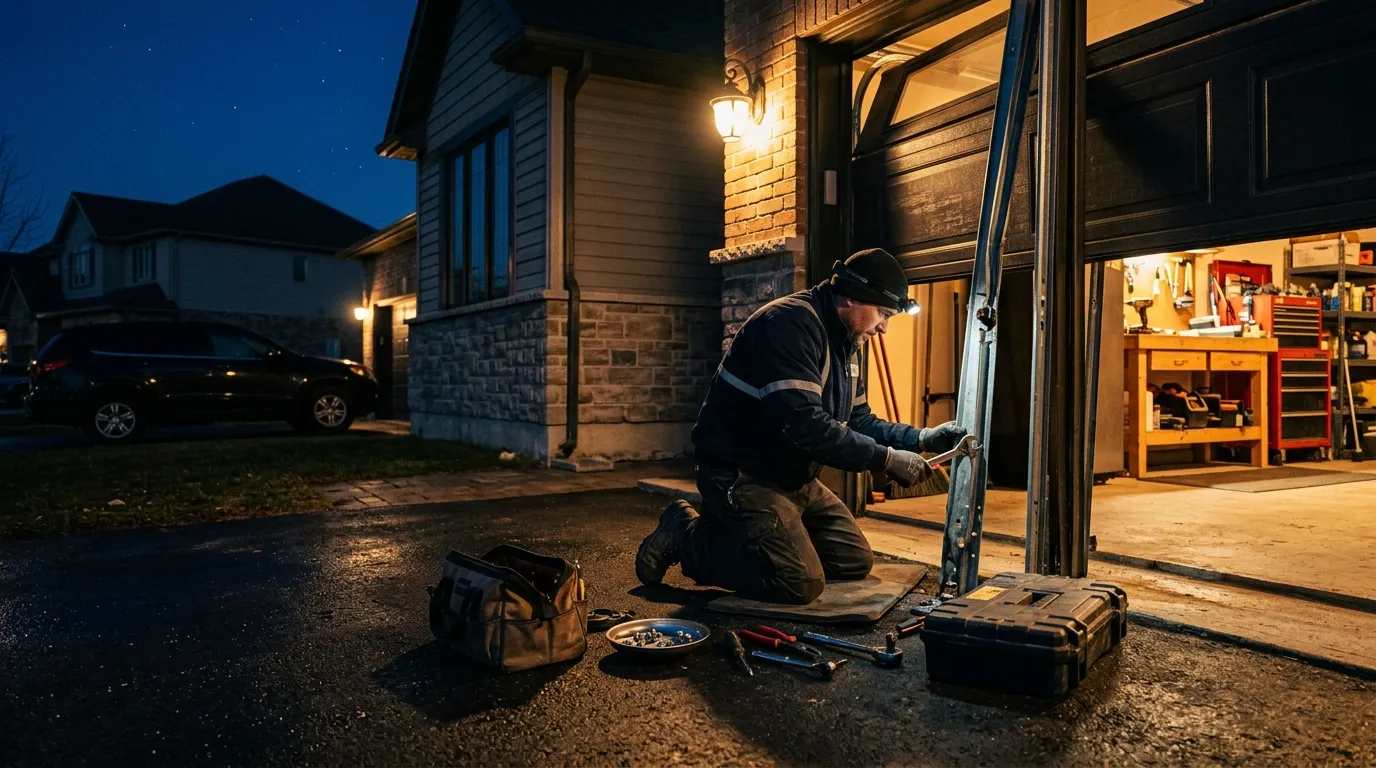
The Cost of This Job
We don't quote a number here without seeing the door, but the age profile of San Bruno housing does shape what a job tends to involve. San Bruno's median household income runs $135,976, noticeably below the $152,131 median across the full service area we work - and it's a figure that matters because it tracks with how many owners here are repairing an original-era door rather than replacing it outright. Repair is almost always the cheaper path when the track, jamb, and opener bracket are still square, which is common on houses built when San Bruno went up mostly around 1961.
Where cost jumps is hardware that doesn't exist anymore - a track width or a spring wind that stopped being manufactured decades back. In that case, we're honest that replacing the section, or sometimes the whole door, beats hunting down a part that costs more to find than to skip. That's not a sales pitch toward a bigger job; it's the same math any owner would do themselves once they hear the numbers.
What the Repair Takes
On a typical San Bruno call, the first thing we check is spring wind and cable tension against what the door weighs now, not what it weighed when the house was built in 1961. If someone upgraded to a heavier insulated door at some point without upgrading the spring, that mismatch is usually the actual fault, not just a symptom.
Next is the track and jamb alignment. Houses from this era settle over sixty-plus years, and a track that was plumb in 1961 can be a quarter-inch off today - small enough that the door still runs, big enough that it binds, jumps the roller, or wears the cable unevenly at one spot. We true that up before touching anything electrical.
Opener work is usually the simplest part: swap the failed gear or logic board, reset the travel limits, done. What takes real time is anything involving an original 1960s panel section, since those aren't a shelf part - if a section needs matching rather than swapping wholesale, we say so up front rather than promise a same-day close we can't back.
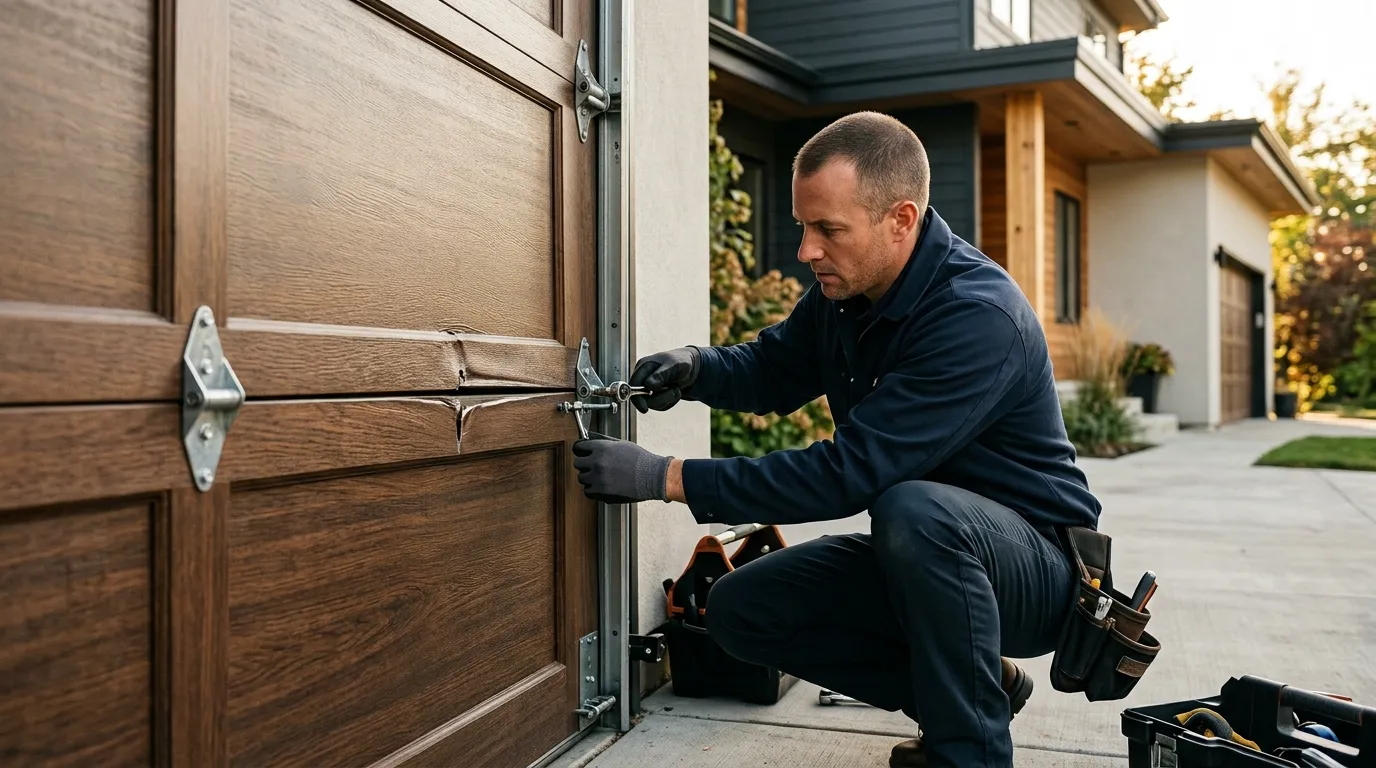
What You Are Seeing
If your door is loud on one side and quiet on the other, that's usually a track out of alignment - common in houses from San Bruno's 1961 building era once framing has settled. If the door won't stay up on its own and drops the last foot on the way down, that's spring tension gone, and on a door this old it's almost always the torsion spring, not the cable.
A door that reverses right after the floor without an obstacle is telling you the opener's force setting no longer matches the door's actual weight - again, often because the door itself was replaced with something heavier at some point after the house was built. And if the opener runs but the door doesn't move at all, check the gear inside the unit before assuming the motor's dead; that's the more common failure on units of this vintage. None of these are emergencies that need to wait on us - they're just wear patterns tied to a house pushing sixty years old.
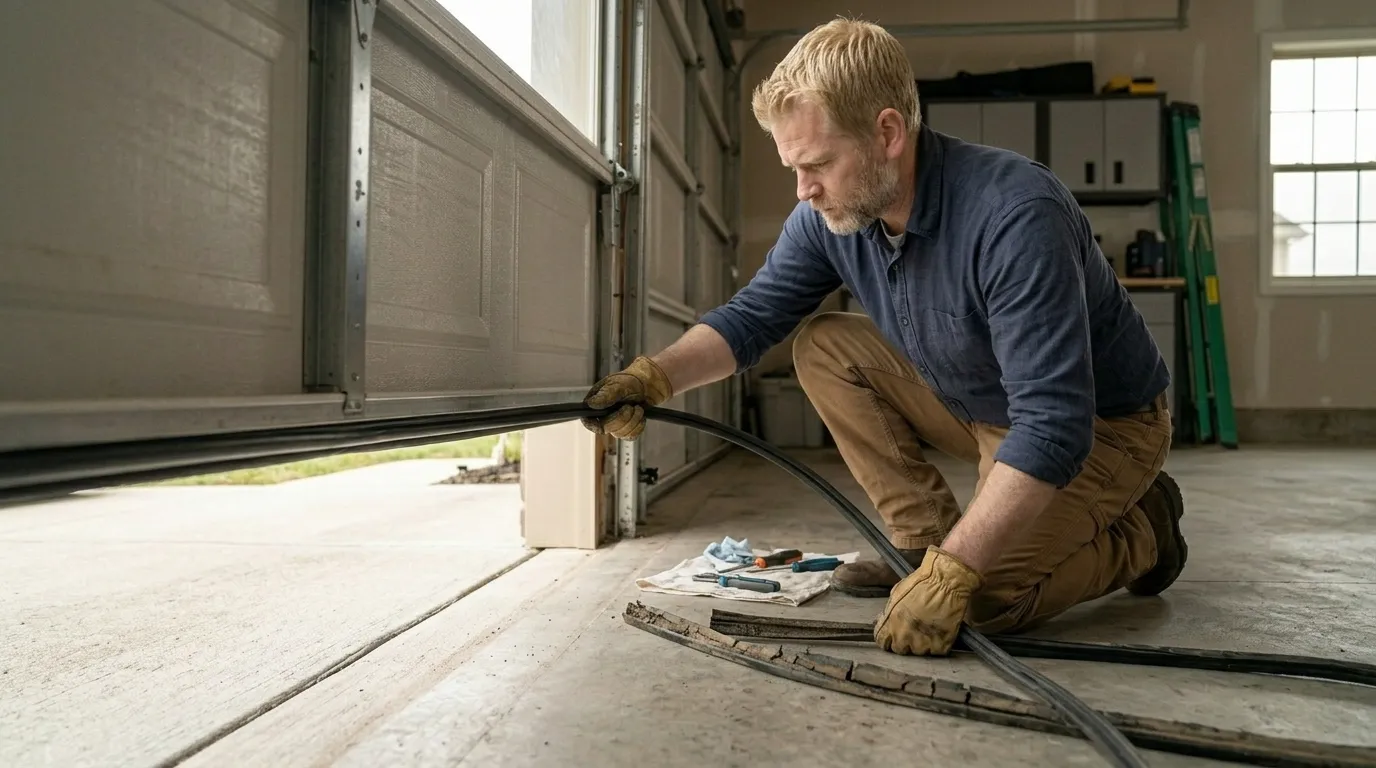
Talk to a San Bruno Technician First
Describe what the door is doing and get a straight answer on what it likely needs.
Other Garage Door Services in San Bruno
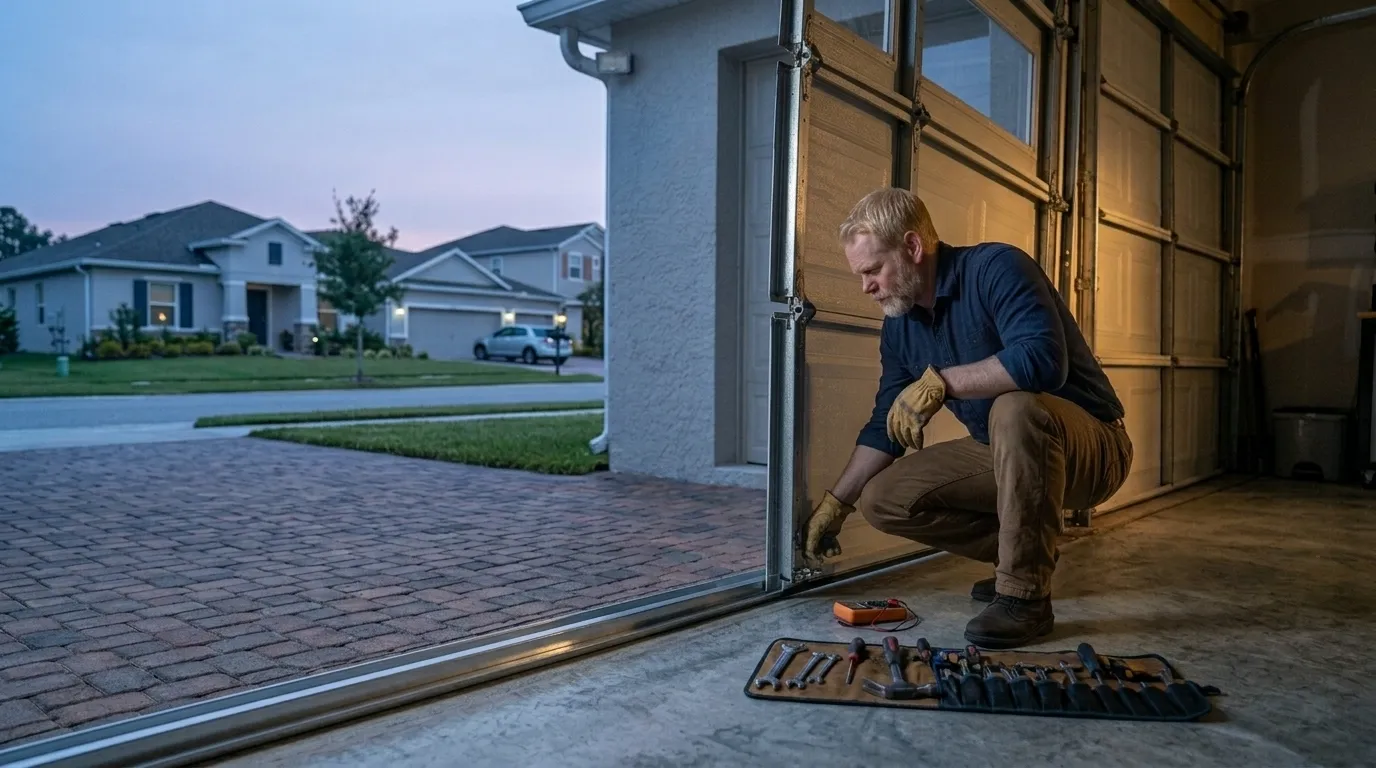
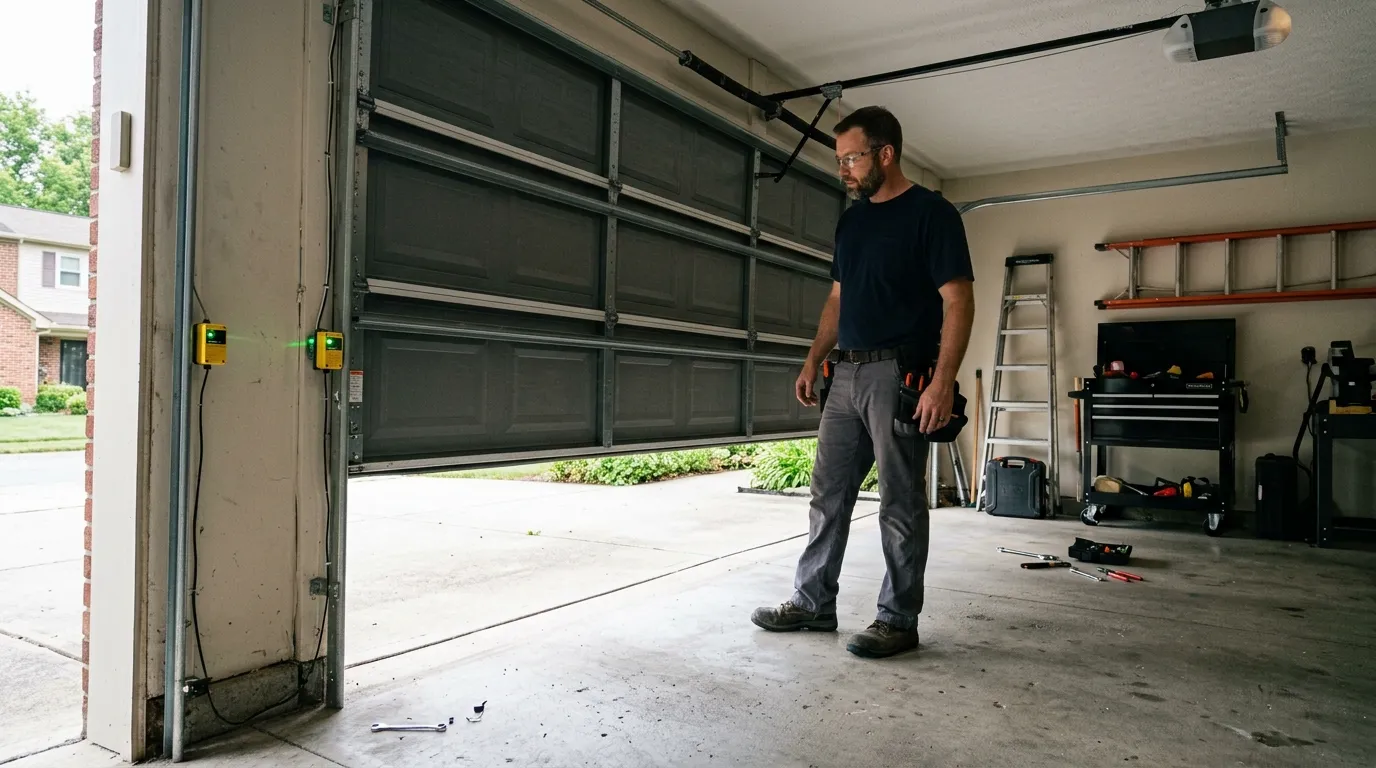
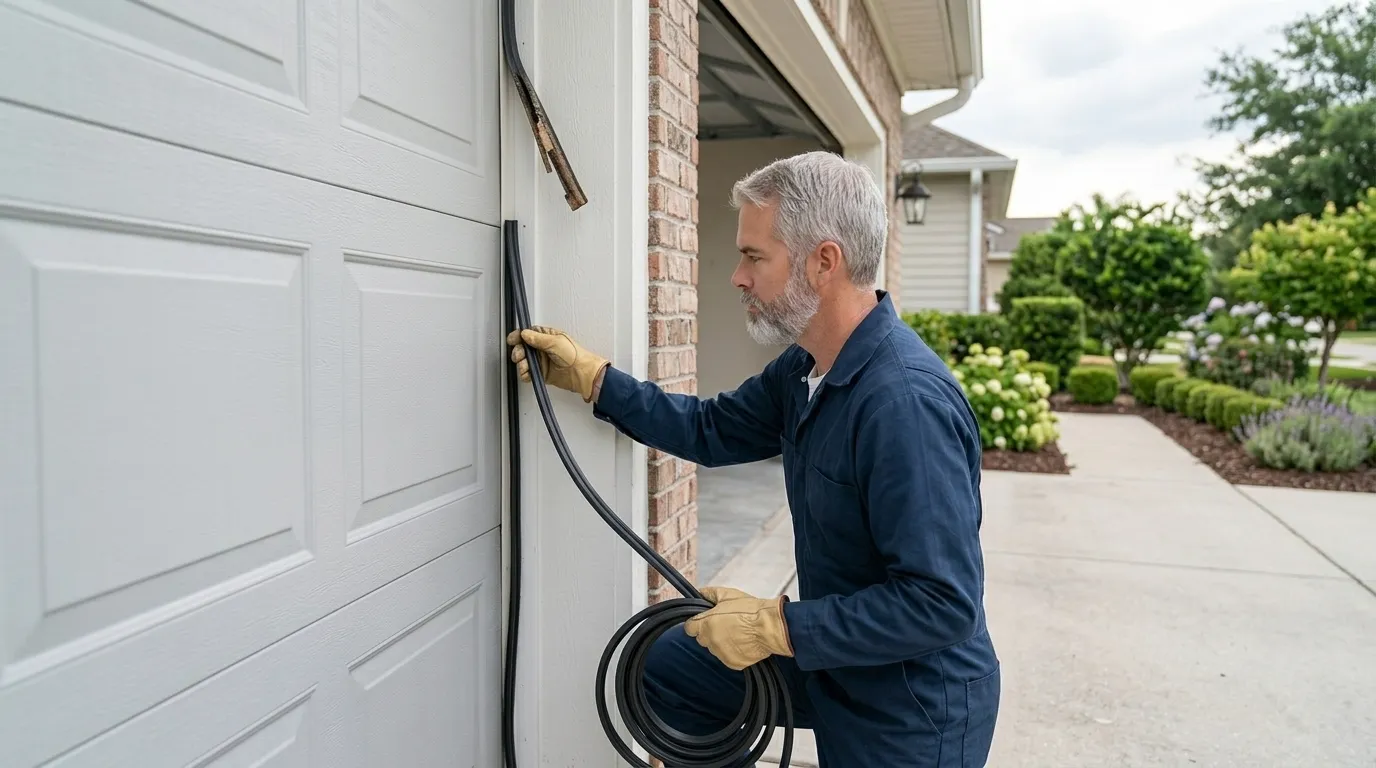
Recent Work in San Bruno
A look at jobs our crew has been on nearby.
Why San Bruno Calls Us
Frequently Asked Questions
Why does my door feel heavier than it used to?
If the original door was swapped for an insulated steel one at some point, it can weigh noticeably more than what the torsion spring was sized for back when the house was built around 1961. The door still opens, but the spring is working harder than it should, which shortens its life and can make the opener strain too.
Do you carry parts for 1960s-era doors?
Common items like torsion springs, cables, and rollers are usually stock, even on an older door, since the hardware sizes were standardized. What can take longer is a specific panel section or an obsolete track width unique to an original door - we'll tell you honestly if that's the case rather than guess at a timeline.
How far out is San Bruno from your base?
We run out of San Francisco, about 10 miles from San Bruno. That distance doesn't change what the job needs - it's the part and the door's condition that decide how the visit goes, not the drive.
Is it worth repairing an original door instead of replacing it?
Often yes, if the track and jamb are still square, which is common on houses from this era that haven't shifted much. Where repair stops making sense is when the hardware itself is obsolete and costs more to hunt down than a new section or door would cost outright - we'll say so if that's what we find.
Need Garage Door Repair in San Bruno?
Call now for straight answers on cost and timing.