
San Francisco, CA
Garage Door Service in South San Francisco
Garage Door Service for South San Francisco's 1960s Housing Stock
Most South San Francisco garages date to the early 1960s, with narrow single-car openings and original steel doors. We service them from San Francisco, 9 miles away.
- Licensed & Insured
- Same-Area Service Calls
- Upfront Pricing
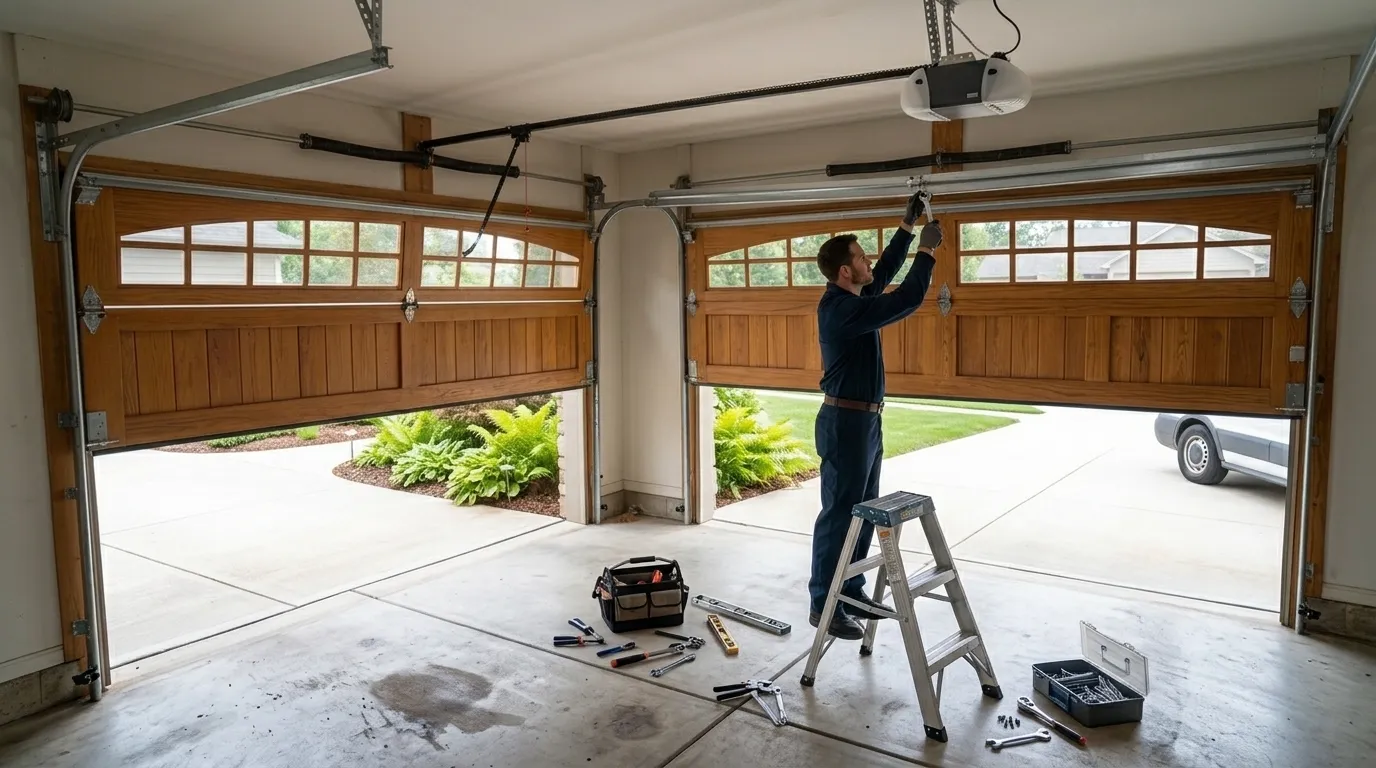
What Happens When You Call
-
1
Call or Request a Quote
Tell us what the door is doing and roughly how old the house is - that alone points us toward the likely part before a truck leaves.
-
2
On-Site Diagnosis
A tech checks the spring, cables, tracks, and opener in person and tells you plainly what is actually wrong.
-
3
Straight Price, No Surprises
You get a number before any work starts. It covers parts and labor, nothing added after the fact.
-
4
Fixed the Same Visit
Most repairs are done in one trip. If a part needs sourcing, we tell you that upfront instead of guessing.
Booking a Visit
We run out of San Francisco, about 9 miles from South San Francisco, so we don't keep a truck parked here overnight. That means we schedule the visit rather than promise a same-hour arrival - if your spring lets go at 7 a.m., tell us and we'll work you into the run for that side of the peninsula rather than quote you a fixed window we can't back up from that distance.
When you call, the two things that speed up the visit are the door's width and whether it's a single or double opening. A lot of houses here were built with a single-car garage and a door in the 7 to 8 foot range, which is a different spring and track setup than the double doors going into newer additions or rebuilt garages. Knowing which one you have before we drive out means we bring the right torsion spring instead of guessing.
We also ask what the door is made of. Original steel doors from the 1960s have thinner skin and different hinge spacing than anything sold today, and that changes what hardware fits without modification. If you're not sure, a photo from your driveway tells us more than a description over the phone.
What You Are Seeing
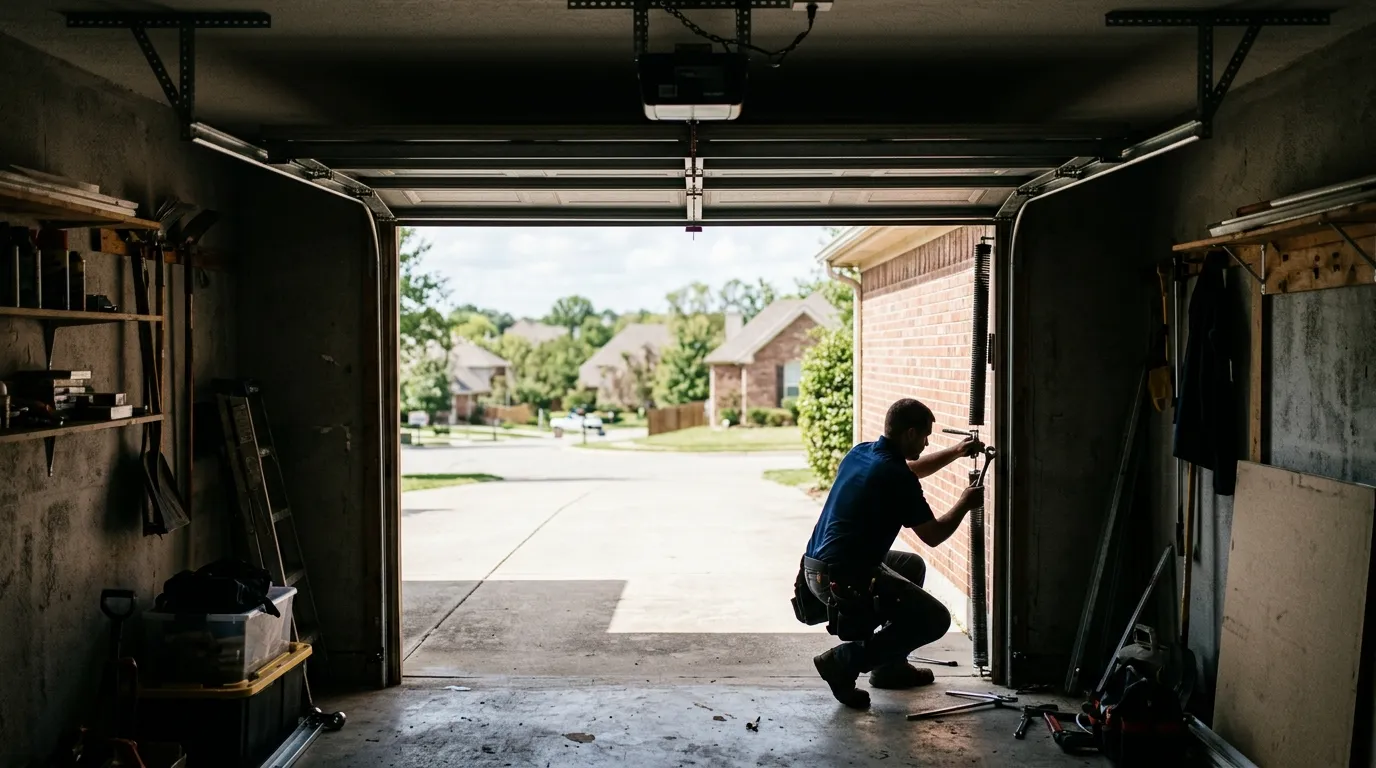
South San Francisco's housing stock sits squarely in the same build window as the rest of the service area - houses here went up mostly in the 1960s and 70s, with a median year of construction around 1963. That means the garage attached to your house, if it hasn't been replaced, is very likely an early steel sectional or a flat panel door on a single-car opening, hung on side-mounted torsion hardware rather than the center-mounted torsion bar that's standard on doors sold now.
The mild temperate climate here has been kind to these doors in one sense - you're not fighting the freeze-thaw cycles that crack panels and seize springs in colder regions. But 60 years is 60 years. Steel skins from that era are thinner gauge than current stock, and the paint has usually gone through enough sun cycles that the surface is chalky even where the metal underneath is sound.
What you're looking at, in most cases, is an original door that's outlasted its opener at least once and probably its springs a couple of times, on hardware that nobody manufactures new anymore. Repair is often still possible. It's just not always a matter of ordering a part off a shelf.
What Can Go Wrong
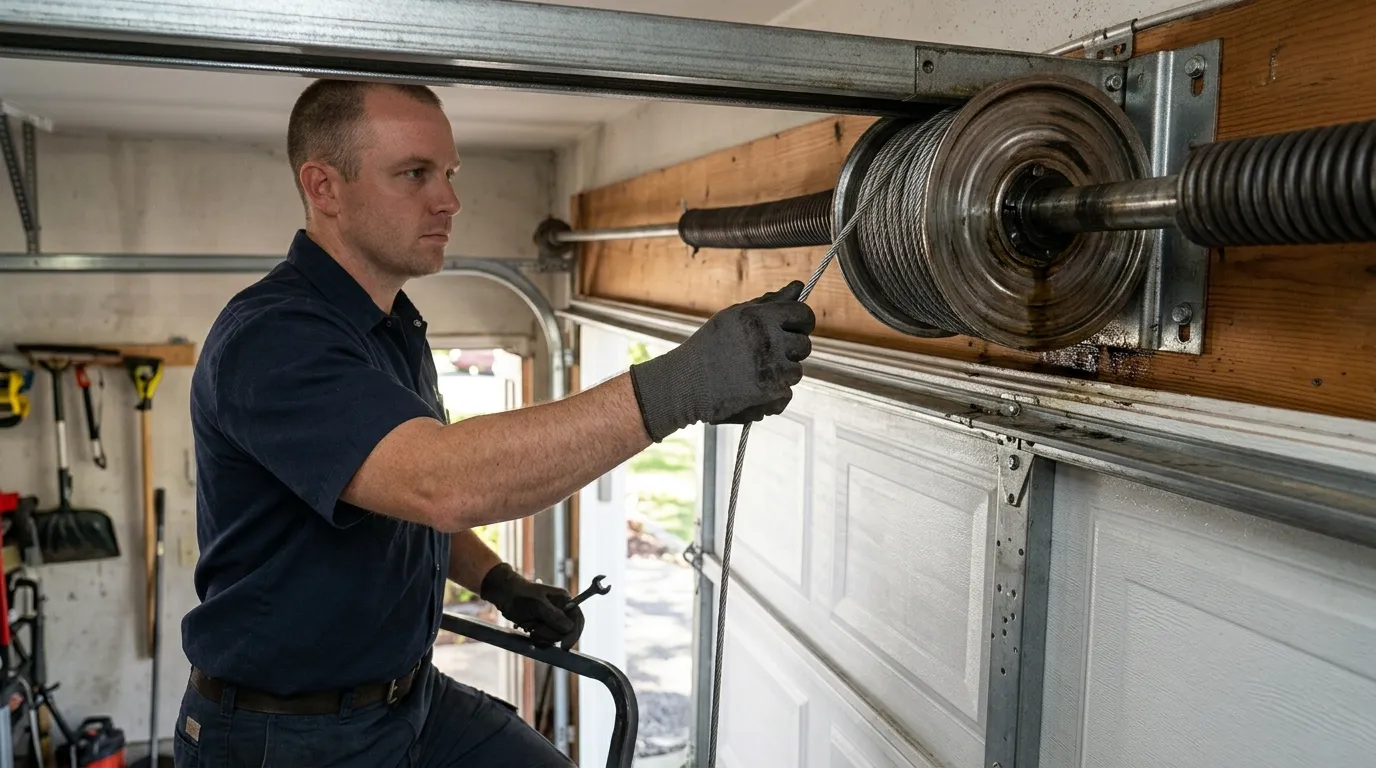
On a door this age, the torsion spring is usually the first thing to go, and on the narrower single-car openings common here, it's a smaller-diameter spring than what's used on modern double doors - using the wrong one either won't lift the door properly or will wear out fast. Side-mounted torsion hardware also means the drum and cable routing differs from the center-mount setups on newer installs, so a cable that frays doesn't behave the same way when it lets go.
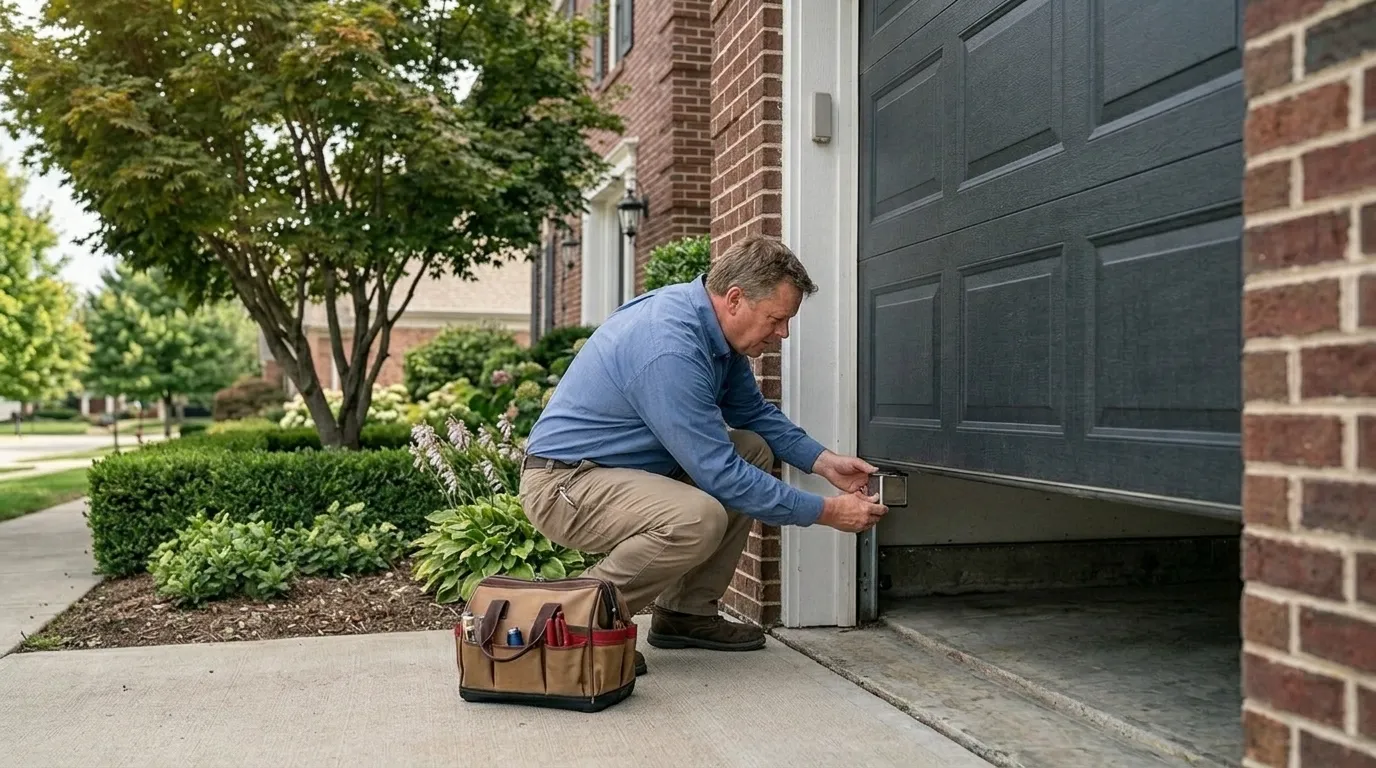
Hinges on original steel panels loosen at the screw holes over decades of use, and once the metal around the hole is chewed up, a new screw won't hold - the fix is a plate or a different hinge position, not just a longer fastener. Rollers on doors this old are often the original steel wheels, which are loud and rough by now even if they haven't failed outright; swapping to nylon quiets the door down without touching anything structural.
Openers are usually not original - most homes have had at least one replacement - but the bracket and header mounting from the 1960s build sometimes doesn't match a modern opener's mounting kit cleanly, and that mismatch is worth catching before installation, not after.
Doing It Yourself
Lubricating hinges, rollers, and the track with a light garage-door lubricant is fine to do yourself and worth doing twice a year - it's the one maintenance task that actually extends the life of hardware this old. Tightening loose hinge screws is also reasonable, as long as the metal around the hole isn't already stripped out.
What we'd stop you on: torsion springs. A spring under tension on a door this age can be original, or it can be a mismatched replacement from a prior repair, and either way the tension and winding cone setup on side-mounted hardware is not something to learn on with a broken door in front of you. It's the single most common way people get hurt working on garage doors, and we say that as the honest limitation on this page - some jobs on a door this old genuinely aren't a weekend project, no matter how capable you are with tools.
If your door won't budge and you're not sure whether it's the spring, the opener, or the track binding, disconnect the opener's manual release and try lifting the door by hand slowly. If it's heavy or uneven, stop there and call - that's a spring, not an opener problem, and forcing it can snap the cable.
Talk to a South San Francisco Technician First
Describe what the door is doing and get a straight answer on what it likely needs.
Other Garage Door Services in South San Francisco
Recent Work in South San Francisco
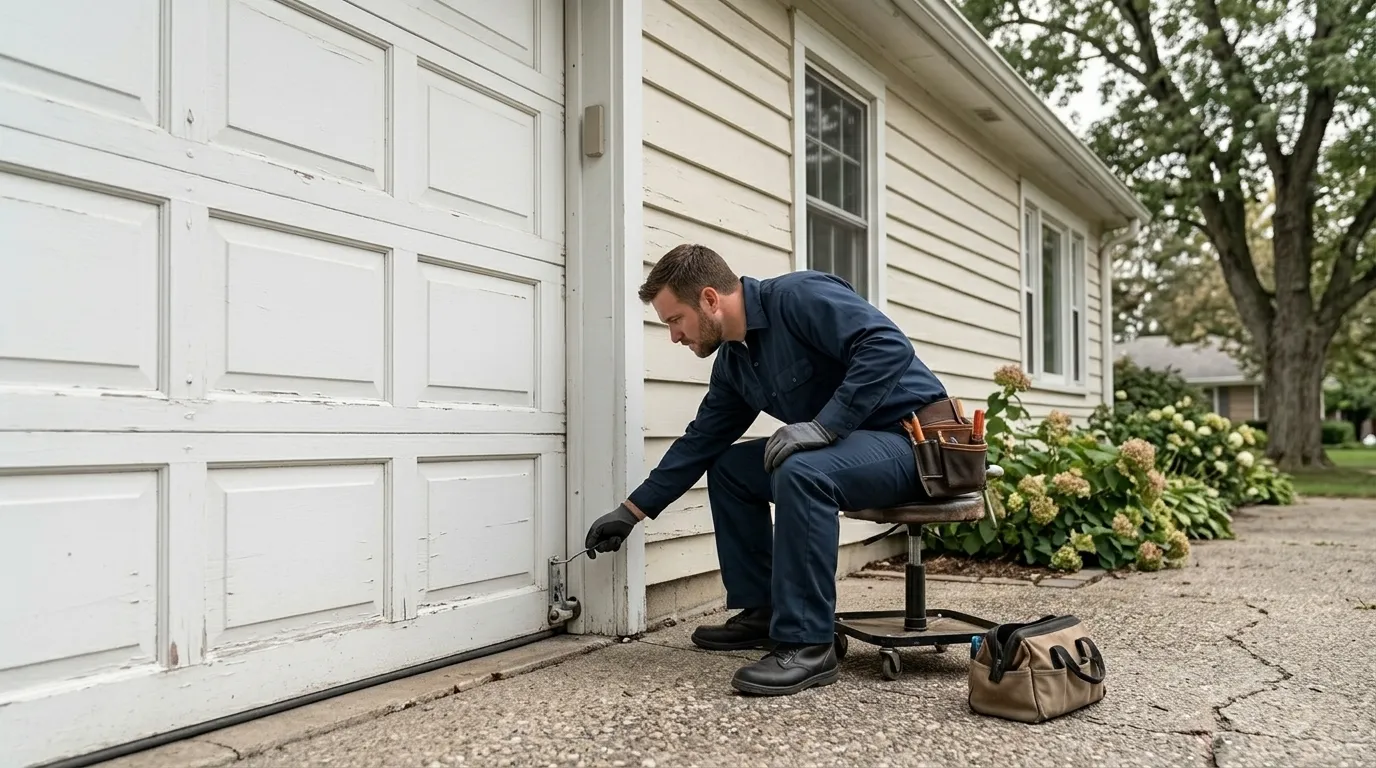
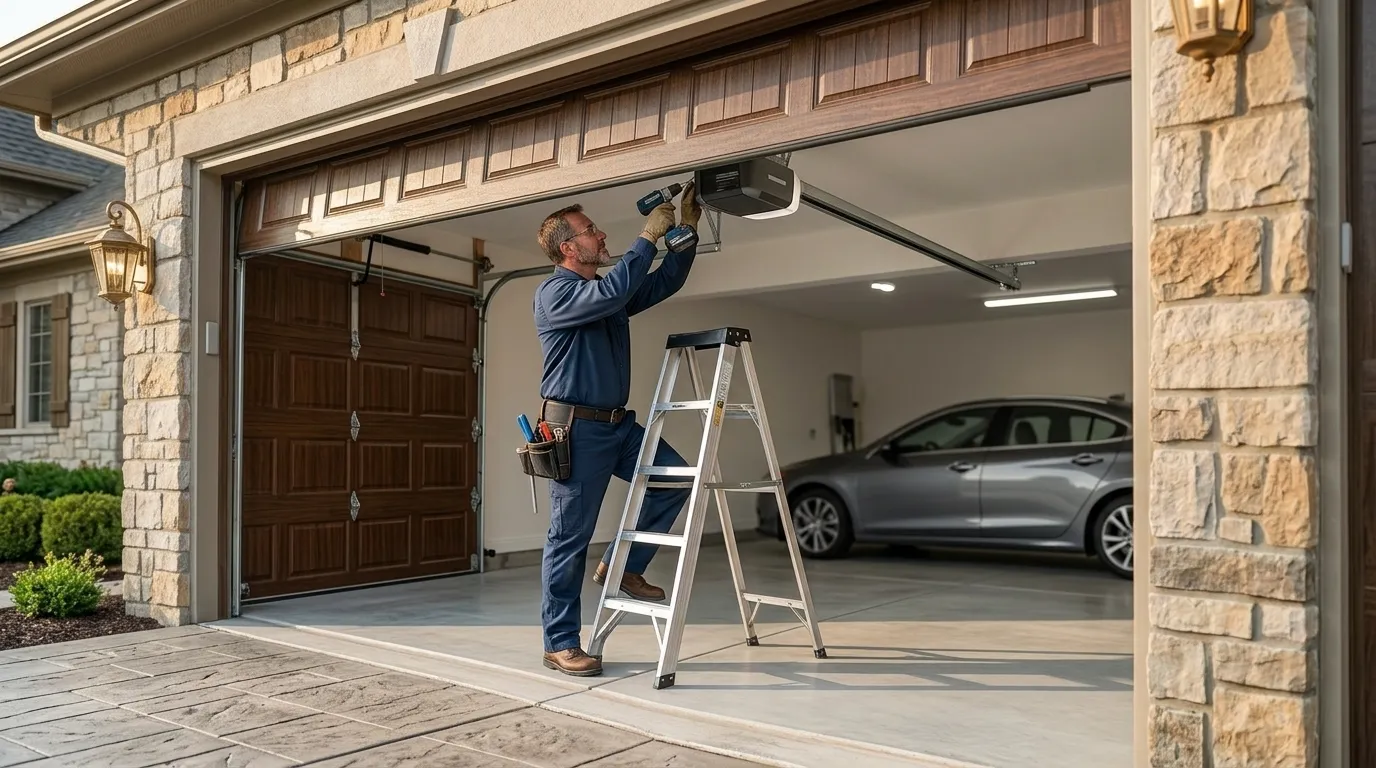
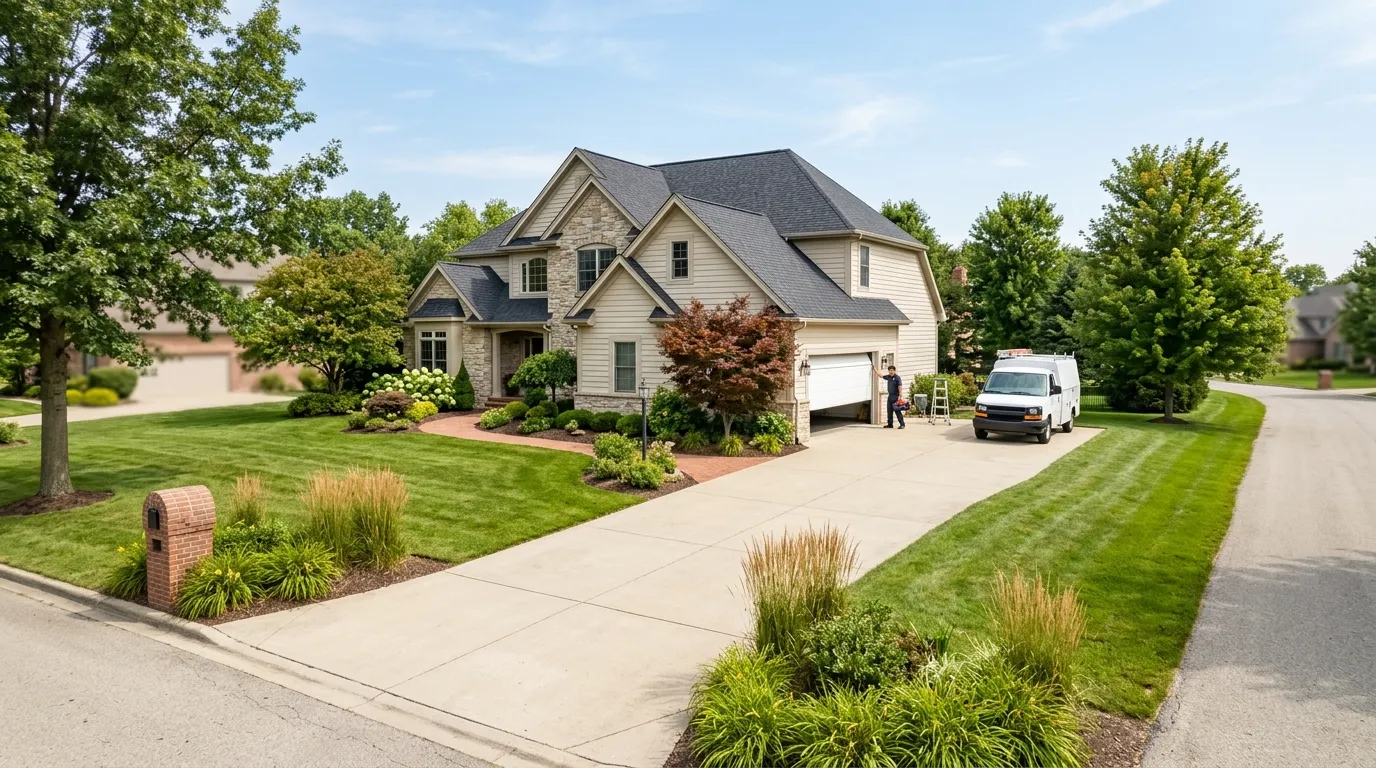
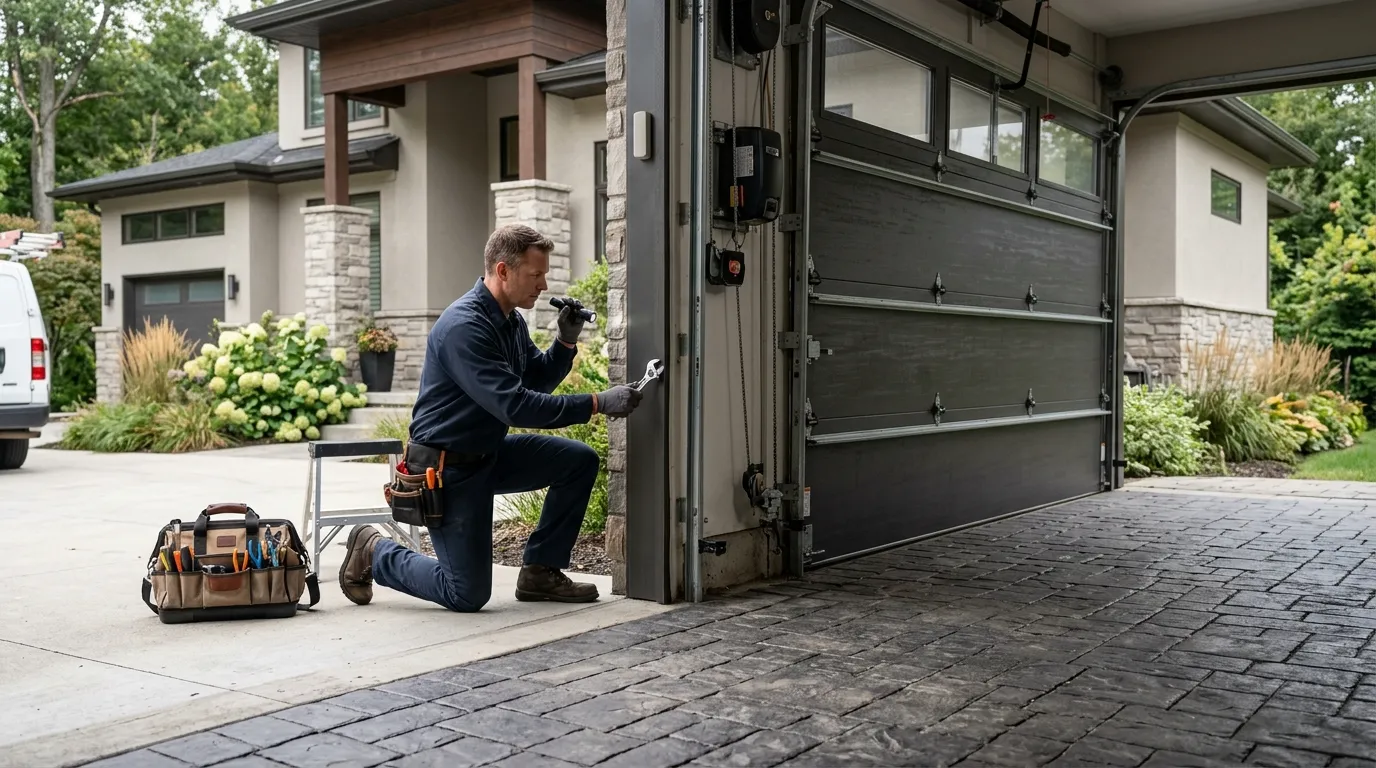
A look at jobs our crew has been on nearby.
Why South San Francisco Calls Us
Frequently Asked Questions
Do you have a location in South San Francisco?
No. We work out of San Francisco and cover South San Francisco from there, about 9 miles away. We don't keep a branch or a truck stationed here, so visits are scheduled rather than promised within a fixed same-hour window.
Is my garage door too old to repair?
Not necessarily. A lot of doors here date from the early 1960s build era and are still repairable - springs, rollers, and hinges can usually be replaced even on original steel panels. Replacement makes more sense when the panel skin itself is rusted through or badly dented, which we'll tell you honestly when we look at it.
Why does my door sound so much louder than my neighbor's newer one?
If your house is from the original 1960s construction common in this area, you likely still have steel rollers rather than nylon, and side-mounted torsion hardware instead of a center-mount setup. Both run louder than modern equivalents. Swapping to nylon rollers usually cuts the noise significantly without any other work.
Need Garage Door Service in South San Francisco?
Call now for straight answers on cost and timing.