
San Francisco, CA
New Door Installation in South San Francisco
New Garage Door Installation for South San Francisco Homes
South San Francisco homes mostly date to 1963, meaning original hardware built for a door style nobody stocks. We install from San Francisco, 9 miles out.
- Licensed & Insured
- Same-Area Service Calls
- Upfront Pricing
What Happens When You Call
-
1
Call or Request a Quote
Tell us what the door is doing and roughly how old the house is - that alone points us toward the likely part before a truck leaves.
-
2
On-Site Diagnosis
A tech checks the spring, cables, tracks, and opener in person and tells you plainly what is actually wrong.
-
3
Straight Price, No Surprises
You get a number before any work starts. It covers parts and labor, nothing added after the fact.
-
4
Fixed the Same Visit
Most repairs are done in one trip. If a part needs sourcing, we tell you that upfront instead of guessing.
Booking a Visit
We run this job out of San Francisco, about 9 miles from South San Francisco, so we're not sending a crew that's guessing at drive time or showing up without the right truck stock for what these houses actually have. When you call, tell us the door width and whether the opening still has the original wood jamb trim - a lot of houses here do, since the bulk of the neighborhood went up in the early 1960s. That one detail changes whether we're doing a straight swap or building out the frame first.
We don't keep a branch in South San Francisco itself; every visit is scheduled from the San Francisco shop, so give us a little lead time rather than expecting a same-day walk-in. For repair work short of a full replacement, that's a separate visit type - see our South San Francisco repair page if the door still runs but something's grinding or slipping.
What You Are Seeing
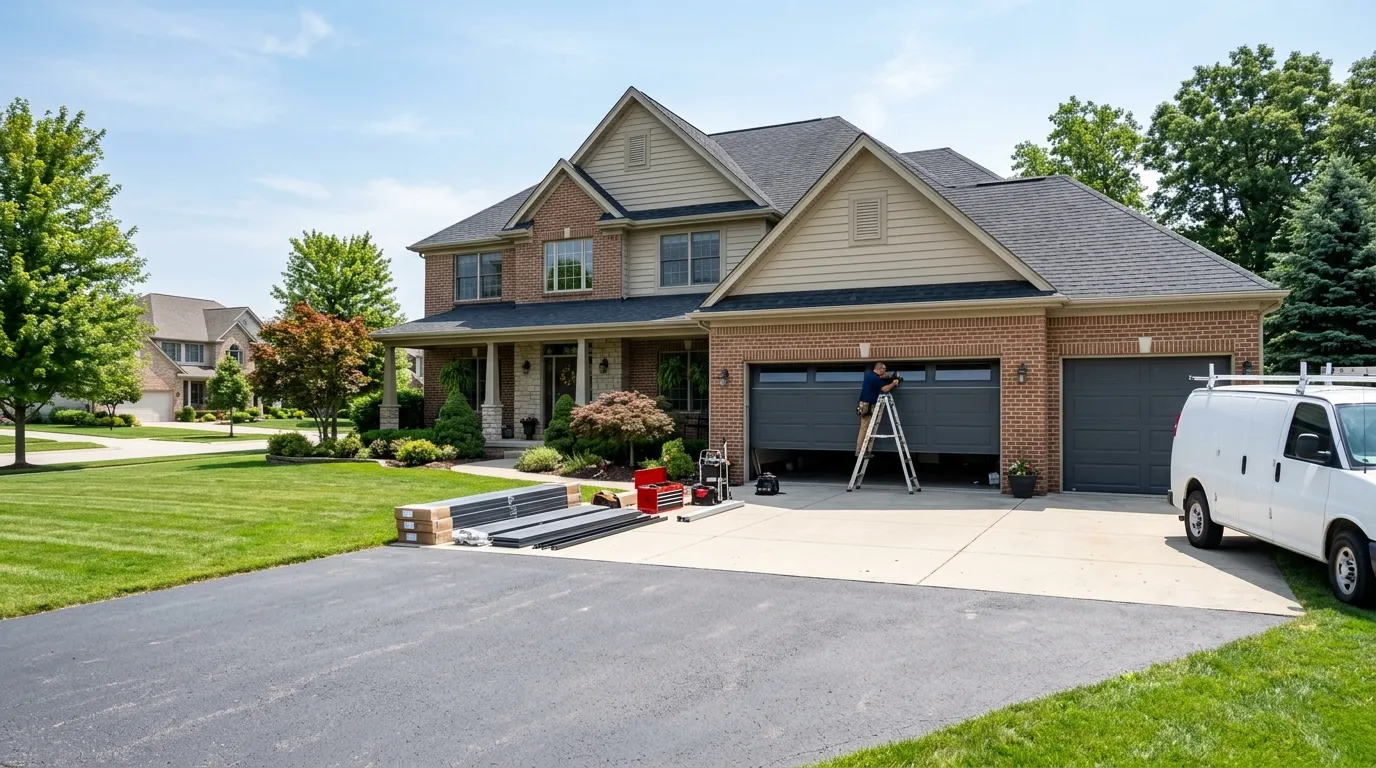
The median house in South San Francisco was built around 1963, which puts most of the neighborhood's garages on hardware that predates anything you'd find at a supply house today. That era means one of two things behind the panel: a heavy single one-piece door on a track system with no cable drum, or an early sectional retrofit that someone bolted onto the original frame sometime in the decades since. Either way, the header and jamb were sized for the lighter doors of that period, not for a modern insulated steel or composite door, which weighs more per square foot.
That's the part that trips people up - they price a new door, then find out the opening needs reframing before anything new can hang square. The area's overall climate band is mild temperate, so we're not fighting the humidity swings or freeze-thaw cycles that wreck seals and springs elsewhere, but wood trim from the early 1960s still dries and shrinks over sixty-plus years, and that shows up as a door that doesn't sit flush no matter how well the new hardware is set.
What Can Go Wrong
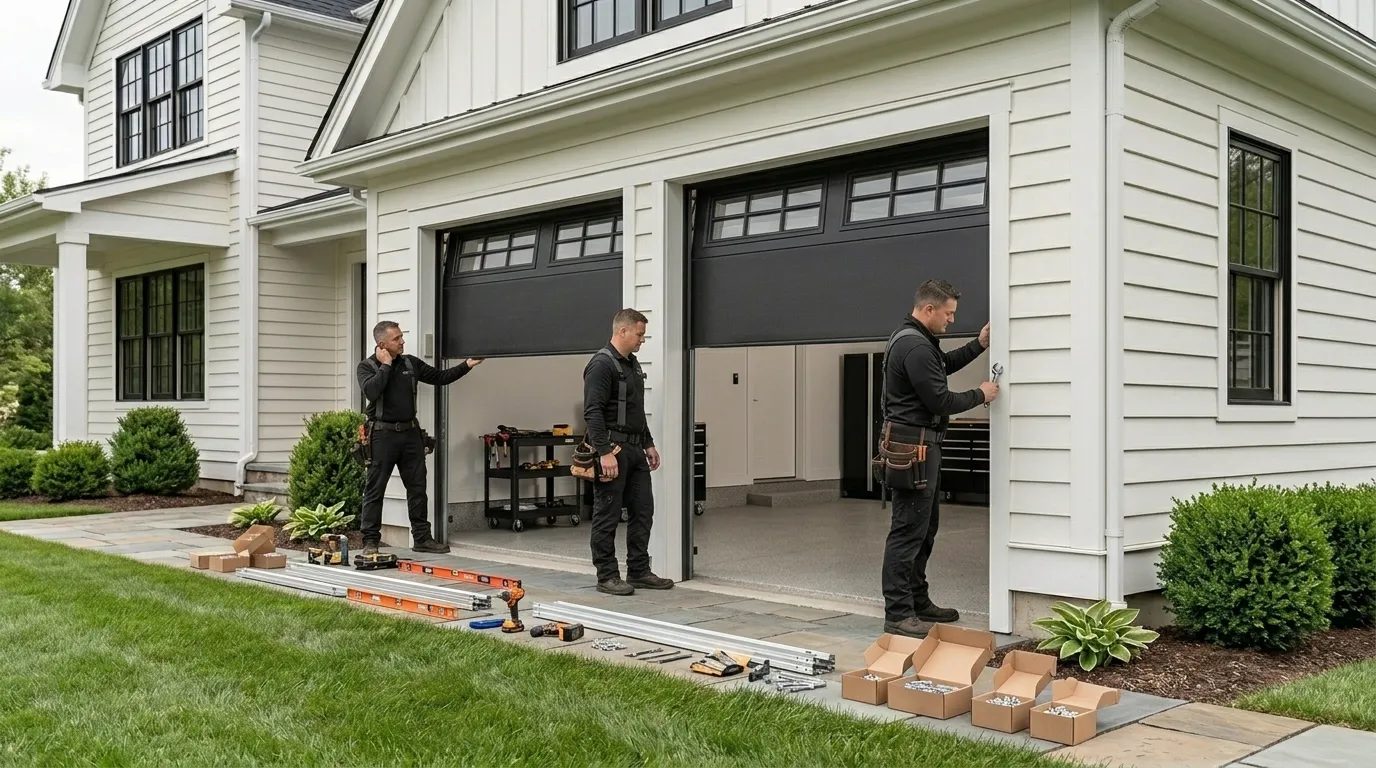
On a house from this build era, the failure we see most is the jamb bowing slightly inward at the point where the old track brackets were lag-bolted in decades ago - repeated stress on softwood framing does that over time. If we hang a new door on that jamb without correcting it, the door binds on one side within a year, even with brand-new rollers and a new opener. The second issue is headroom: original single-panel doors from the early '60s often used a track profile that cleared less ceiling height than modern sectional doors need, so a straight swap sometimes isn't possible without a low-headroom track kit.
Springs are the third thing - if the house still has its original torsion setup, the cable drums are almost certainly undersized for a heavier insulated door, and reusing them is how you get a snapped cable within months of install. None of this is unusual for the area; it's just the math of hanging 2020s hardware on a 1960s opening, and it's worth catching before the truck leaves with the wrong parts.
Doing It Yourself
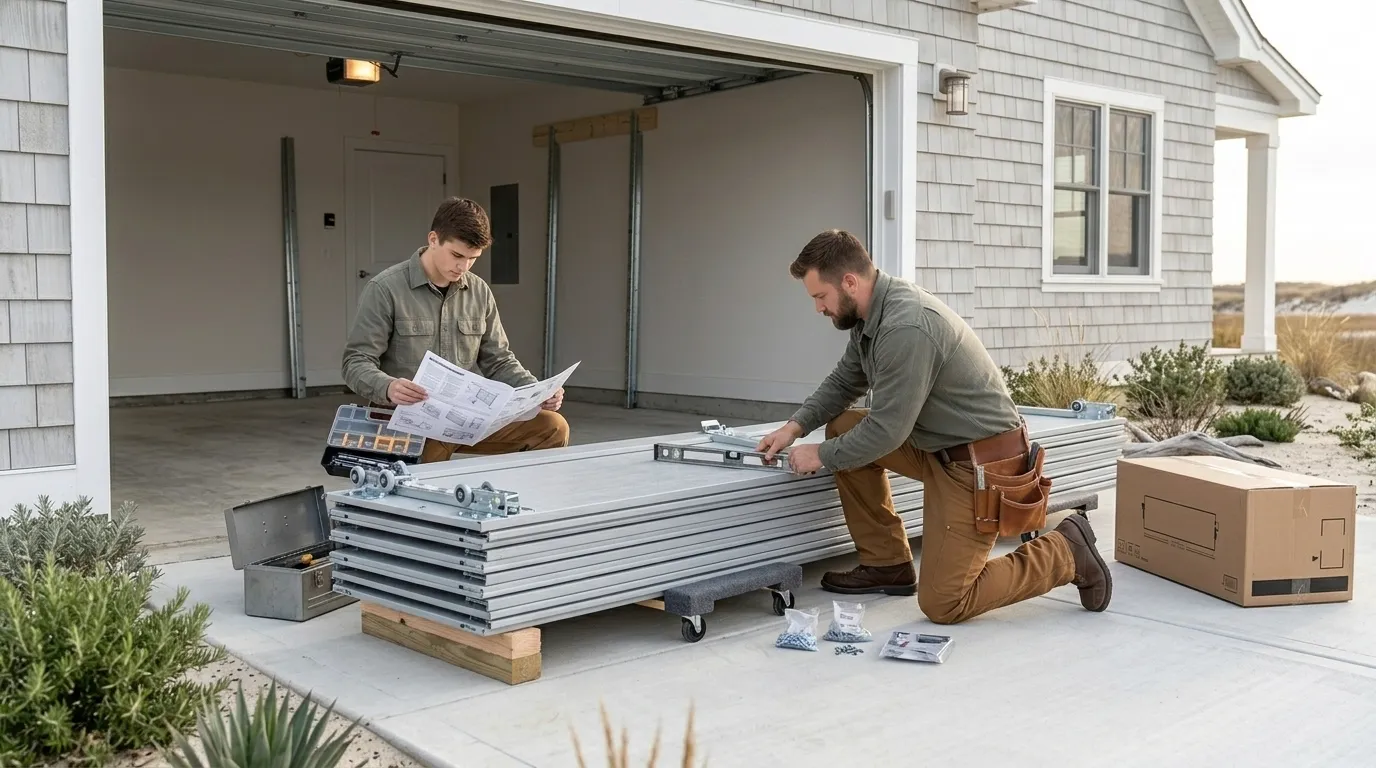
Ordering a door online and swapping it yourself is doable if the opening is square, the jamb is sound, and you're not changing the track profile - but on a house from this build era, you often don't know which of those is true until the old door is off the wall. We won't talk anyone out of doing simple maintenance themselves: lubricating rollers, tightening loose hinges, replacing weatherstripping.
Where we draw the line is springs and cable - a torsion spring under load can put someone in the hospital, and on original 1960s hardware you're often dealing with a spring size that isn't printed anywhere obvious. If you get partway into a install and hit a jamb that's out of plumb or a header that won't take a new bracket pattern, that's the point to stop and call, not the point to shim it and hope.
Talk to a South San Francisco Technician First
Describe what the door is doing and get a straight answer on what it likely needs.
Other Garage Door Services in South San Francisco
Recent Work in South San Francisco
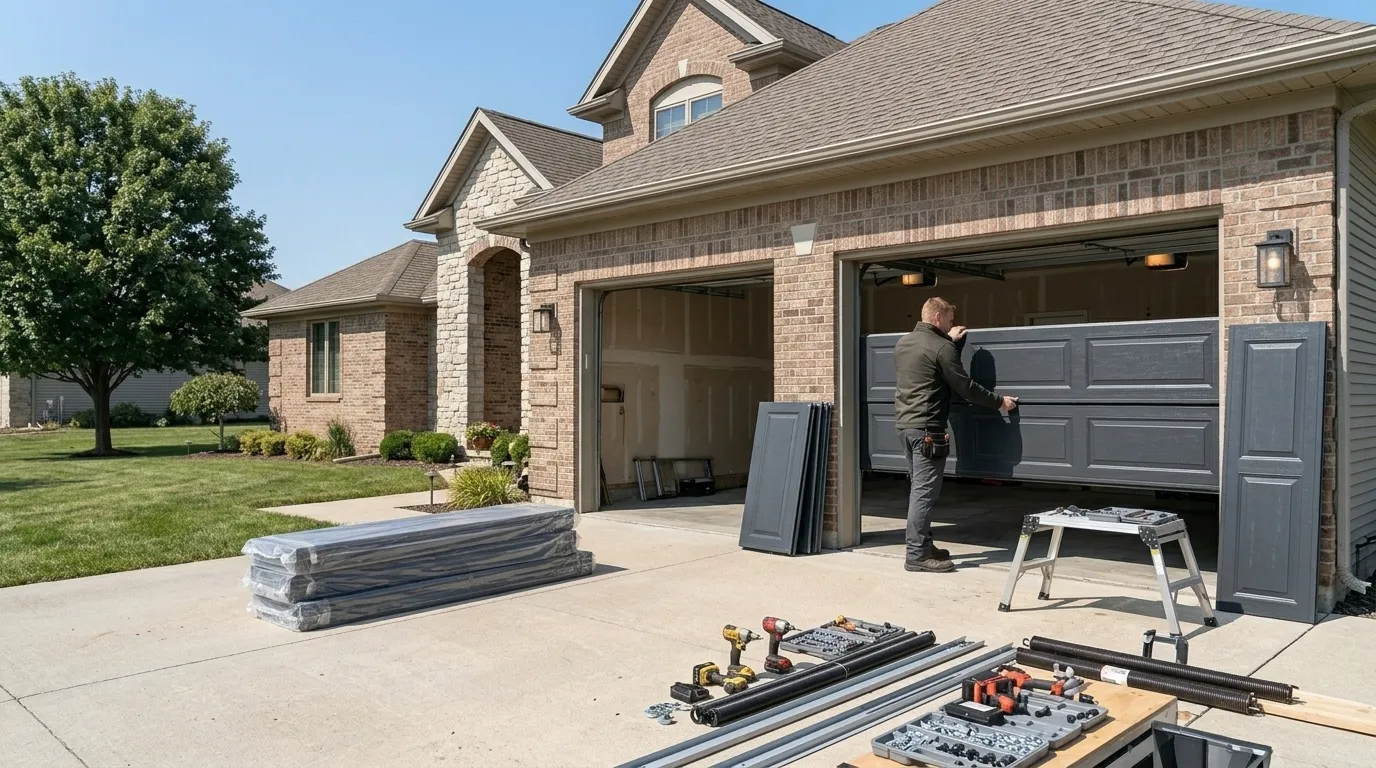
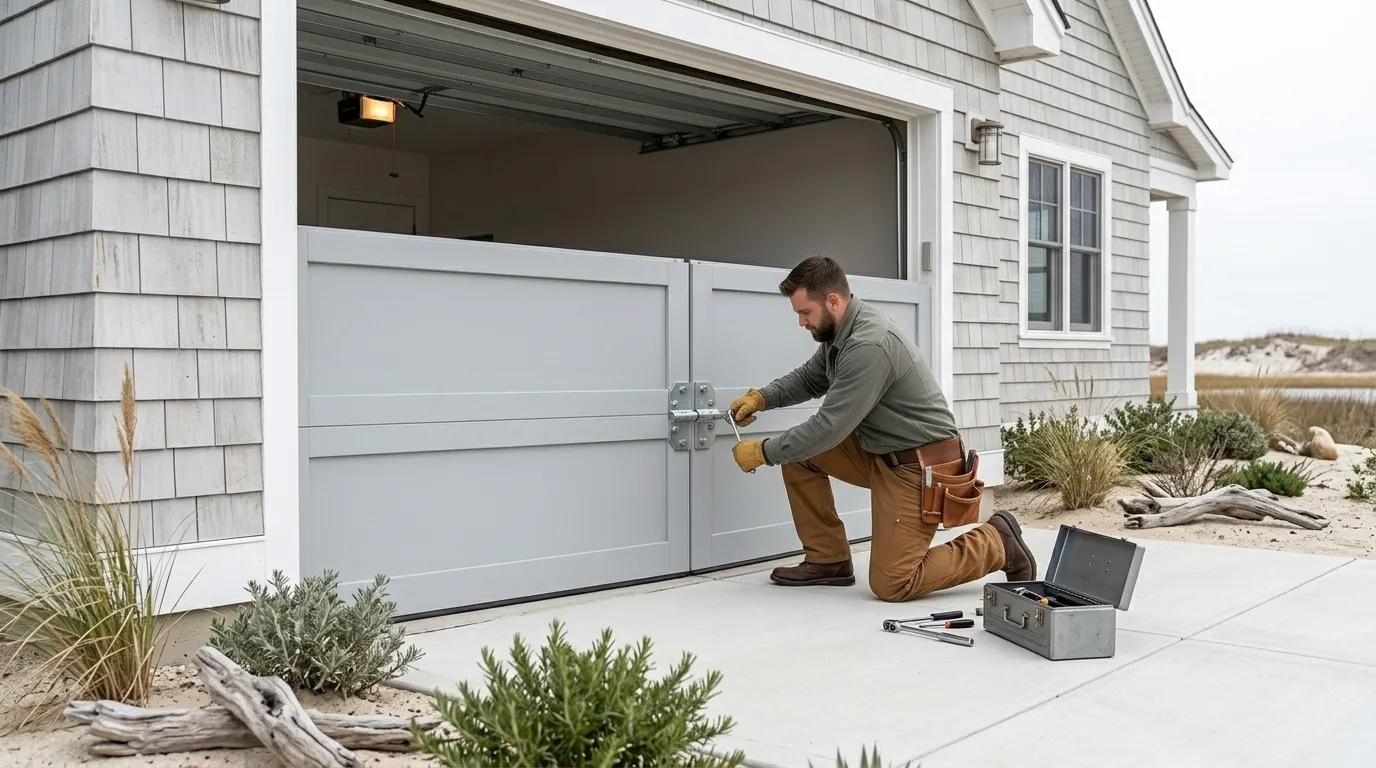
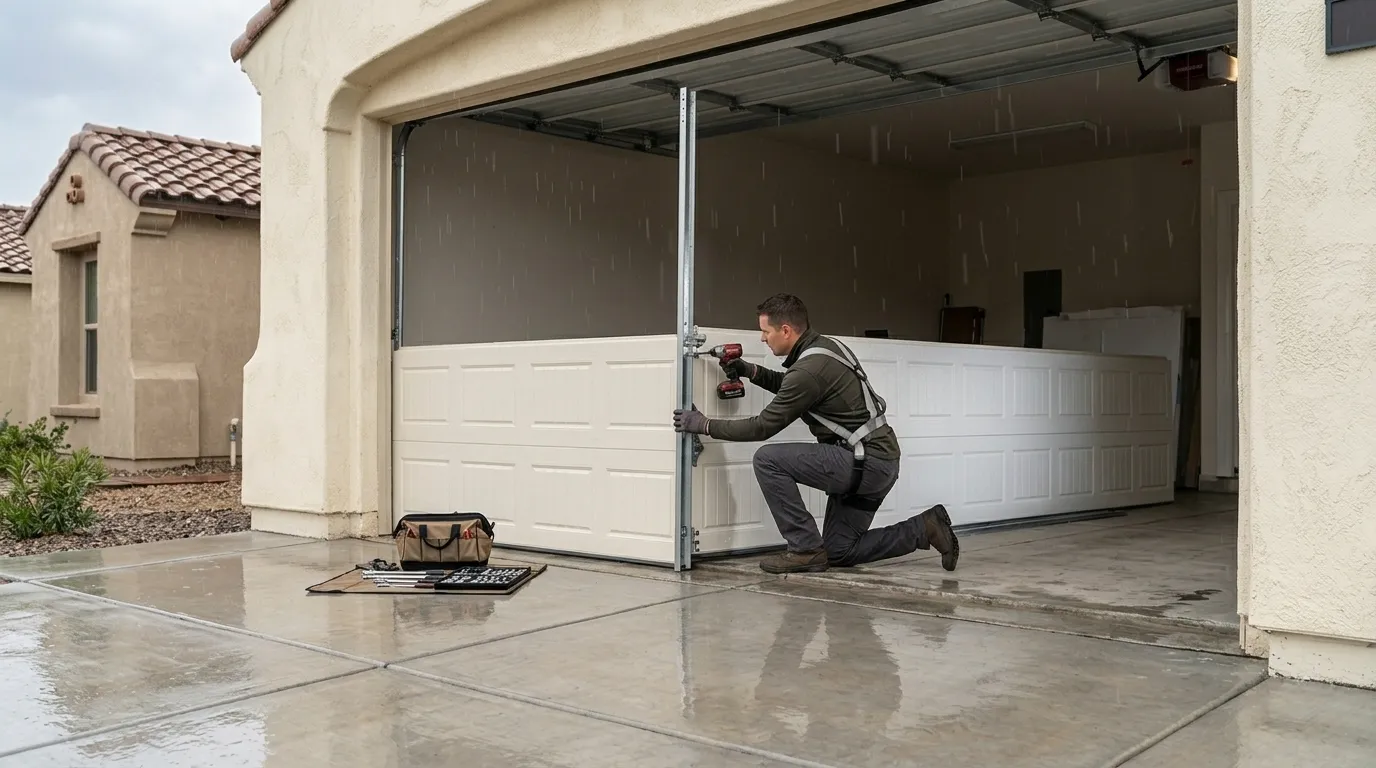
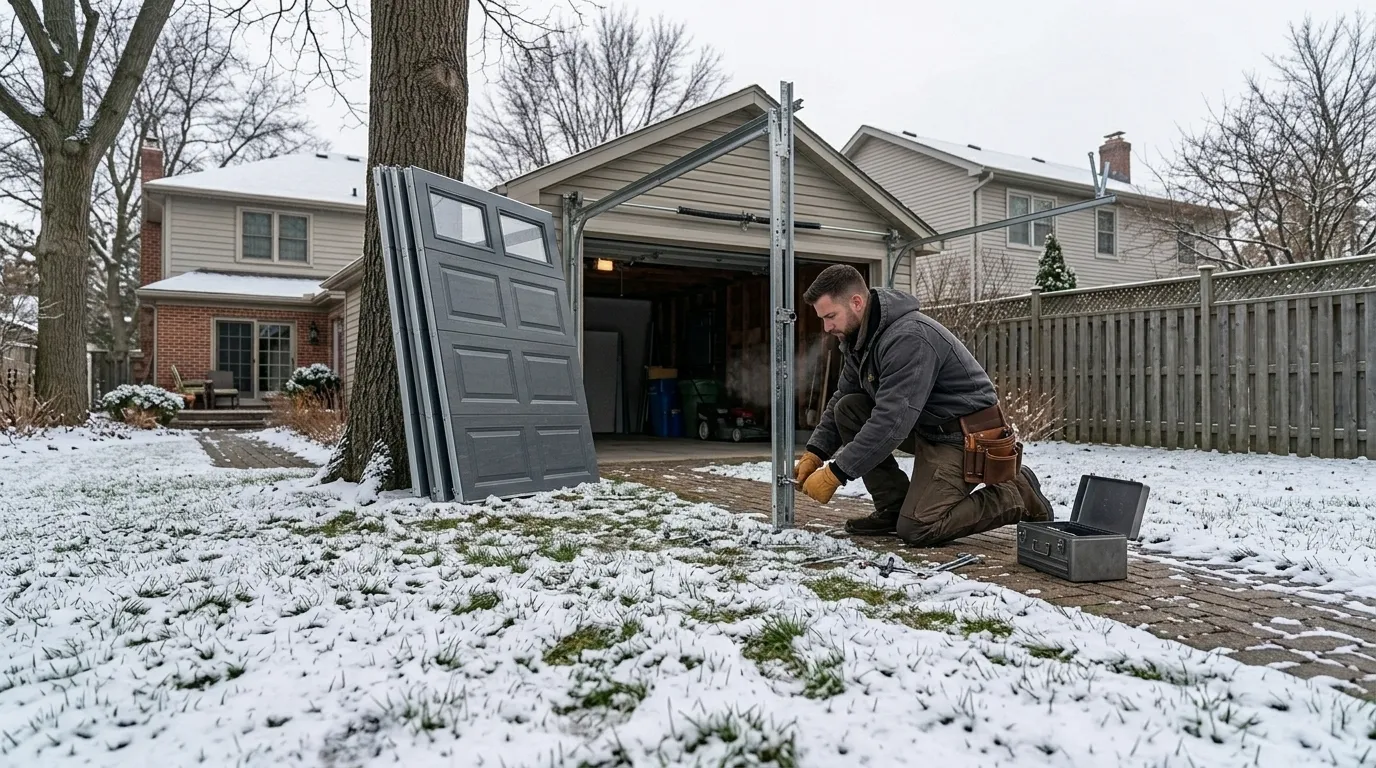
A look at jobs our crew has been on nearby.
Why South San Francisco Calls Us
Frequently Asked Questions
Do you have a branch in South San Francisco?
No. We work South San Francisco from our San Francisco location, about 9 miles away. There's no local depot here, so installs and repairs are scheduled visits rather than walk-in service - plan a little ahead rather than expecting same-day.
Will a new door fit my original 1960s opening?
Usually, but not always without adjustment. Most South San Francisco houses were built around 1963, and the framing and track clearance from that era often don't match modern sectional door specs exactly. We check jamb condition and headroom before quoting a straight swap versus a reframe.
Is it worth repairing an original door instead of replacing it?
Depends on what's failing. If it's a roller or cable on a door that's otherwise sound, repair usually wins. If the panel itself is original single-piece steel or wood from the 1960s build era, replacement parts are hard to source and a new door often costs less than chasing obsolete hardware.
Does South San Francisco's weather affect the door or opener?
Not much. The area sits in a mild temperate climate band, so we're not dealing with the freeze-thaw stress or heavy humidity swings that cause seal and spring problems in harsher climates. Age of the hardware, not weather, is the bigger factor here.
Need New Door Installation in South San Francisco?
Call now for straight answers on cost and timing.