
San Francisco, CA
Commercial Garage Door in Pacifica
Commercial Garage Door Service, Pacifica
Commercial garage door service for Pacifica businesses, dispatched from San Francisco 12 miles off. Built for the doors that came up with this area's 1960s wave.
- Licensed & Insured
- Same-Area Service Calls
- Upfront Pricing
What Happens When You Call
-
1
Call or Request a Quote
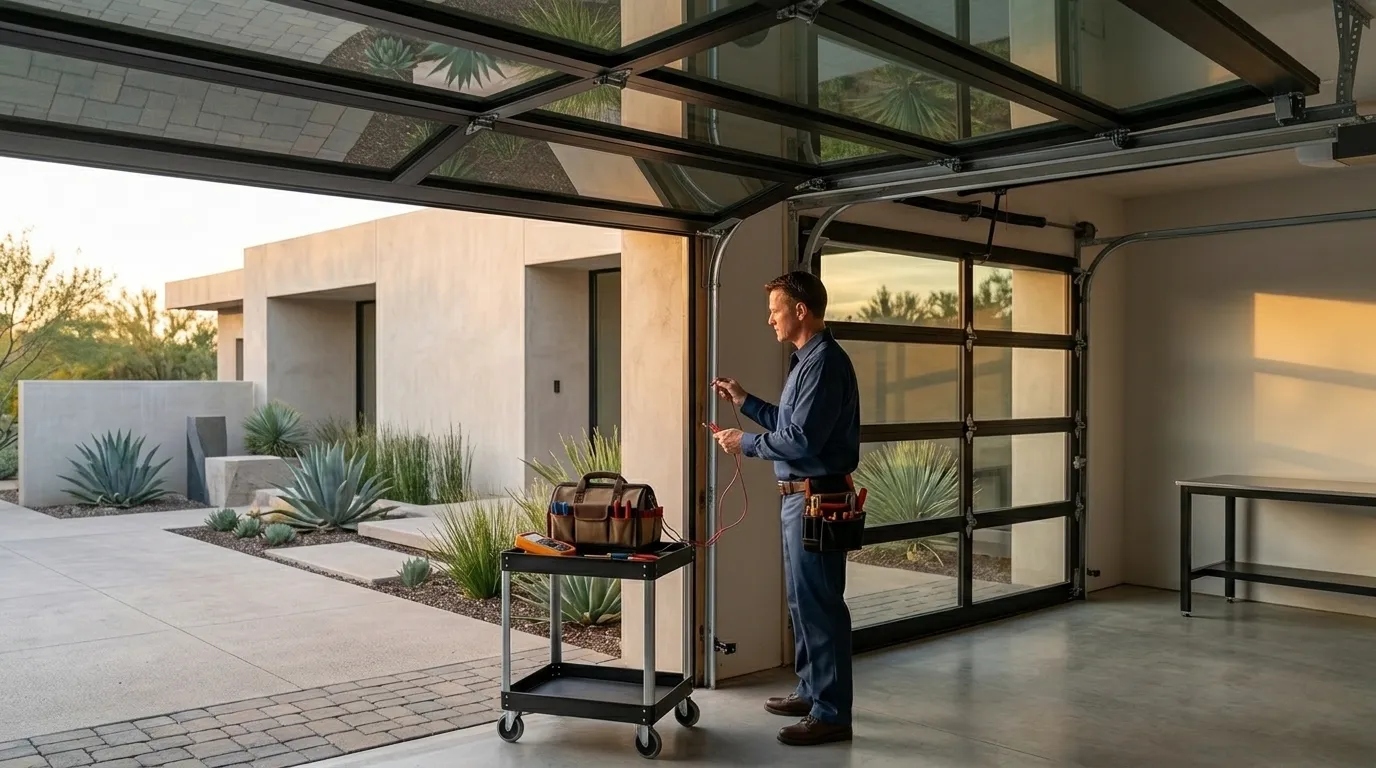
Tell us what the door is doing and roughly how old the house is - that alone points us toward the likely part before a truck leaves.
-
2
On-Site Diagnosis
A tech checks the spring, cables, tracks, and opener in person and tells you plainly what is actually wrong.
-
3
Straight Price, No Surprises
You get a number before any work starts. It covers parts and labor, nothing added after the fact.
-
4
Fixed the Same Visit
Most repairs are done in one trip. If a part needs sourcing, we tell you that upfront instead of guessing.
Stocked Parts
The drive out to Pacifica runs about 12 miles from San Francisco, and that shapes how a commercial call here gets handled. There's no branch in town, so the truck that comes out is stocked before it leaves, not restocked mid-route. That means loading for what the building stock actually needs, not a generic kit.
Across the broader service area this company covers, most housing and the commercial buildings mixed in with it went up between 1938 and 1988, with a lot of that concentrated in the 1960s and 70s. Pacifica's own numbers land a touch later, with a median build year around 1966. That's late enough to mean fewer of the oldest wood jamb doors and more galvanized steel sectional doors on torsion springs, plus openers that have already been swapped out once or twice by whoever owned the property before.
Common torsion springs, standard steel rollers, and standard-width cable get carried as a matter of course. What doesn't always ride along is anything specific to a commercial door wider than a standard two-car residential opening, or gearing for an older chain-drive commercial operator that's stopped being made. If a job needs one of those, it gets ordered, and that's a day or two, not a same-visit fix.
Why It Happens Here
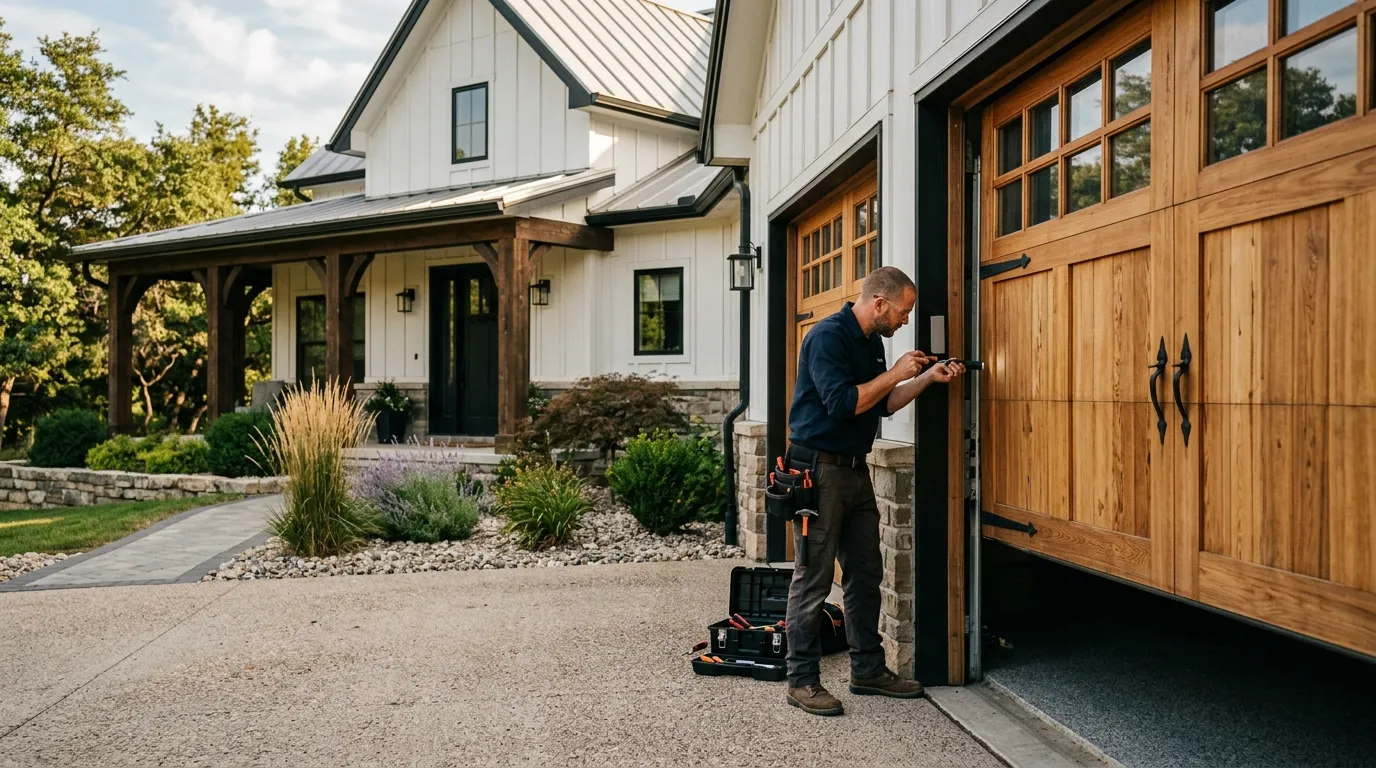
Pacifica sits in the mild temperate band that covers this whole part of the coast, which cuts both ways for a commercial door. No hard freezes, no summer heat that cooks a nylon roller in a season, so you don't get the sudden weather-event failures some other climates produce. What you get instead is slow wear that never gets interrupted by a season that would otherwise force a maintenance check.
A commercial door on a loading dock or a service bay cycles a lot more than a home garage door does, sometimes dozens of times a day. Combine that cycle count with hardware that's been sitting through mild, steady conditions since a building went up in the mid-1960s wave, and springs and rollers wear out on schedule rather than in a dramatic break. Owners tend to notice it as the door getting slower and louder over months, not as a sudden failure, until the day it is sudden.
The honest limitation here: mild weather doesn't mean no weather. Ongoing damp and salt-tinged coastal air still work on unprotected steel over years, and a door that looks fine from the outside can have rust starting on a track bolt or a spring coil that isn't visible without a hands-on check.
What You Are Seeing
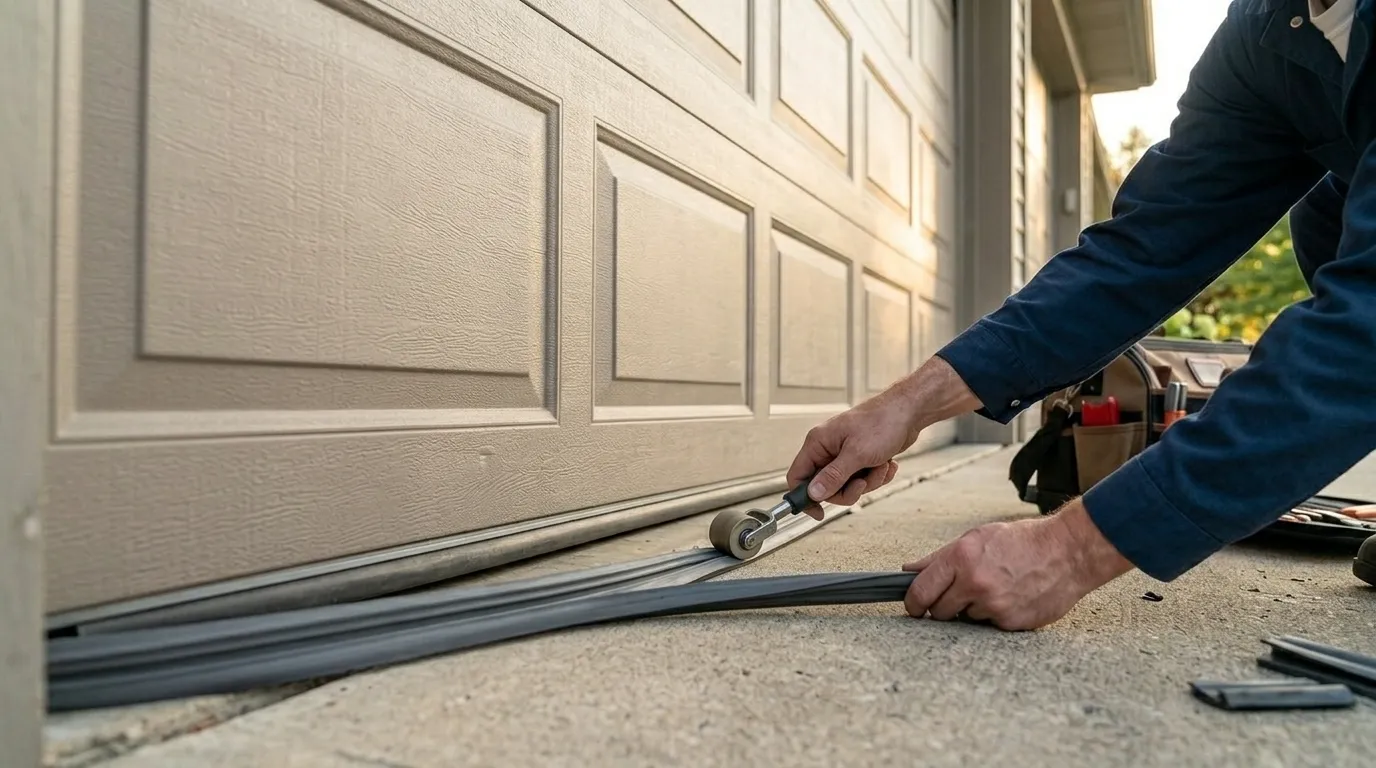
On a commercial door dating from that same building era, the early signs are usually mechanical, not electrical. A section that's started to sag at one corner, a roller that grinds instead of turning smooth, a door that reverses partway up because the opener's travel limits have drifted. On heavier commercial doors, a torsion spring nearing the end of its cycle life often shows up as a door that closes fine but takes visibly more effort to lift by hand.
Buildings in the area that still run their original 1960s-era track hardware sometimes have horizontal track that was sized for a lighter door than what's hanging on it now, if the door itself was replaced at some point without swapping the track to match. That mismatch shows up as a door that binds partway through its travel, usually right where the curve into horizontal track starts.
On newer commercial installs from a later renovation, the more common issue is a photo-eye sensor knocked out of alignment by dock traffic, or an opener logic board that's aged out after years of heavy daily cycling. Either way, what the door is doing usually points fairly directly at what's worn, once someone's looked at the track, spring, and opener in that order.
What the Repair Takes
Most commercial spring and roller jobs get done in one visit once the truck is on site, since that's the hardware most likely to be on board regardless of the building's age. Where it takes longer is anything sized for a wider commercial opening or an older operator model that's no longer stocked by suppliers, since those parts have to be tracked down and ordered rather than pulled off the truck.
Given the median build year around 1966 for property in Pacifica, a fair number of commercial doors here are old enough that a full section or full door replacement is a more honest answer than another patch repair, especially once the track itself shows wear from decades of a mismatched or aging door. That's not the answer every owner wants, but a repair that's fighting worn track geometry usually fails again within a year regardless of how good the parts going in are.
For anything more involved, or if the building's door setup turns out to need a look before a straight repair or replace call, the Pacifica garage door repair page covers what that first visit looks like, and the San Francisco commercial garage door page covers the full range of commercial work this company does across the area.
Talk to a Pacifica Technician First
Describe what the door is doing and get a straight answer on what it likely needs.
Other Garage Door Services in Pacifica
Recent Work in Pacifica
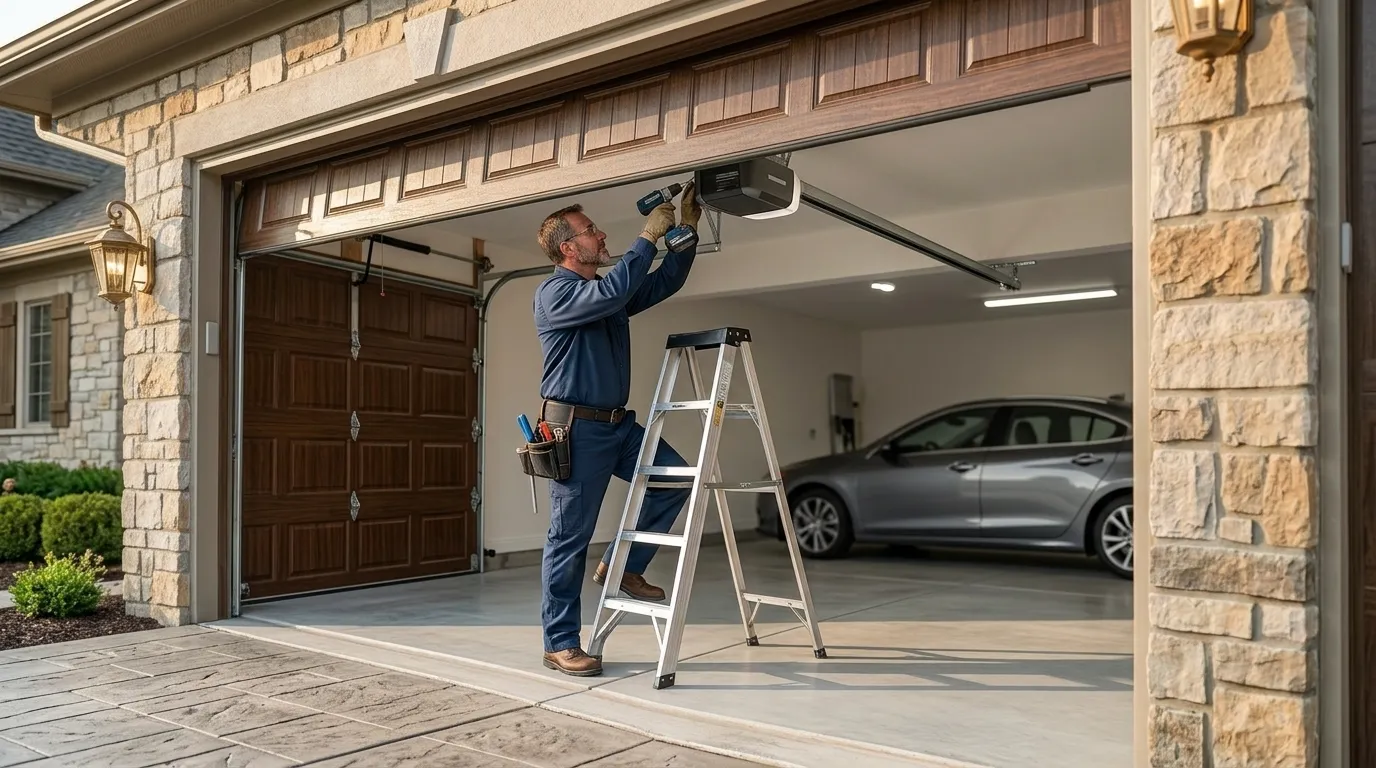
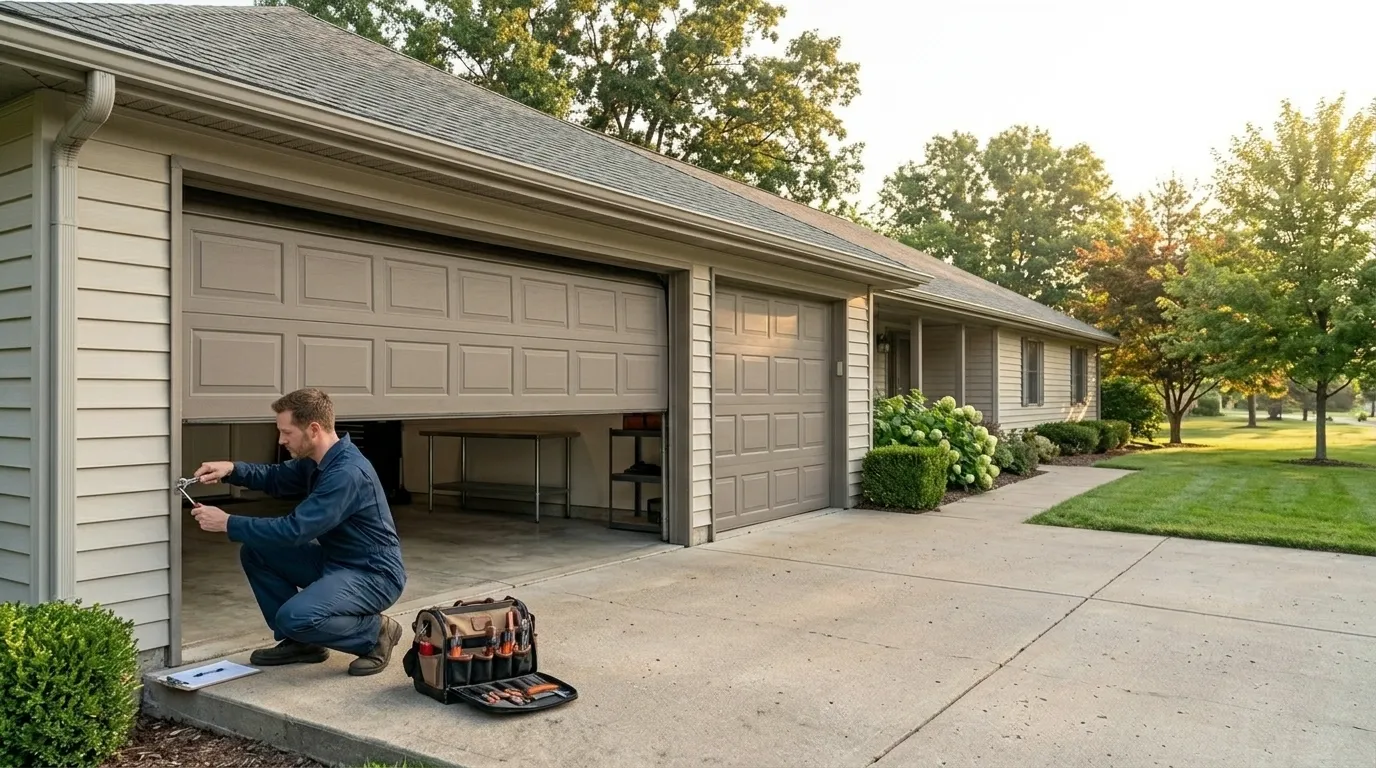
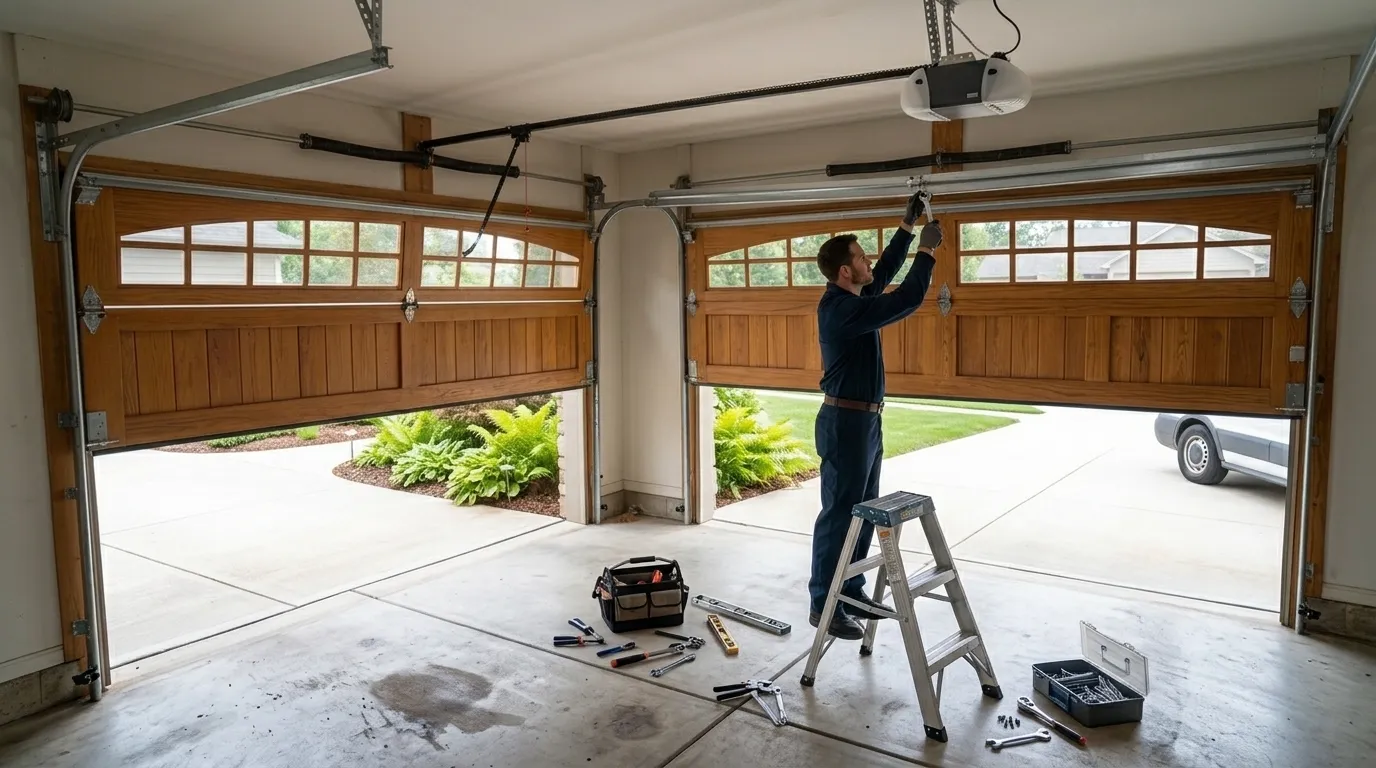
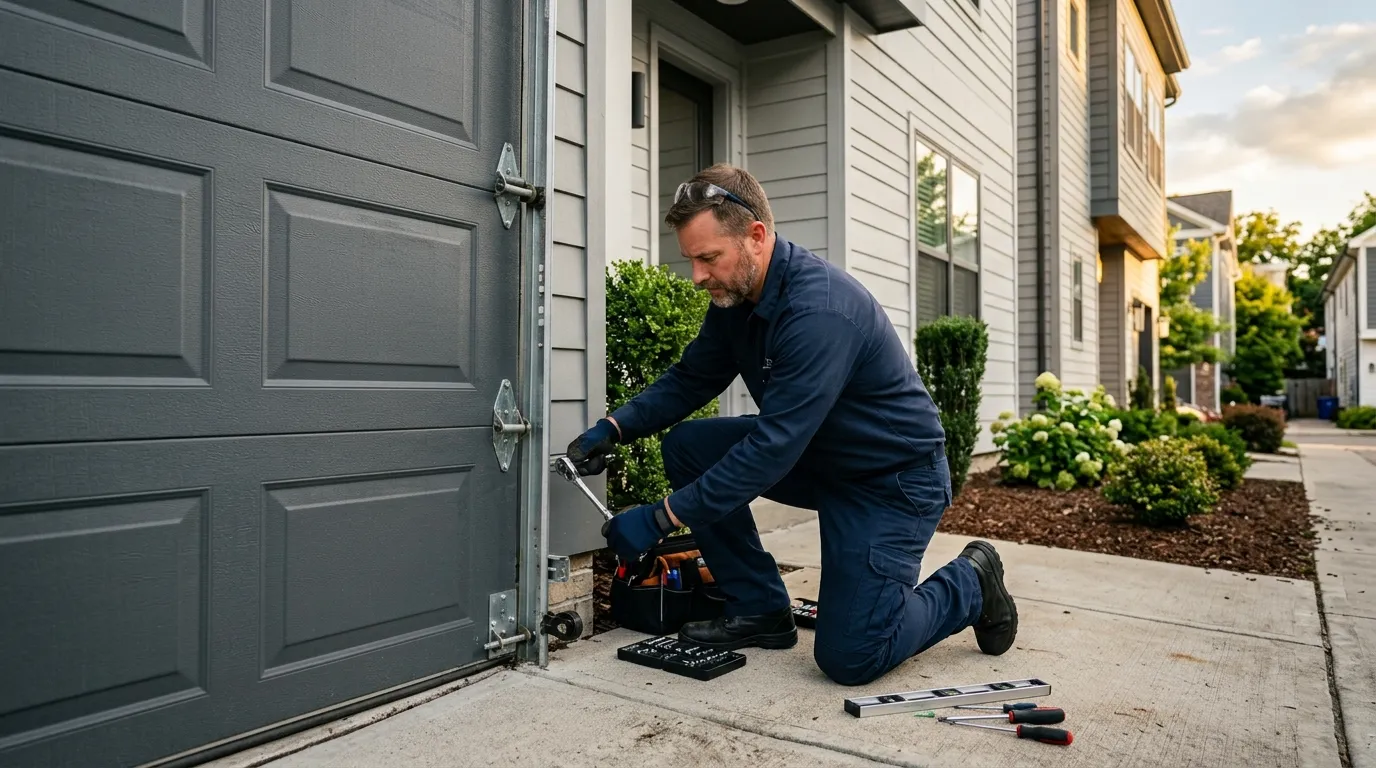
A look at jobs our crew has been on nearby.
Why Pacifica Calls Us
Frequently Asked Questions
Is there a local branch in Pacifica for commercial calls
No. This company dispatches from San Francisco, about 12 miles out. The truck is loaded before it leaves for what a commercial job in this area typically needs, but there's no local yard to swing by mid-job for an uncommon part.
Why does my commercial door need a part that has to be ordered
Most commercial buildings in Pacifica went up around the mid-1960s, and some still run door widths or operator models that aren't common stock anymore. Standard springs, cable, and rollers ride on the truck. Anything sized to an older or wider commercial opening usually needs a day or two to source.
Does the mild climate here mean less wear on commercial doors
It means fewer sudden weather-driven failures, since there's no hard freeze or extreme heat cycling the hardware. It doesn't mean no wear. Steady damp air still works on unprotected steel and springs over years, so cycle-based wear still adds up on a door that runs many times a day.
Should I repair or replace an older commercial door here
If the track and hardware date back close to the building's original mid-1960s install and the door has been resized or swapped since without matching the track, another patch repair often fails again within a year. At that point a full replacement is usually the more honest and cheaper answer over time.
Need Commercial Garage Door in Pacifica?
Call now for straight answers on cost and timing.