
San Francisco, CA
Spring Repair in Pacifica
Spring Repair for Pacifica's 1960s Garage Doors
Torsion spring repair for Pacifica's 1966-era houses, serviced from San Francisco 12 miles out. We carry the shaft and drum sizes this stock actually needs.
- Licensed & Insured
- Same-Area Service Calls
- Upfront Pricing
What Happens When You Call
-
1
Call or Request a Quote
Tell us what the door is doing and roughly how old the house is - that alone points us toward the likely part before a truck leaves.
-
2
On-Site Diagnosis
A tech checks the spring, cables, tracks, and opener in person and tells you plainly what is actually wrong.
-
3
Straight Price, No Surprises
You get a number before any work starts. It covers parts and labor, nothing added after the fact.
-
4
Fixed the Same Visit
Most repairs are done in one trip. If a part needs sourcing, we tell you that upfront instead of guessing.
Stocked Parts
Pacifica's median home was built in 1966, which puts most garage doors here on torsion hardware from that same window: 1-3/4 inch shaft, standard-wind drums, and springs wound for a single 16-foot door rather than the twin 8-footers you see in newer subdivisions. We carry that shaft diameter and the common wire gauges that match it, because it's what shows up on nearly every call in this part of the service area.
What we don't carry on the truck is anything custom-wound for a door that's been modified over the decades - an owner-added insulation kit that changed the door's weight, or a replacement panel from a different manufacturer than the original spring was sized for. Those jobs need a spring cut and wound to match the door as it sits now, not as it left the factory in 1966, and that can mean a short order delay rather than a same-visit fix.
We travel to Pacifica from San Francisco, 12 miles in, so the truck is stocked before we leave rather than restocked mid-route. That's part of why matching the common shaft size matters - it's the difference between one trip and two.
Why It Happens Here
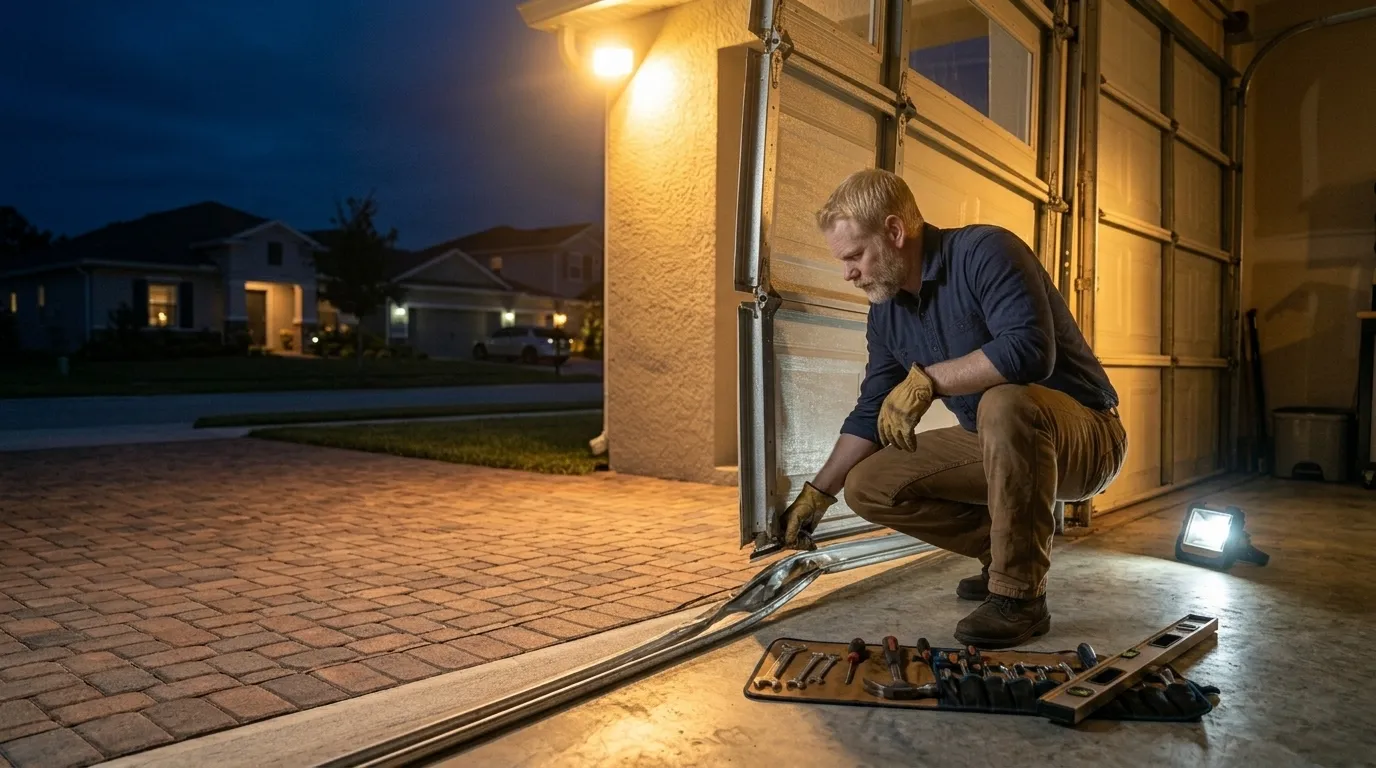
A torsion spring is rated for a cycle count, and a door built when Pacifica's housing stock went up - mostly through the 1960s and 70s - has had close to sixty years to use those cycles up, even on a door that's never been touched otherwise. That's the fault we see most on these streets: not damage, just a spring that's reached the end of what it was wound to do.
The mild temperate climate here doesn't add the rust and corrosion problems you'd get somewhere with hard freezes or heavy humidity swings, so springs in Pacifica tend to fail from fatigue rather than from a coil that's seized up or corroded through. That's a cleaner failure - the coil snaps at a stress point - but it still happens without warning, usually on the door's next full cycle after the spring's last good one.
With 13,969 households in Pacifica and most of that housing dating to the same construction era, a lot of doors are aging out of their springs at close to the same time. If your neighbor's spring went last year and yours is the same age house, don't be surprised if yours is next.
What You Are Seeing
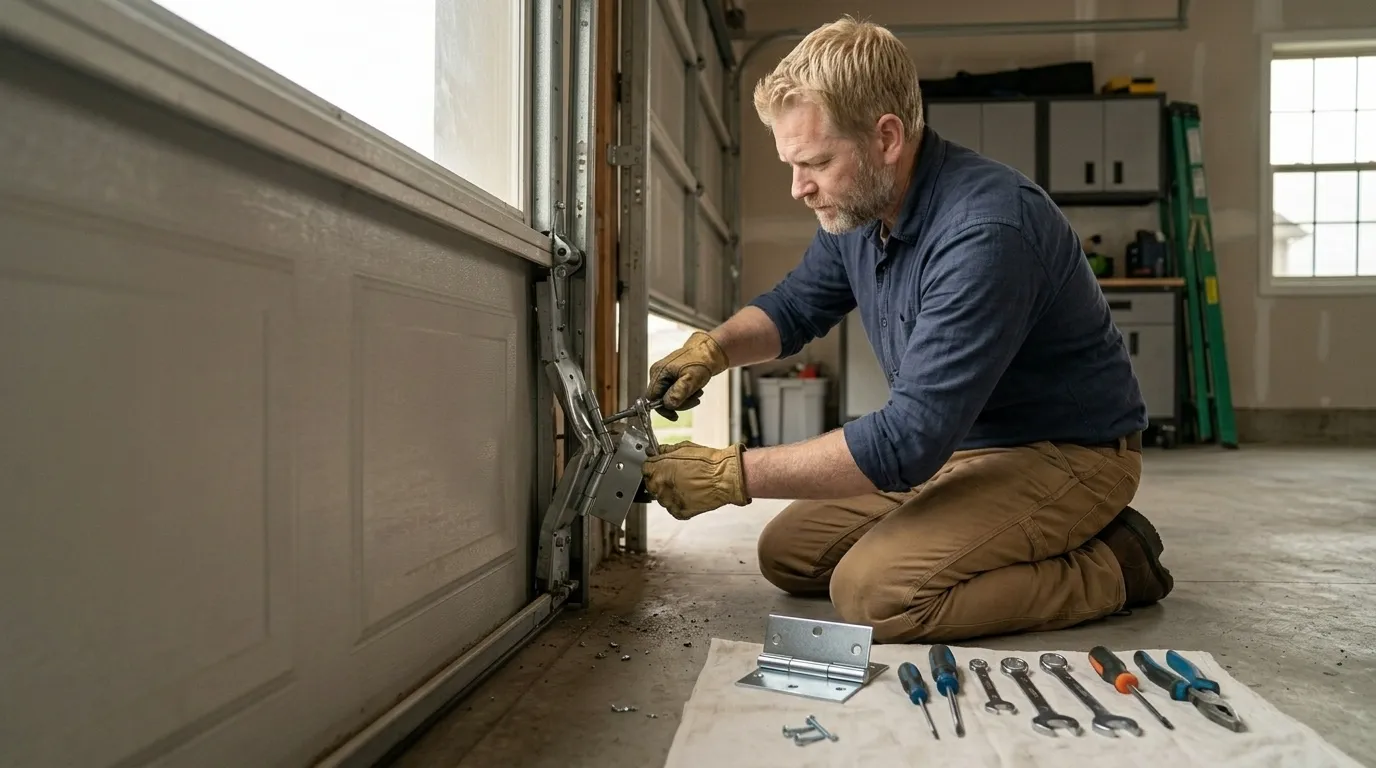
The clearest sign is a door that won't lift, or lifts only partway and stalls - that's usually a torsion spring that's already broken, not one that's about to. Look up at the spring above the door: a visible gap in the coil means it's done, full stop, and the opener should not be run again until it's replaced, because the opener isn't built to lift the door's full weight alone.
A second pattern shows up before the full break: a door that feels heavier than it used to when you lift it by hand with the opener disconnected, or a loud bang from the garage that turns out to be the spring letting go on its own. Given the age of the housing stock here, we treat that bang as the spring finishing a job it's been failing at for a while, not a one-off event.
What you're less likely to see in Pacifica, thanks to the mild climate, is a spring rusted solid or seized in place - that's more of an issue in places with real winters. Here it's wear, not weather, doing the damage.
What the Repair Takes
A standard torsion spring swap on a door matching Pacifica's common 1960s-era hardware is a single-visit job: we disconnect the opener, unwind and remove the old spring, install a matched pair sized to the door's weight and cycle life, and test the balance by hand before reconnecting power. Doors from this era are usually single-panel or an early sectional style, and either way the shaft and drum setup is straightforward to work on.
We always replace torsion springs in pairs even when only one has broken. The second spring is carrying the same cycle count and the same age, and it's close enough behind the first to make a return trip likely if we leave it in.
The one thing that slows a job down here is a door that's been non-standard modified - a heavier insulated retrofit, a custom width, or hardware swapped in from a different system. That's not a Pacifica-specific problem, but with housing this age it comes up often enough to mention: if your door doesn't match the common setup, expect us to quote the part before we order it, not after.
Talk to a Pacifica Technician First
Describe what the door is doing and get a straight answer on what it likely needs.
Other Garage Door Services in Pacifica
Recent Work in Pacifica
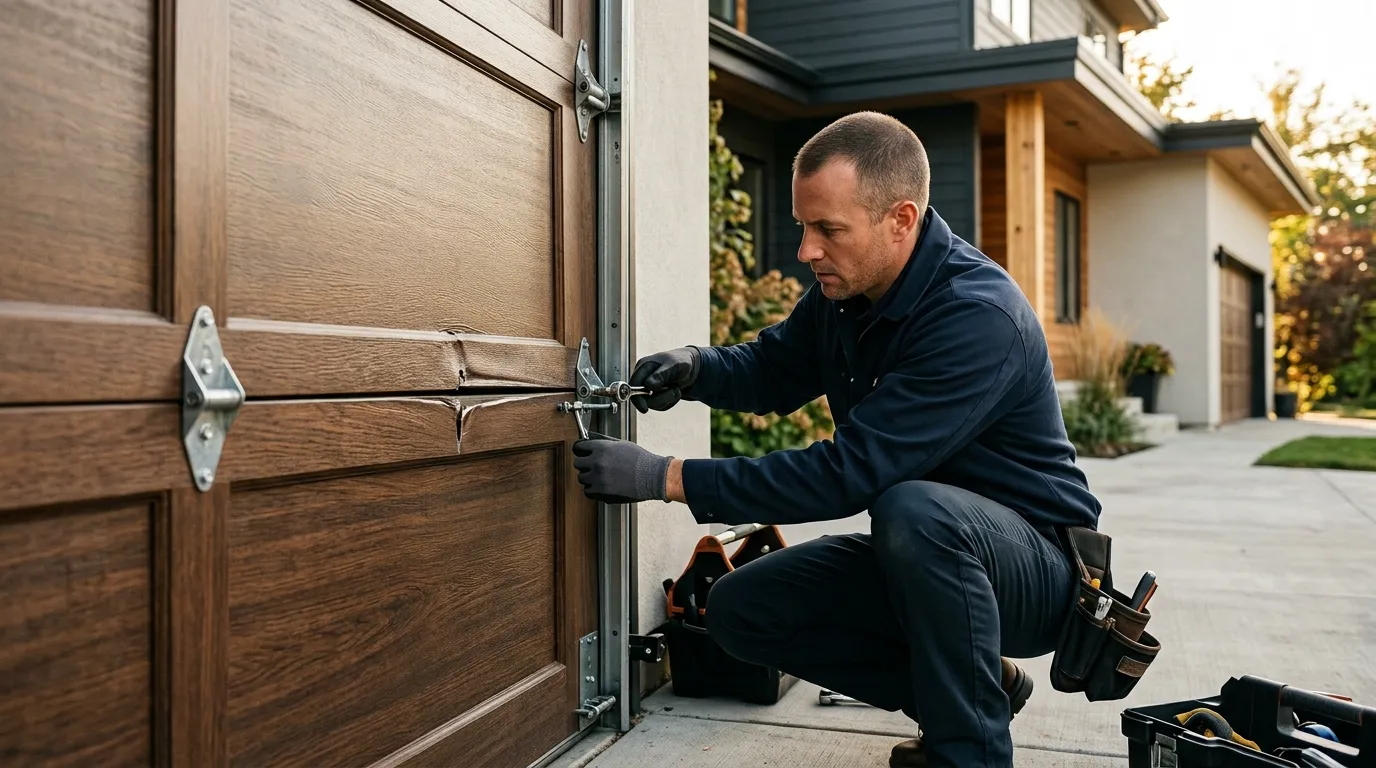
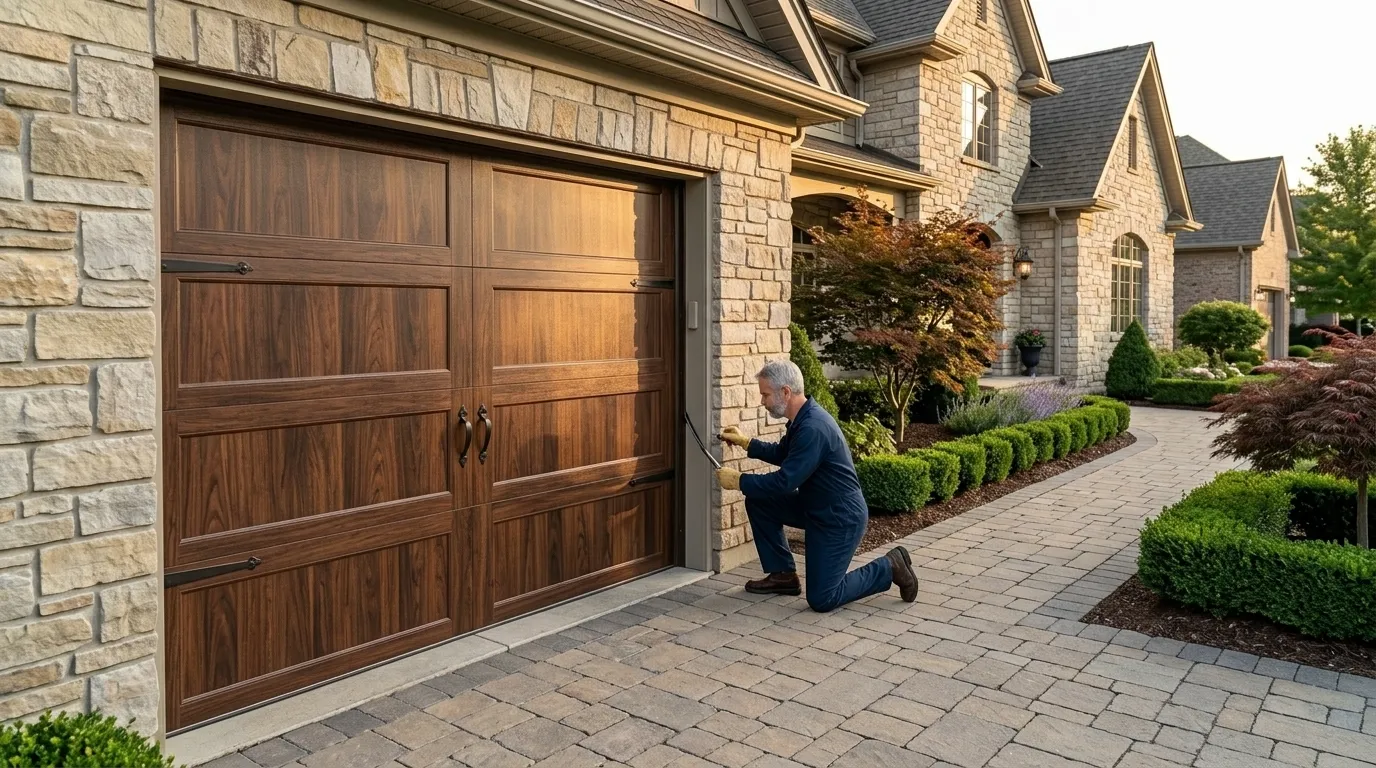
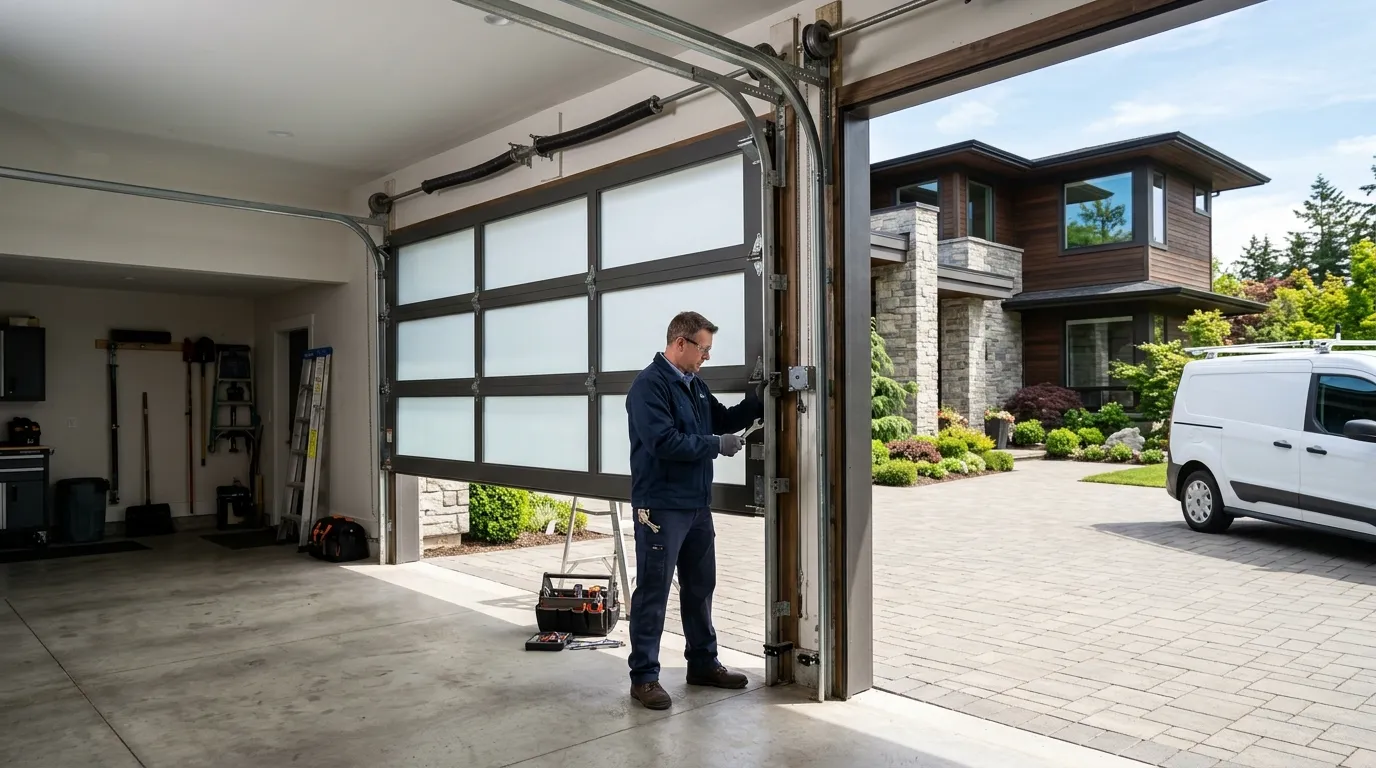
A look at jobs our crew has been on nearby.
Why Pacifica Calls Us
Frequently Asked Questions
How old does a garage door spring usually get before it breaks in Pacifica?
Most of the doors we service in Pacifica are on hardware from the 1960s or 70s, matching the neighborhood's median build year of 1966. A torsion spring is rated by cycle count, not calendar years, but on a door that age, the spring has almost always used up its rated life regardless of how well the door was maintained.
Does Pacifica's coastal weather affect spring failure?
The mild temperate climate here means less rust and corrosion damage compared to areas with hard winters, so springs in Pacifica typically fail from ordinary fatigue rather than a seized or corroded coil. The break is usually clean and sudden rather than a slow seize-up.
Do you keep a truck stocked in Pacifica?
No. We travel to Pacifica from San Francisco, about 12 miles out, and stock the truck before the trip based on the job. Common shaft and spring sizes that match the area's 1960s-era housing stock are carried as standard; anything custom may need a short parts order.
Why replace both springs if only one broke?
On a door with two torsion springs, both were installed at the same time and have absorbed the same number of cycles. If one has broken from age, the other is close behind it. Replacing only one usually means a second service call within a short stretch, so we replace both in the same visit.
Need Spring Repair in Pacifica?
Call now for straight answers on cost and timing.