
San Francisco, CA
Roller Replacement in Pacifica
Roller Replacement for Pacifica's Mid-1960s Garage Doors
Pacifica's houses date mostly from the mid-1960s, older than the citywide median. We stock the roller sizes those original tracks actually need, and travel from San Francisco to fit them.
- Licensed & Insured
- Same-Area Service Calls
- Upfront Pricing
What Happens When You Call
-
1
Call or Request a Quote
Tell us what the door is doing and roughly how old the house is - that alone points us toward the likely part before a truck leaves.
-
2
On-Site Diagnosis
A tech checks the spring, cables, tracks, and opener in person and tells you plainly what is actually wrong.
-
3
Straight Price, No Surprises
You get a number before any work starts. It covers parts and labor, nothing added after the fact.
-
4
Fixed the Same Visit
Most repairs are done in one trip. If a part needs sourcing, we tell you that upfront instead of guessing.
Stocked Parts
Pacifica's housing stock centers on 1966, a few years newer than the 1962 median across the wider service area, but that still means original mid-century track widths on a lot of these doors. We carry both 7-ball and 10-ball nylon rollers in the stem lengths that fit those narrower steel tracks, along with the sealed ball-bearing versions homeowners ask for when they want quieter operation than the door had from new.
We also stock standard 4-inch stem rollers for the wider tracks that came in on later replacement doors, since not every door here is still running its original hardware. What we don't carry on the truck is every obsolete bracket or hinge pattern from a door that's been discontinued for decades - if your track hardware itself is a mismatch, that sometimes means sourcing a part before we can finish the job, and we'll tell you that up front rather than force a fit.
Why It Happens Here
A door built in the mid-1960s has had roughly sixty years of daily cycles on its original rollers, and nylon wears out well before the springs or the opener does. The service area overall spans housing from 1938 to 1988, but Pacifica sits later in that range, at a median build year of 1966, which usually means slightly wider tracks than the 1940s stock elsewhere but the same worn-roller problem after decades of use.
The mild temperate climate here doesn't rust the tracks the way a harsher climate would, so when a door starts binding it's almost always wear, not corrosion. With about 13,969 households in Pacifica, most sitting in that same mid-1960s construction window, we see the same failure pattern repeat: rollers worn oval, chipped nylon, or bearings seized from decades without lubrication.
What You Are Seeing
The most common sign is a grinding or rattling sound as the door travels, especially near the top of the track where the roller carries more load. Some doors start to hang crooked, catching on one side of the track before the other, which usually means one or two rollers have worn down more than the rest. If the door jumps or shudders at the same spot every time it opens, that's often a roller that's cracked enough to hit the track seam unevenly rather than roll through it.
A door that pops off the track entirely on one side is usually further along - worn rollers combined with a bent track section, not a roller problem alone. None of these symptoms mean the springs are the problem, though a bad roller can eventually strain a cable if left long enough.
What the Repair Takes
Roller replacement on a standard residential door usually means pulling the door down, releasing tension on the section by section, and swapping each roller with the door supported so the panels don't shift out of alignment. On a two-car door that's ten to twelve rollers depending on panel count.
If the track itself is bent or the roller has been grinding a groove into the rail, we'll flag that separately - a new roller in a damaged track just fails again in a few months, and replacing rollers without fixing the track isn't a repair worth billing for. We travel out from San Francisco for this work, so if you're in Pacifica the full repair page covers what else we handle here beyond rollers, and our roller replacement page for San Francisco covers the same service for the older housing stock closer to the city itself.
Talk to a Pacifica Technician First
Describe what the door is doing and get a straight answer on what it likely needs.
Other Garage Door Services in Pacifica
Recent Work in Pacifica
A look at jobs our crew has been on nearby.
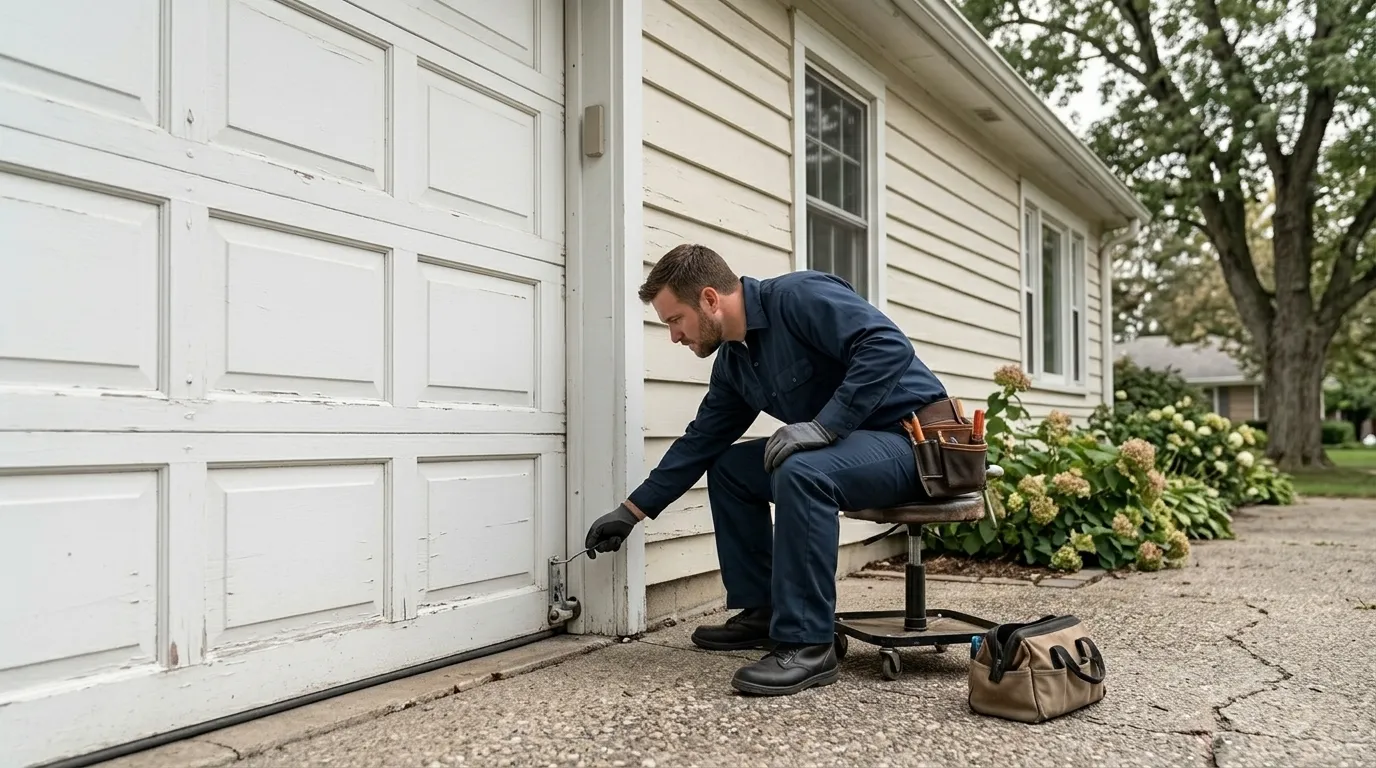
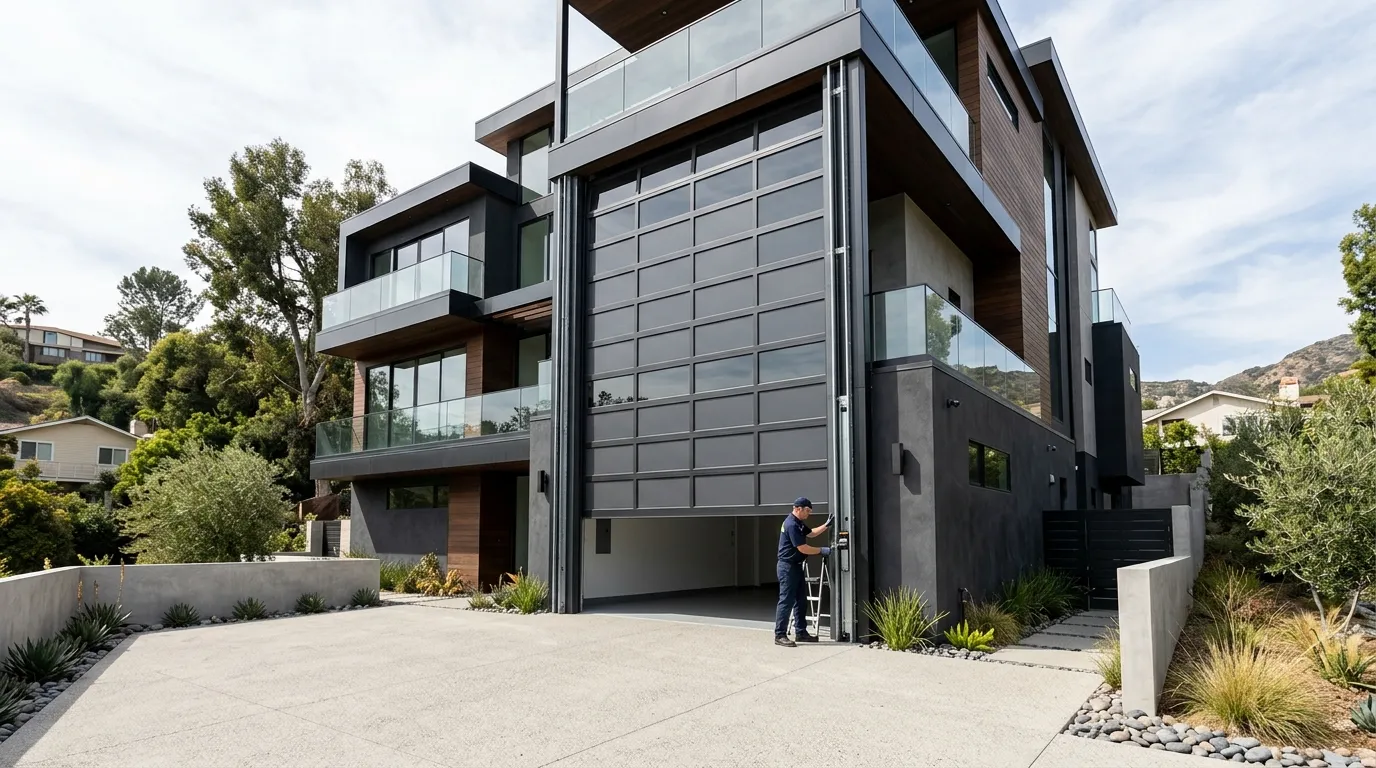
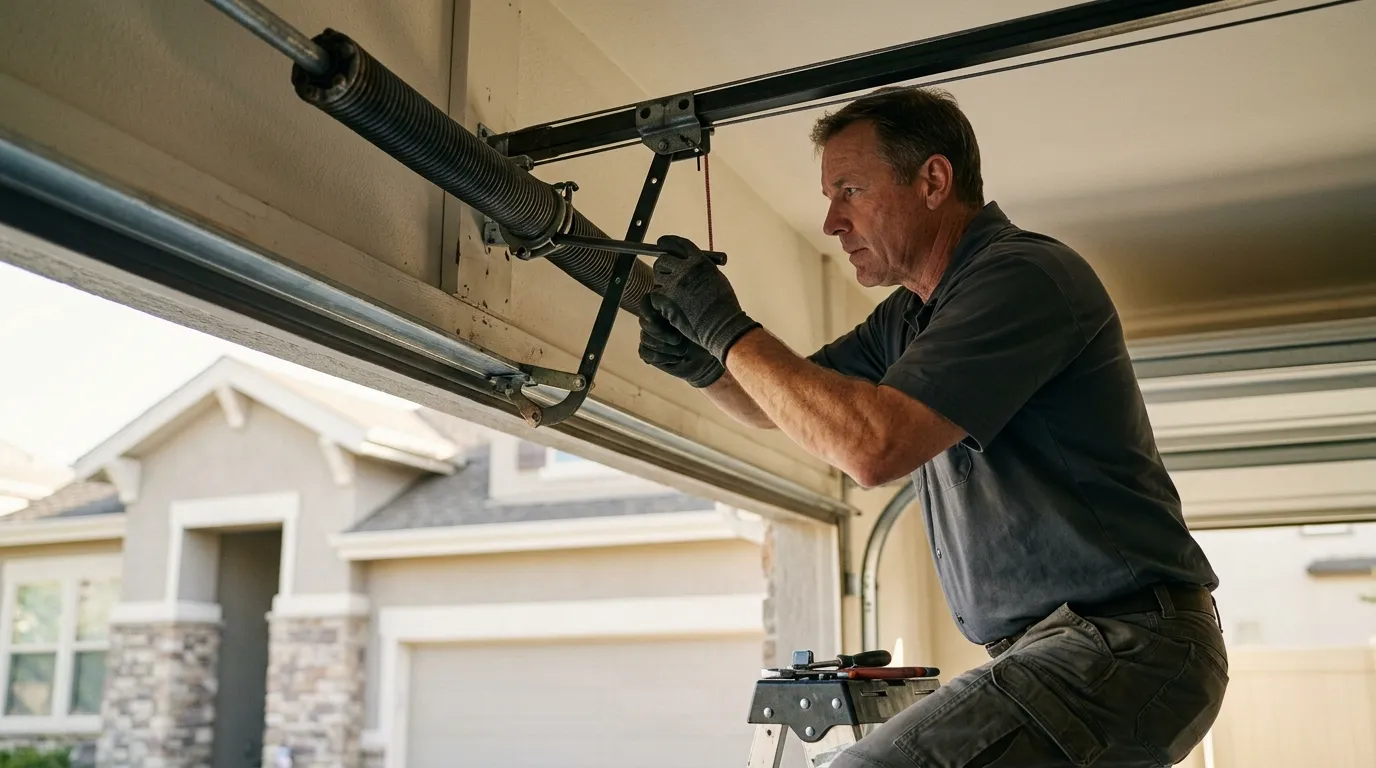
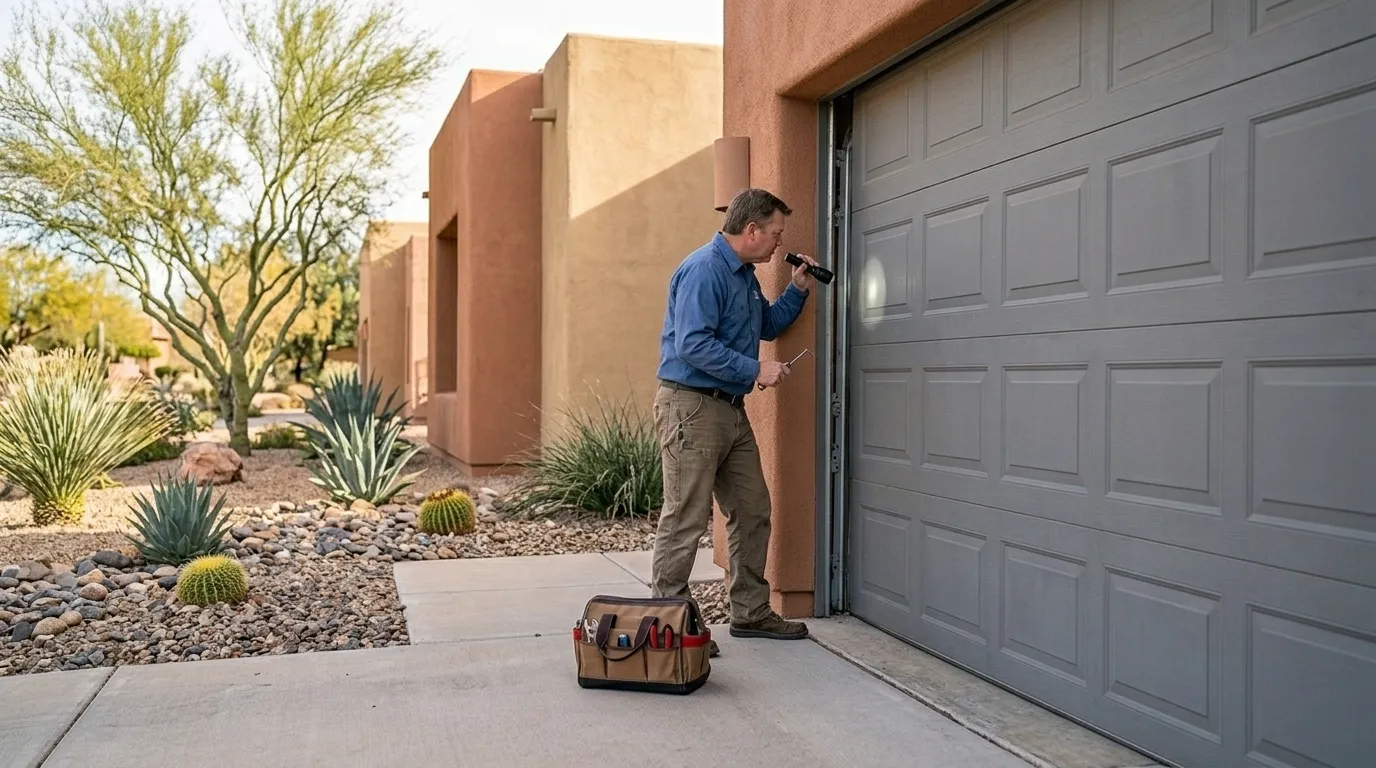
Why Pacifica Calls Us
Frequently Asked Questions
How old does a door have to be before the rollers just need replacing outright?
There's no fixed age, but with Pacifica's housing running a median build year of 1966, most original rollers are decades past their expected life. If you're hearing grinding or seeing uneven travel on a door that old, replacement is usually cheaper and more reliable than trying to nurse the original rollers further.
Do you carry roller parts on the truck or do you need to order them?
We stock the common nylon and ball-bearing roller sizes used on both older narrow-track doors and newer wide-track replacements, since Pacifica has a mix of both. If your track hardware is unusual or the bracket pattern is discontinued, that can mean a short wait to source the right part.
Is a noisy door always a roller problem?
Not always. Grinding near the top of the track is usually rollers, but rattling from the opener or a loose hinge can sound similar. If the door also feels heavy to lift by hand, that points toward the springs, which is a separate repair from roller replacement.
Need Roller Replacement in Pacifica?
Call now for straight answers on cost and timing.