
San Francisco, CA
Garage Door Repair in Pacifica
Garage Door Repair for Pacifica's 1966-Era Houses
Pacifica homes date to a 1966 median build year, 12 miles from San Francisco. We fix the original torsion springs, tracks, and openers still running in these houses.
- Licensed & Insured
- Same-Area Service Calls
- Upfront Pricing
What Happens When You Call
-
1
Call or Request a Quote
Tell us what the door is doing and roughly how old the house is - that alone points us toward the likely part before a truck leaves.
-
2
On-Site Diagnosis
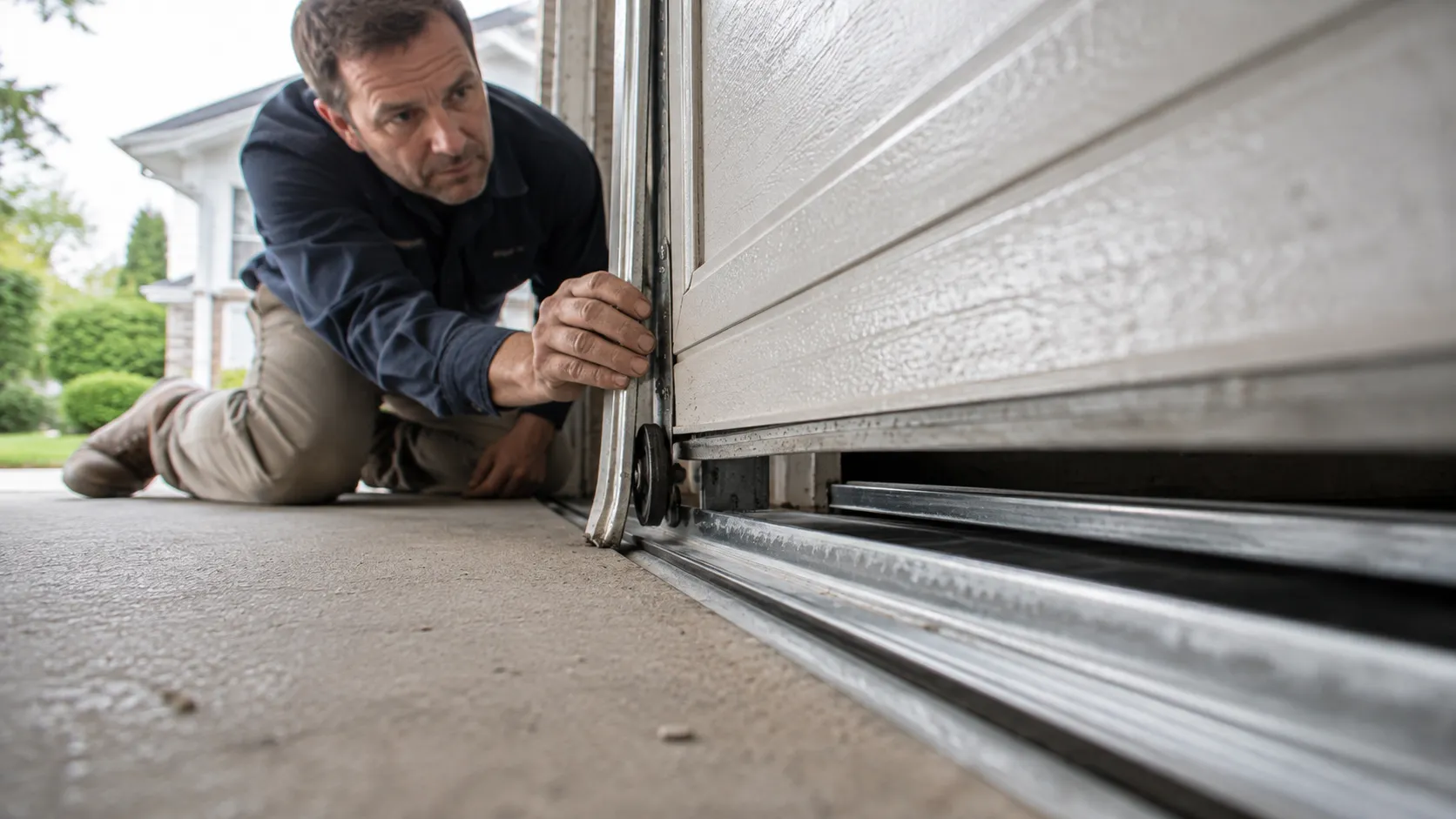
A tech checks the spring, cables, tracks, and opener in person and tells you plainly what is actually wrong.
-
3
Straight Price, No Surprises
You get a number before any work starts. It covers parts and labor, nothing added after the fact.
-
4
Fixed the Same Visit
Most repairs are done in one trip. If a part needs sourcing, we tell you that upfront instead of guessing.
Stocked Parts
Pacifica sits 12 miles from San Francisco, and the median house here went up in 1966 - square in the middle of the 1938-1988 build window across the wider service area. That matters more than the mileage. A door installed the year the house was framed has had roughly six decades to wear out its rollers, but plenty of these garages still run the original torsion spring and the original track, because nobody ever had a reason to swap them until they broke.
We carry torsion springs sized for the door widths common to 1960s construction, plus the drums and shafts that pair with them. Standard-lift extension springs from the same era show up less often here than torsion setups, but we keep both on the truck. Rollers, end bearing plates, and the flat steel brackets that hold a 1966-era track to the jamb are the parts that fail first and the parts we replace most.
What we don't stock is anything custom-milled - if a panel was cut to fit a nonstandard opening back when the house was built, that panel has to be sourced or the whole door replaced, and we'll tell you which makes sense before you pay for either.
Why It Happens Here
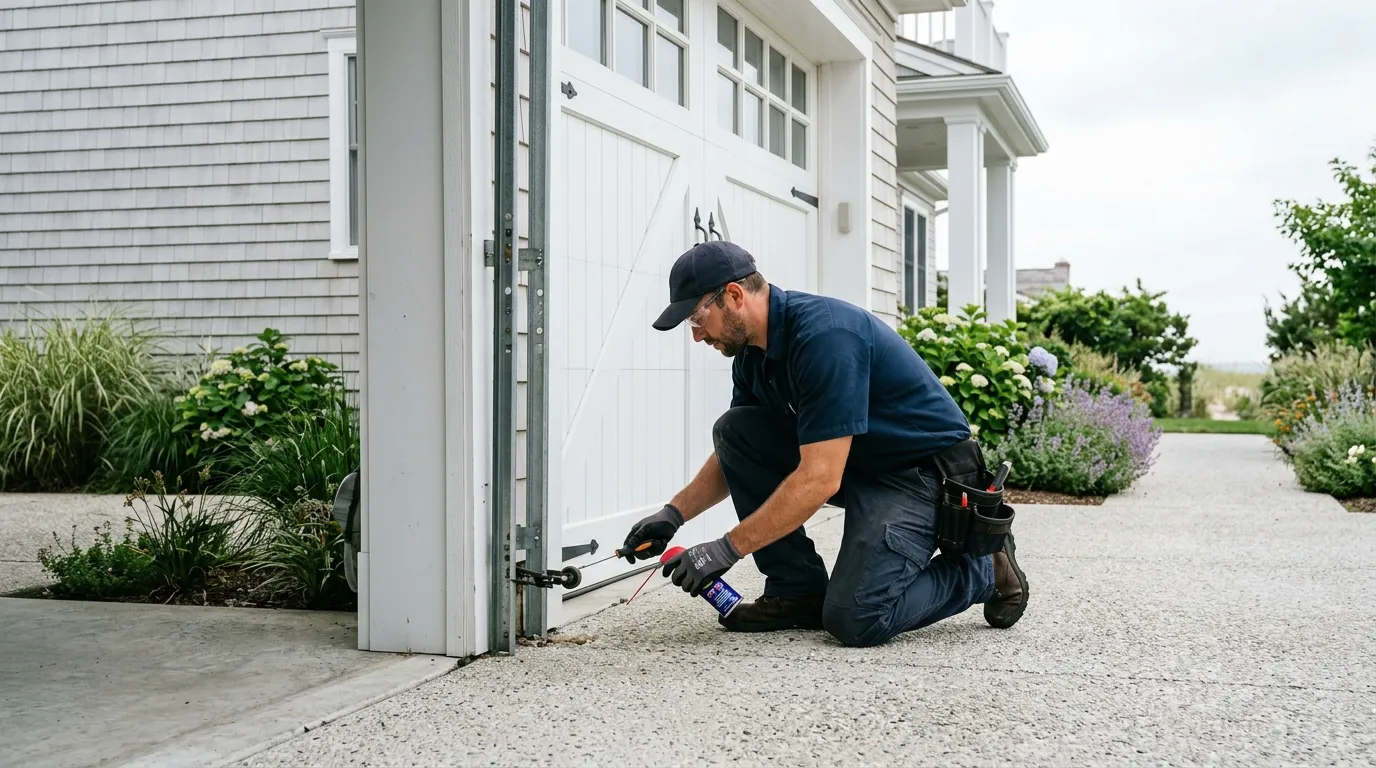
A mild coastal climate is generally kind to steel and springs - no deep freeze-thaw cycle to work fasteners loose, no extreme heat to bake seals. But mild doesn't mean dry, and Pacifica's proximity to the coast means salt-laden air reaches garages that a house further inland wouldn't get. Combined with hardware that's been in place since 1966, that's fifty-plus years of slow surface corrosion on springs and cables that were never rated to last that long in the first place.
The other driver is simple: this is original equipment. A torsion spring has a duty cycle measured in thousands of open-close cycles, not years, but a spring installed in 1966 has almost certainly outlived several duty-cycle estimates by now regardless of how it looks. When it lets go, it usually takes a cable or a bottom bracket with it, because the whole assembly aged together.
Household income in the service area runs a median of $152,131, and Pacifica's own median is $156,819 - higher than the region, which tends to mean owners here replace an opener before it strands them rather than run it into the ground. Springs are a different story; those get replaced on failure, not on schedule.
What You Are Seeing
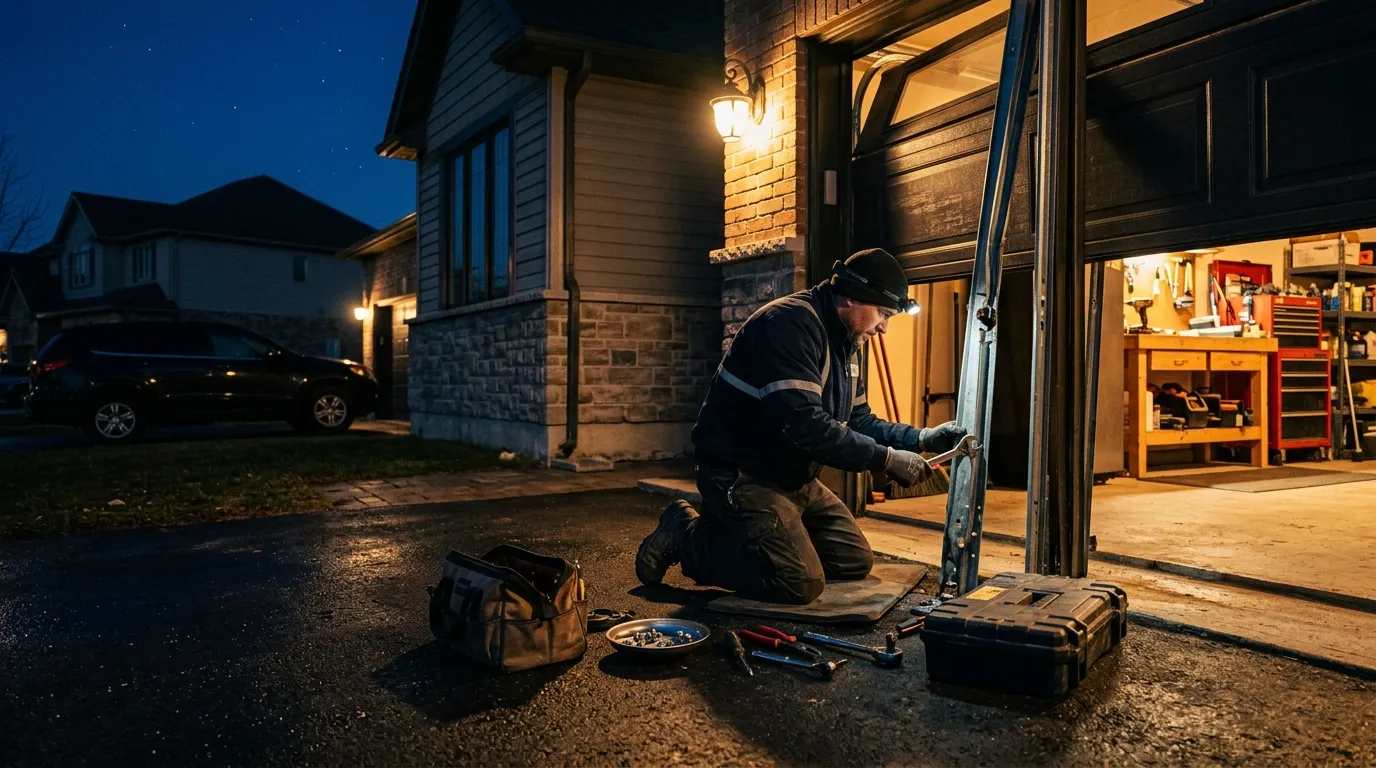
If the door is loud on the way up and drops the last few inches instead of easing down, that's a spring that's lost tension - original 1966 torsion springs going soft is one of the most common calls we get from this side of the service area. A door that won't budge at all, with the opener straining and clicking, usually means the spring already broke and the opener is trying to lift the full weight alone, which it isn't built to do.
Track that's pulled away from the wall on one side, or rollers that have worn oval instead of round, point to original hardware finally giving out rather than a new problem. Cables fraying near the bottom bracket are common on doors this age too - the cable itself is cheap, but a frayed cable under tension is not something to keep using.
If the opener motor runs but the door doesn't move, check the drive gear inside the unit before assuming it's the door itself; that's an opener problem, not a spring or track problem, and it's a different repair.
What the Repair Takes
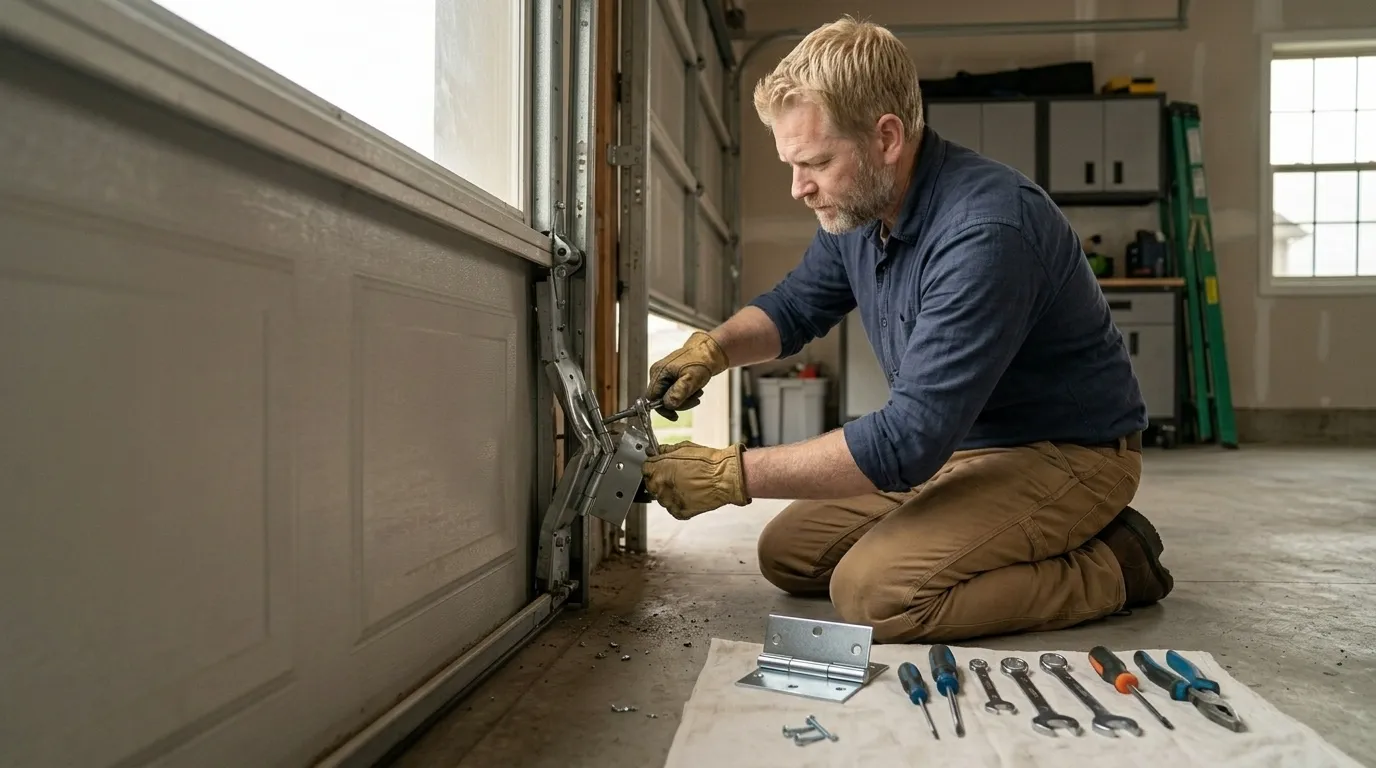
Most spring jobs on a 1966-era door are same-visit work: match the wire gauge and wind to the original, swap both springs on a double door even if only one broke (they age together and the second one is close behind), and check the drums and bearing plates while the door is open anyway. Track and roller work is similarly contained - realign or replace the section that's bent, replace rollers in full sets rather than one at a time so the door doesn't run unevenly.
Where it gets slower is a panel replacement on an original door. If the section is a size or style no longer made, we're looking at a sourced part or a full door swap, and we'll say that plainly rather than promise a quick fix that isn't coming. We travel to Pacifica from San Francisco for the job; there's no local branch or stocked depot in town, so we bring what the job needs on the truck based on what you describe on the call.
We don't try to rebuild an opener logic board or repair a cracked wood panel - past a certain point in a door's life, replacement is the honest answer, and we'll tell you when you've hit that point instead of running up a bill.
Talk to a Pacifica Technician First
Describe what the door is doing and get a straight answer on what it likely needs.
Other Garage Door Services in Pacifica
Recent Work in Pacifica
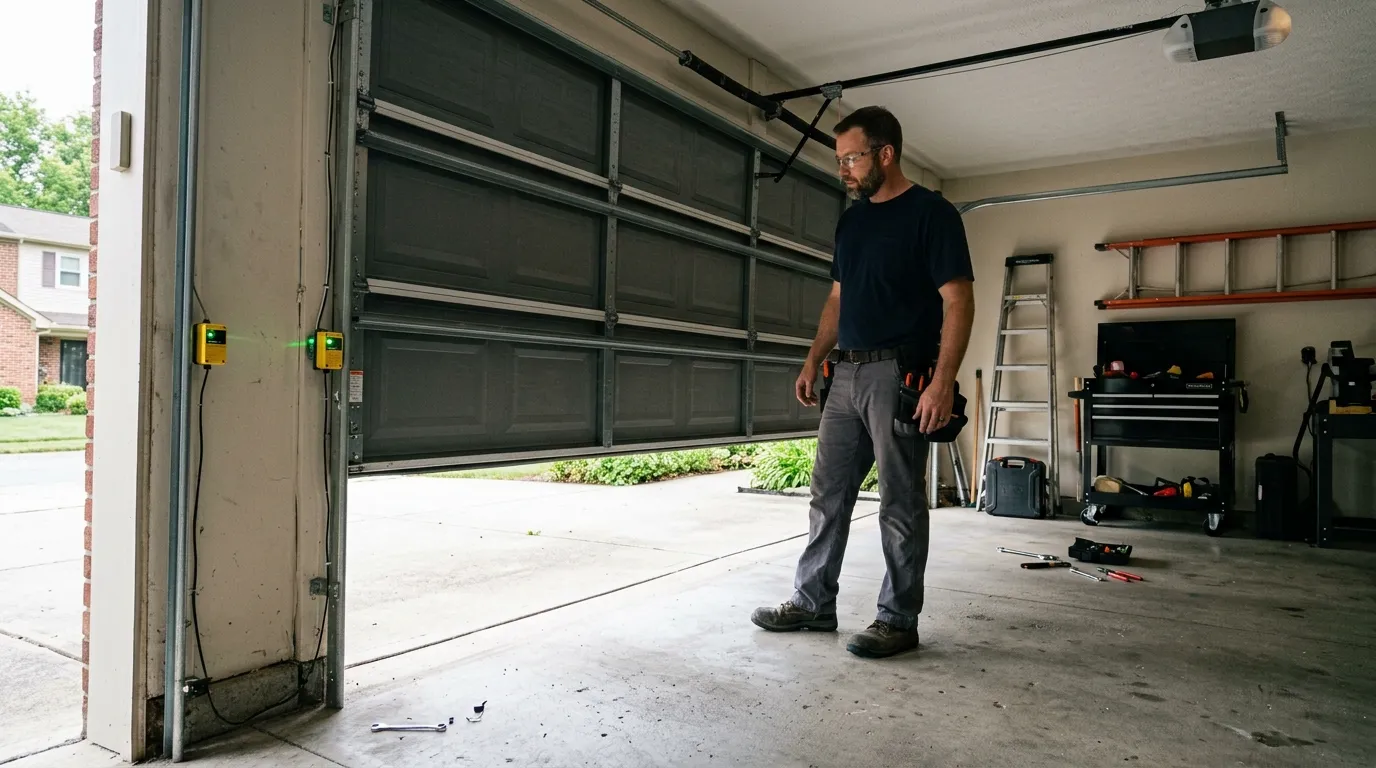
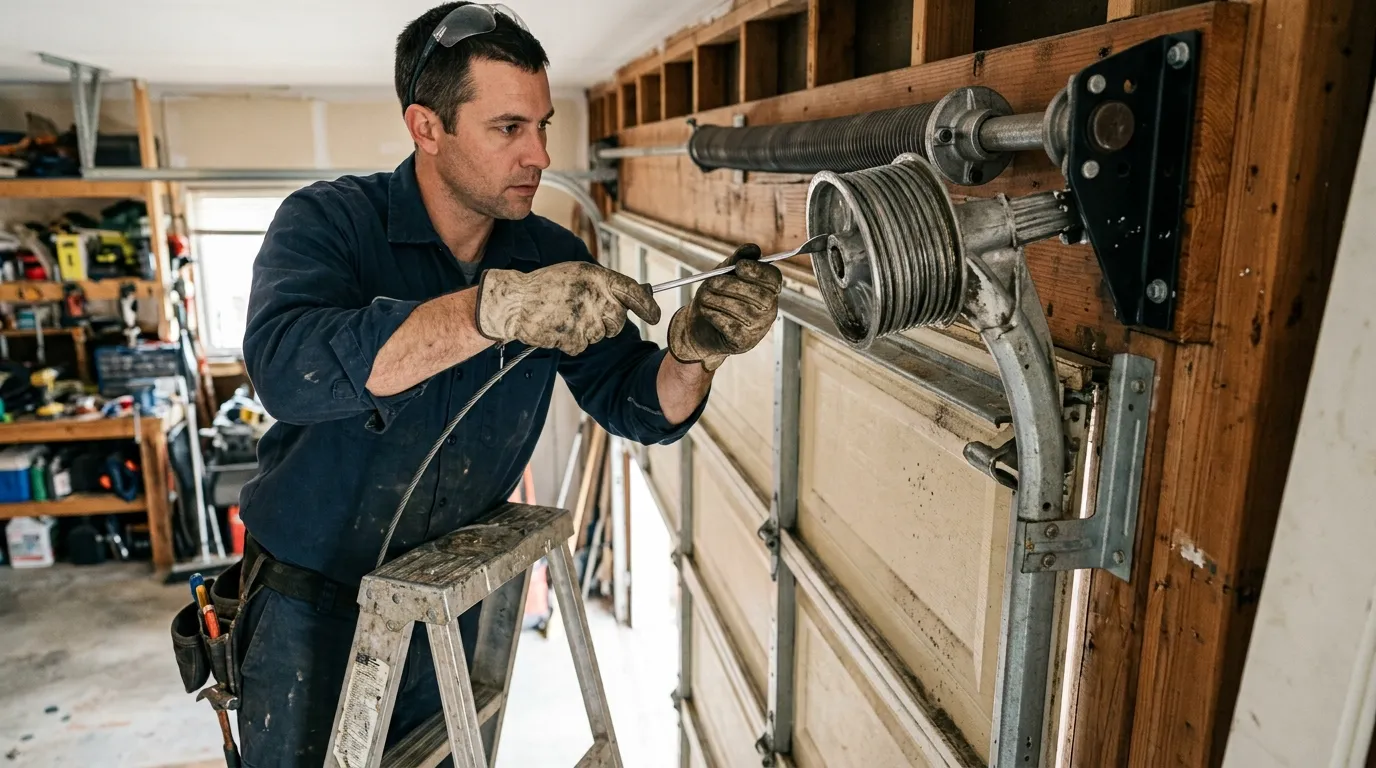
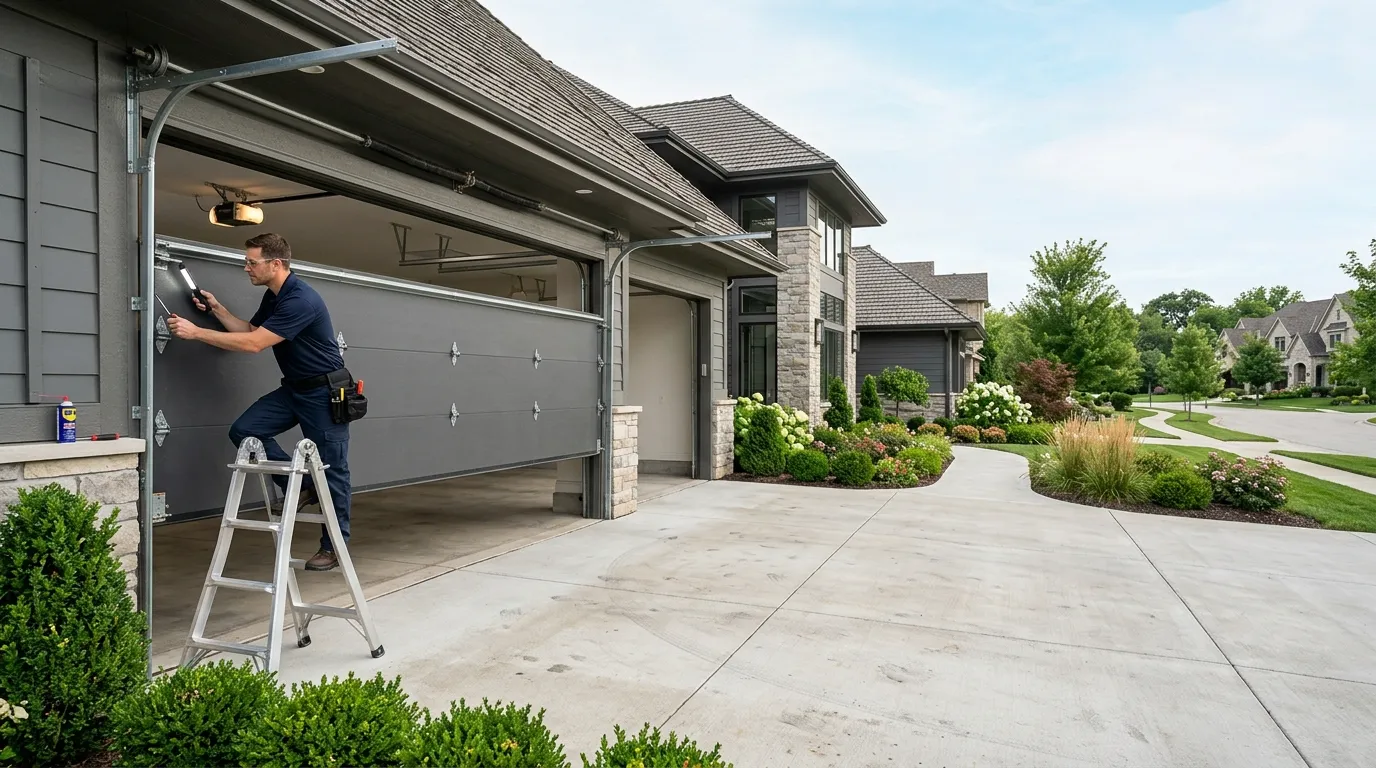
A look at jobs our crew has been on nearby.
Why Pacifica Calls Us
Frequently Asked Questions
Is my original 1966 spring dangerous to leave alone?
A worn torsion spring won't explode without warning the way people imagine, but it will eventually snap under tension, and a snapped spring can whip the cable or drop the door suddenly. If your door has gotten noticeably heavier to lift by hand, that spring is near the end and worth replacing before it fails on its own schedule.
Do you keep parts in stock for older Pacifica garages?
We stock torsion springs, drums, rollers, and brackets sized for the 1960s-70s construction common across the service area, which covers most of what fails in a house built around 1966. Custom or discontinued panels have to be sourced separately, and we'll tell you upfront if that's what your door needs.
How far out do you travel for a Pacifica repair?
We come from San Francisco, about 12 miles away. There's no local branch in Pacifica, so the truck is stocked based on what you describe when you call - that's why a clear description of the noise or the way the door is failing helps us bring the right parts the first time.
Need Garage Door Repair in Pacifica?
Call now for straight answers on cost and timing.